
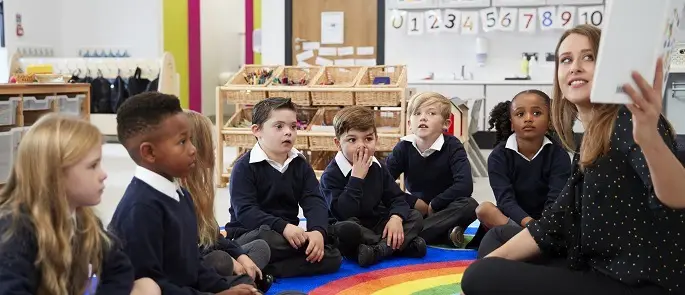
How Classroom Rules Shape Learning, Encourage Positive Student Behaviour, Improve Academic Performance, and Create a Safe and Supportive Learning Environment
Classroom rules are an important part of creating a positive and productive learning environment. They provide students with clear expectations about behaviour, participation, respect and responsibility. When rules are thoughtfully developed and consistently applied, they can help classrooms become places where students feel safe, focused and ready to learn.
Rules are not simply about controlling behaviour. They can influence how students interact with teachers and classmates, how much time is available for learning, and how comfortable students feel asking questions, sharing ideas and making mistakes.
What Are Classroom Rules?
Classroom rules are guidelines that explain the behaviours expected from students and, in many cases, the responsibilities of everyone in the learning environment.
Common classroom rules may include:
- Listen when someone else is speaking.
- Treat classmates and teachers with respect.
- Arrive on time and come prepared.
- Complete assignments and class activities.
- Follow safety instructions.
- Raise your hand or use an agreed method before speaking.
- Keep the classroom clean and organised.
- Use school equipment responsibly.
Effective rules should be clear, realistic and appropriate for students’ ages and learning needs.
Creating a Safe Learning Environment
One of the most important ways classroom rules shape learning is by creating a sense of safety and predictability.
Students are more likely to participate when they understand what is expected of them. Clear rules can reduce confusion and help establish boundaries around behaviour.
A respectful classroom can also make students more comfortable expressing their opinions, asking questions and admitting when they do not understand something.
When students know that bullying, disruption and disrespectful behaviour are not acceptable, the classroom can become more supportive and inclusive.
Rules Help Students Stay Focused
Learning requires attention. Frequent interruptions, unnecessary conversations and disruptive behaviour can reduce the amount of time available for teaching and learning.
Well-established classroom expectations help minimise avoidable disruptions. For example, a rule requiring students to listen while instructions are being given can help lessons move more efficiently.
This does not mean classrooms need to be completely silent. Productive discussion, collaboration and questions are valuable parts of learning. The purpose of rules should be to support meaningful participation rather than prevent students from communicating.
Encouraging Respect and Cooperation
Classroom rules can teach students how to work with people who may have different personalities, opinions, backgrounds and learning styles.
Rules about listening, sharing, taking turns and treating others respectfully encourage students to recognise that their behaviour affects the wider classroom community.
These expectations can also support group activities. When students understand how to cooperate and communicate respectfully, collaborative tasks can become more productive.
Developing Responsibility
Good classroom rules can help students develop a sense of personal responsibility.
For example, expectations around completing assignments, bringing learning materials and maintaining the classroom encourage students to take ownership of their education.
Teachers can also involve students in discussions about classroom expectations. Giving students an opportunity to contribute can help them understand why rules exist rather than viewing them simply as instructions imposed by an authority figure.
Supporting Different Learning Needs
Not every student learns in exactly the same way. Some students may need additional support with attention, communication, organisation or other aspects of classroom participation.
For this reason, classroom rules should be applied fairly while allowing reasonable flexibility when appropriate.
Teachers can explain expectations clearly, provide reminders and use supportive strategies when students struggle to meet them. The goal should be to help students succeed rather than simply punish mistakes.
Consistency Matters
Rules are most effective when students understand that they will be applied consistently.
If the same behaviour receives completely different responses depending on the student or situation, students may perceive the classroom as unfair. Consistency can help build trust and make expectations easier to understand.
At the same time, consistency does not necessarily mean treating every situation identically. Teachers may need to consider context, individual circumstances and the seriousness of the behaviour when responding to incidents.
Positive Rules Can Encourage Better Behaviour
Classroom rules do not always need to focus on what students must not do.
Positive expectations can communicate the behaviour teachers want to see. Instead of focusing entirely on prohibitions, teachers can use statements such as:
- Respect everyone in the classroom.
- Be ready to learn.
- Listen actively.
- Ask questions when you need help.
- Take responsibility for your work.
- Encourage your classmates.
Positive language can make classroom expectations easier to understand and reinforce the idea that students are active participants in creating a good learning environment.
The Role of Teachers
Teachers play a central role in establishing and maintaining classroom rules.
They can introduce expectations at the beginning of a school term, explain the reasons behind them and demonstrate the behaviour they expect from students.
Teachers can also review rules when circumstances change. A rule that works well for one class may need to be adjusted for another group or age level.
Most importantly, teachers can model respect, patience, fairness and responsibility. Students often learn not only from what teachers say but also from how teachers behave.
What Happens When Rules Are Ignored?
When classroom expectations are unclear or frequently ignored, several challenges can arise.
Disruptive behaviour may take up valuable lesson time, students may find it harder to concentrate, and conflicts between classmates can become more common. Over time, this may affect the overall classroom atmosphere.
However, simply adding more rules does not necessarily solve these problems. Too many complicated rules can be difficult for students to remember and may create unnecessary restrictions.
The focus should be on a manageable set of clear expectations that directly support learning and positive relationships.
Classroom Rules and Academic Achievement
Classroom rules do not automatically guarantee higher academic performance. Academic achievement is influenced by many factors, including teaching quality, resources, student motivation, family circumstances, school environment and individual learning needs.
However, effective classroom management can create conditions that make learning easier. When students spend less time dealing with avoidable disruptions and more time engaged with meaningful activities, teachers have more opportunities to teach and students have more opportunities to learn.
Conclusion
Classroom rules are more than a list of instructions displayed on a wall. They help establish the environment in which learning takes place.
Clear, fair and consistent expectations can promote safety, respect, concentration, cooperation and responsibility. When teachers combine appropriate rules with positive relationships and supportive teaching practices, students can have a stronger foundation for participation and learning.
Ultimately, the most effective classroom rules are those that do more than control behaviour — they help students understand how their actions contribute to a respectful, productive and successful learning community.
Join Naija UK Connect
Stay updated with the latest UK visa sponsorship jobs, relocation opportunities, and career guides tailored for Nigerians through Naija UK Connect.
Join here: Naija UK Channel
Also, follow us on our social media channels for the latest updates and discussions:
Twitter: @NaijaUKConnect
Facebook: Naija UK Connect
Instagram: @naijaukconnect