THE IMPORTANCE OF EDUCATION IN PERSONAL DEVELOPMENT, CHARACTER BUILDING, ECONOMIC GROWTH AND NATIONAL DEVELOPMENT
Student Essay
Education is one of the most important aspects of human life. It is the process through which people acquire knowledge, skills, values, attitudes, and experiences that help them understand themselves and the world around them. Education begins from childhood and continues throughout life. It does not only take place in schools and universities; people also learn from their families, communities, workplaces, books, technology, and everyday experiences.
Education is widely recognized as a fundamental human right and an important foundation for individual and social development. It equips people with knowledge and skills, encourages critical thinking, and helps individuals participate meaningfully in their communities.
Education Builds Knowledge and Understanding
One of the major purposes of education is to provide people with knowledge. Through education, students learn about subjects such as mathematics, science, history, geography, languages, technology, and the arts. This knowledge helps them understand how the world works and prepares them to deal with different situations in life.
Education also teaches people how to find, understand, and use information. In today’s world, where people are surrounded by information from television, social media, the internet, and other sources, the ability to think carefully and distinguish useful information from misinformation is extremely important.
An educated person is better prepared to ask questions, examine evidence, solve problems, and make informed decisions. Education therefore goes beyond memorising facts; it helps develop the mind and encourages people to become thoughtful and responsible individuals.
Education Develops Character and Good Values
Education plays an important role in shaping a person’s character. At school, students learn academic subjects, but they also learn important values such as honesty, respect, discipline, responsibility, kindness, cooperation, and tolerance.
Teachers and parents help children understand the importance of respecting other people and following rules. Students also learn how to work with others, listen to different opinions, manage disagreements, and take responsibility for their actions.
Good education therefore contributes to the development of responsible citizens. A person who understands the importance of respect, honesty, and responsibility is more likely to make positive contributions to family, community, and society.
Education Improves Communication Skills
Communication is an essential part of everyday life, and education helps people develop the ability to communicate effectively. Students learn how to read, write, speak, listen, and express their ideas clearly.
Good communication skills are important in the classroom, workplace, family, and wider society. A person who can communicate clearly is more likely to express ideas confidently, understand other people, and build positive relationships.
Education also gives students opportunities to participate in discussions, presentations, debates, group projects, and other activities that can improve their confidence and ability to express themselves.
Education Creates Career Opportunities
Education is closely connected with employment and career development. Many professions require specific academic qualifications, technical knowledge, or professional training. Doctors, teachers, engineers, accountants, lawyers, scientists, nurses, and many other professionals need education and specialised training to perform their responsibilities effectively.
Education can also help individuals develop practical and vocational skills that prepare them for employment or entrepreneurship. By acquiring relevant knowledge and skills, people can increase their ability to find work, build careers, start businesses, and become financially independent.
UNESCO notes that education can increase earning potential and contribute to economic growth, while educational attainment is associated with employment-related skills and broader social benefits.
Education Helps to Reduce Poverty
Education can play an important role in reducing poverty. When people have access to quality education, they can develop skills that improve their opportunities for employment and income generation.
A well-educated population can contribute to the productivity of a country because people are better equipped to work, create businesses, develop new ideas, and provide useful services. Education can therefore help individuals improve their living conditions and can contribute to the economic development of communities.
However, education alone cannot eliminate poverty. It works together with other factors such as employment opportunities, healthcare, infrastructure, economic policies, and access to finance. Nevertheless, education remains an important foundation for creating opportunities and improving people’s ability to participate in economic life.
Education Encourages Critical Thinking and Good Decision-Making
Another important benefit of education is that it teaches people how to think critically. Critical thinking involves examining information carefully, asking questions, considering different viewpoints, and reaching conclusions based on evidence.
This skill is useful in almost every area of life. Students need critical thinking when solving mathematical problems, conducting scientific research, reading news reports, making financial decisions, or dealing with everyday challenges.
Education also helps people understand the consequences of their decisions. Instead of simply accepting everything they hear or see, educated individuals can learn to investigate information and make more informed choices.
Education Promotes Creativity and Innovation
Education is also a powerful tool for developing creativity. Students are encouraged to ask questions, experiment, explore ideas, and find different solutions to problems.
Creativity is particularly important in a rapidly changing world. Advances in science and technology depend on people who can think differently and develop new ideas. Education provides learners with the knowledge and skills needed to participate in innovation.
Students may discover talents in areas such as science, technology, writing, music, art, sports, business, or engineering. With proper guidance and opportunities, these talents can develop into valuable skills and careers.
Education Promotes Equality
Education can help create greater opportunities for people from different backgrounds. When children have access to quality education, they have an opportunity to develop their abilities and pursue their goals regardless of their social or economic background.
Education can also contribute to greater social equality by giving disadvantaged individuals opportunities to improve their circumstances. UNESCO identifies education as an important driver of social and economic progress and emphasizes inclusive and equitable access to learning.
For this reason, every child should have a fair opportunity to attend school and receive quality education. No child should be denied education because of poverty, disability, gender, location, or other barriers.
Education Promotes National Development
The development of a country depends greatly on the quality of its human resources. A nation needs educated teachers, doctors, engineers, farmers, entrepreneurs, scientists, administrators, technicians, and other professionals to function effectively.
When citizens are educated and skilled, they can contribute to the development of their communities and country. They can create businesses, provide essential services, develop new technologies, conduct research, and contribute to economic growth.
Education also helps people understand their responsibilities as citizens. It can encourage participation in community activities, promote respect for laws and institutions, and strengthen social cooperation.
A country that invests in education is therefore investing in its future. UNESCO describes education as an important foundation for sustainable development, peace, social progress, and stronger communities.
The Role of Teachers and Schools
Schools and teachers have an important responsibility in the educational development of children and young people. Teachers do more than provide academic knowledge. They guide students, encourage them to work hard, help them discover their abilities, and teach them important values.
A good teacher can inspire a student to develop an interest in a particular subject or career. Teachers can also help students overcome difficulties and develop confidence in their abilities.
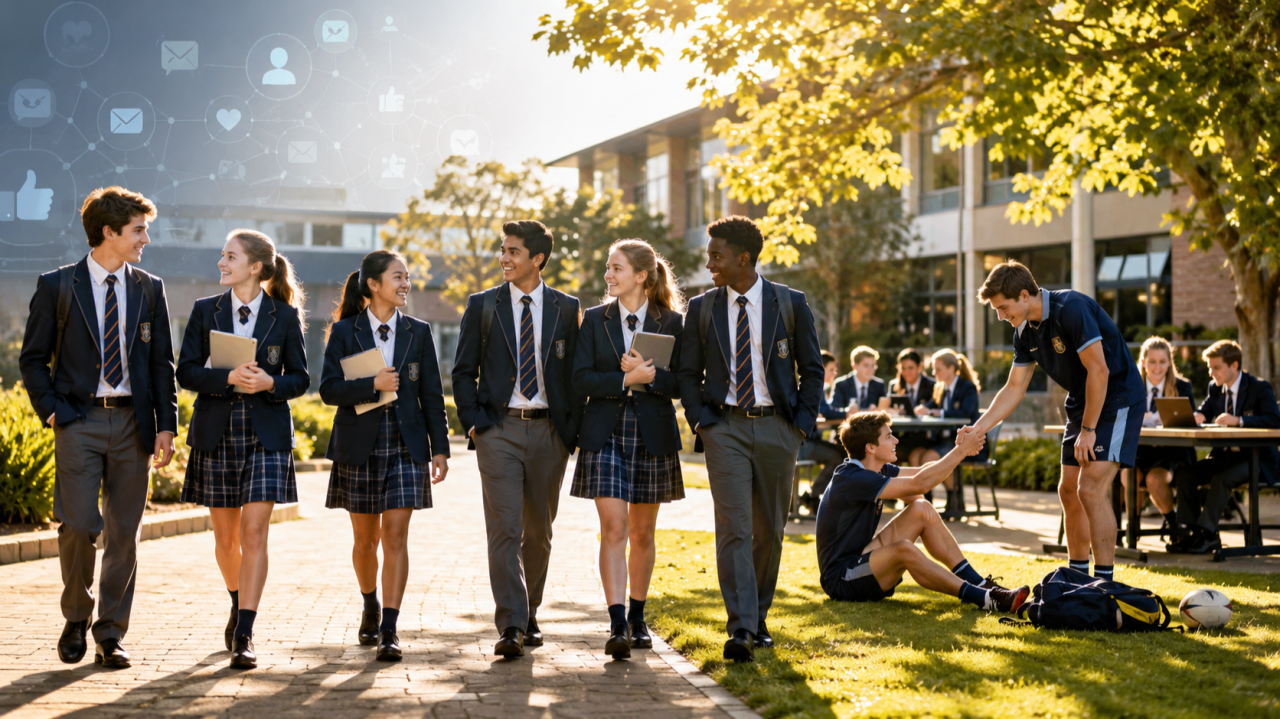
Schools provide an environment where students can learn, interact with others, participate in activities, develop friendships, and prepare for adult life. Parents and guardians also have an important role to play by supporting children’s education and encouraging positive learning habits at home.
Education and Technology
Technology has transformed the way people learn. Students can now access books, educational videos, online courses, digital libraries, and other learning resources through computers, smartphones, and other devices.
Technology can make education more accessible and provide students with opportunities to learn beyond the traditional classroom. However, technology should be used responsibly. Students need digital literacy skills to evaluate online information, protect their privacy, avoid harmful content, and use digital tools effectively.
The combination of education and technology can prepare students for a world in which digital skills are increasingly important.
Education Encourages Lifelong Learning
Education should not end when a person graduates from school or university. The world is constantly changing, and people need to continue learning throughout their lives.
Adults may need to learn new skills because of changes in technology, employment, business, or society. Lifelong learning allows people to adapt to new circumstances and continue developing personally and professionally.
A person who develops a love for learning can continue gaining knowledge through books, professional training, online courses, practical experience, and interaction with other people.
Education and the Future
The future of every society depends partly on how well it educates its young people. Children who receive quality education are better positioned to develop their talents, pursue meaningful careers, and contribute to their communities.
Education also prepares young people to face challenges such as technological change, unemployment, environmental problems, social inequality, and other issues affecting modern society. It gives them tools to understand these challenges and participate in finding solutions.
For education to achieve its full potential, access must be accompanied by quality. Schools need qualified teachers, appropriate learning materials, safe learning environments, supportive families, and opportunities for students to develop both academic and practical skills.
Conclusion
In conclusion, education is one of the strongest foundations of personal and national development. It provides knowledge, develops skills, builds character, improves communication, encourages creativity, and prepares people for employment and responsible citizenship.
Education can open doors to opportunities and help individuals become more independent and confident. It can also contribute to reducing poverty, promoting equality, strengthening communities, and supporting economic and social development.
Every child deserves the opportunity to receive quality education. Parents, teachers, communities, governments, and other stakeholders all have important roles to play in creating an environment where learners can succeed.
Education should therefore not be seen simply as a means of passing examinations. It is a lifelong process that helps people discover their potential, understand the world, solve problems, and contribute positively to society. By valuing and investing in education, individuals and communities can help create a more knowledgeable, skilled, responsible, and prosperous future.
Join Naija UK Connect
Stay updated with the latest UK visa sponsorship jobs, relocation opportunities, and career guides tailored for Nigerians through Naija UK Connect.
Join here: Naija UK Channel
Also, follow us on our social media channels for the latest updates and discussions:
Twitter: @NaijaUKConnect
Facebook: Naija UK Connect
Instagram: @naijaukconnect