
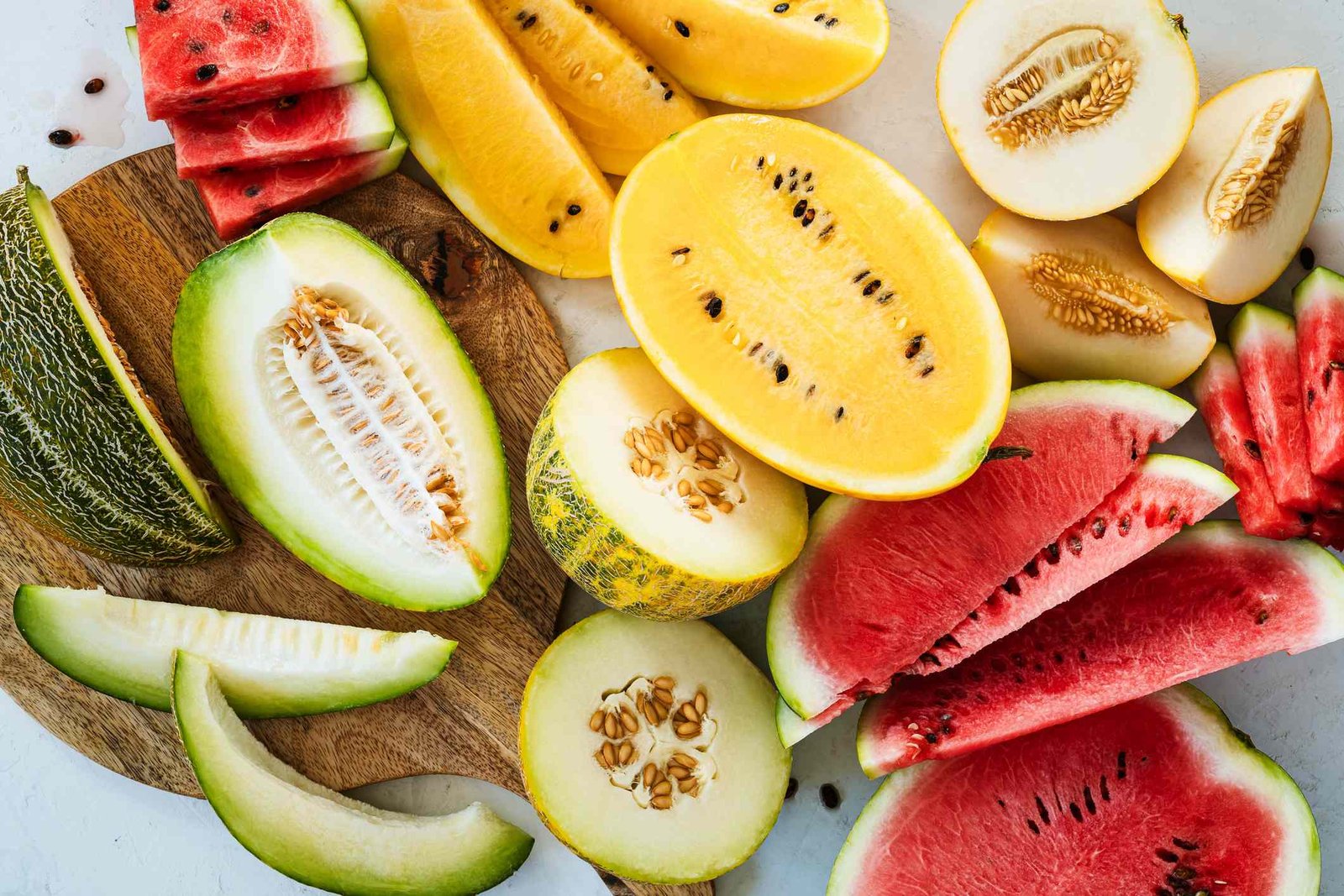
Which Melon Is the Healthiest? A Nutrition Guide to Cantaloupe, Watermelon and Honeydew
Melons are refreshing, naturally sweet and packed with water, vitamins, minerals and antioxidants. But is one type actually healthier than the others?
The answer depends on your nutritional goals. Cantaloupe may be the best overall choice because of its particularly high levels of vitamins A and C, while watermelon and honeydew offer their own nutritional advantages.
1. Cantaloupe: Best Overall


Cantaloupe is a strong all-round nutritional choice. One cup contains only a little over 50 calories while providing significant amounts of vitamin A and vitamin C.
Its bright orange flesh comes from beta-carotene, an antioxidant that the body can convert into vitamin A. These nutrients play important roles in vision, immune function, skin health and collagen production.
Cantaloupe may be particularly useful for people looking to:
- Support eye health
- Increase vitamin A and C intake
- Support normal immune function
- Promote healthy skin
2. Watermelon: Best for Hydration


Watermelon contains less vitamin A and C than cantaloupe, but it has another major advantage: hydration.
With roughly 92% water, watermelon is an excellent choice on hot days, after physical activity or whenever you want a refreshing, water-rich snack.
It is also a notable dietary source of lycopene, the antioxidant responsible for its red color. Lycopene has been associated with cardiovascular health and protection against cellular oxidative damage.
Watermelon also contains citrulline, an amino acid involved in blood-flow pathways. However, a typical serving may not provide enough citrulline to produce the effects seen with higher supplemental amounts.
Watermelon is a great choice for:
- Hydration
- Hot weather
- Post-workout snacks
- Increasing lycopene intake
- Supporting a heart-healthy diet
3. Honeydew: A Good Source of Potassium


Honeydew may receive less attention than cantaloupe and watermelon, but it remains a nutritious option.
Like other melons, honeydew is mostly water and relatively low in calories. It provides vitamin C and potassium, with potassium playing an important role in fluid balance, muscle function and healthy blood pressure.
Honeydew also has a smooth rind, which can be easier to clean than the rough, netted surface of cantaloupe.
Honeydew may be a good option for:
- Hydration
- Potassium intake
- A milder, less intense sweetness
- Supporting healthy fluid balance and blood pressure
So, Which Melon Wins?
If you want the best overall nutritional profile, cantaloupe gets the edge because it is particularly rich in vitamins A and C.
But there isn’t really a single “perfect” melon.
- 🥇 Cantaloupe: Best overall for vitamins A and C
- 💧 Watermelon: Best for hydration and lycopene
- 🍈 Honeydew: A good choice for potassium and vitamin C
The healthiest choice is ultimately the melon you enjoy and can include regularly as part of a varied diet.
Tips for Eating Melons Safely
A few simple habits can help you get the most from your melon:
- Choose melons that feel firm and heavy for their size and don’t have obvious bruising.
- Wash the melon before cutting it, even if you won’t eat the rind.
- Refrigerate cut melon promptly.
- Discard cut melon that has been left at room temperature for more than two hours.
- Pair melon with a source of protein or healthy fat, such as Greek yogurt, cottage cheese or nuts, to make a more filling snack.
- Rotate between different melon varieties to benefit from their different combinations of vitamins, minerals and antioxidants.
Bottom Line
Cantaloupe may be the healthiest melon overall, but watermelon and honeydew shouldn’t be overlooked. Each variety brings something different to the table, so including a mix of melons is a simple way to add hydration and nutrients to your diet.
Join Naija UK Connect
Stay updated with the latest UK visa sponsorship jobs, relocation opportunities, and career guides tailored for Nigerians through Naija UK Connect.
Join here: Naija UK Channel
Also, follow us on our social media channels for the latest updates and discussions:
Twitter: @NaijaUKConnect
Facebook: Naija UK Connect
Instagram: @naijaukconnect