Heatwave Safety: How to Stay Safe in Hot Weather
Hot weather can be enjoyable, but extreme heat can pose serious health risks. During a heatwave, the number of people who become seriously ill or die can increase significantly.
Taking simple precautions can help protect you, your family and vulnerable people around you.
Why Can a Heatwave Be Dangerous?
Very hot weather can increase the risk of:
- Dehydration – when the body loses more fluids than it takes in.
- Overheating – which can worsen existing heart or breathing conditions.
- Heat exhaustion and heatstroke – potentially serious conditions that require prompt attention.
Who Is Most Vulnerable to Extreme Heat?
Although anyone can be affected by high temperatures, some people are at greater risk, including:
- Older adults, particularly those aged 65 and above.
- Babies and young children aged 5 and under.
- Pregnant women.
- People living with long-term conditions such as heart, breathing, kidney or mobility problems.
- People with diabetes, dementia, Parkinson’s disease or certain mental health conditions.
- People taking multiple medications or medicines that can increase sensitivity to heat.
- People who are already unwell or dehydrated.
- People experiencing homelessness.
- Outdoor workers and people who spend extended periods outside.
- People involved in strenuous physical activity, including runners, cyclists and walkers.
- People whose jobs involve heavy manual labour.
- People who live alone and may need assistance during periods of extreme heat.
How to Stay Safe During a Heatwave
1. Stay Out of the Heat
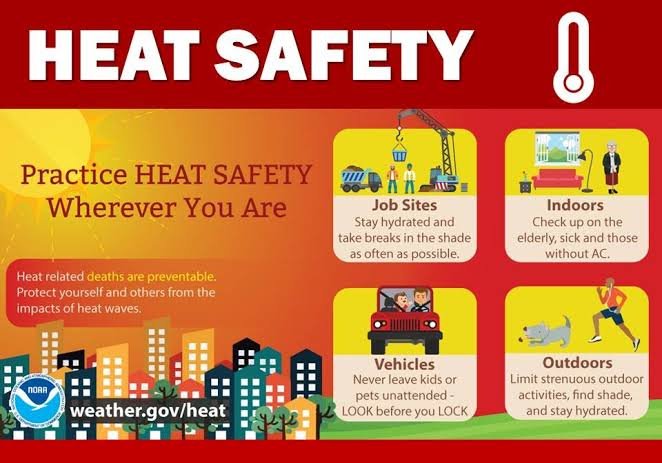
Try to remain indoors or in a cool place during the hottest part of the day. If you need to go outside, seek shade whenever possible, particularly between 11am and 3pm.
Wear lightweight, loose-fitting clothing, a hat and sunscreen. Avoid strenuous exercise or activities that could cause your body to overheat.
2. Keep Yourself Cool and Hydrated
Drink plenty of water and other cool fluids throughout the day. Avoid excessive alcohol and limit caffeine, as these can contribute to dehydration.
You can also cool yourself by:
- Taking a cool shower or bath.
- Placing cool water on your skin or clothing.
- Eating cold foods such as fruit and salads.
- Taking regular breaks in a cool environment.
3. Keep Your Home Cool
Close windows, curtains and blinds during the day, particularly when the sun is shining directly into your home.
When the temperature outside drops, open windows to allow cooler air to circulate.
Electric fans can also help circulate air, but according to NHS guidance, they should not be relied on when indoor temperatures reach 35°C or above.
4. Check on Vulnerable People
During periods of extreme heat, regularly check on older relatives, young children, neighbours and anyone else who may be particularly vulnerable.
Pay special attention to rooms where vulnerable people live or sleep and make sure they are not becoming dangerously hot.
If you are concerned that someone’s home is dangerously hot, you can contact your local council’s environmental health team. They may be able to assess whether the property presents a health risk, particularly for people living in rented accommodation.
Recognise the Warning Signs
Feeling unwell with a high temperature during very hot weather could be a sign of heat exhaustion or heatstroke.
Watch for symptoms such as:
- Heavy sweating.
- Dizziness or weakness.
- Headache.
- Nausea or vomiting.
- Muscle cramps.
- Confusion or unusual behaviour.
- Very high body temperature.
- Hot skin that may become dry.
- Loss of consciousness.
Heatstroke can be life-threatening and requires urgent medical attention.
Stay Safe This Summer
Extreme heat should be taken seriously. Staying hydrated, keeping your home cool, avoiding excessive heat and checking on vulnerable people can help reduce the risk of heat-related illness.
For official guidance, visit GOV.UK’s Beat the Heat information or the NHS guidance on heat exhaustion and heatstroke.
Useful Resources:
- GOV.UK: Beat the Heat – Staying Safe in Hot Weather
- NHS: Heat Exhaustion and Heatstroke
- GOV.UK: Find Your Local Council
Join Naija UK Connect
Stay updated with the latest UK visa sponsorship jobs, relocation opportunities, and career guides tailored for Nigerians through Naija UK Connect.
Join here: Naija UK Channel
Also, follow us on our social media channels for the latest updates and discussions:
Twitter: @NaijaUKConnect
Facebook: Naija UK Connect
Instagram: @naijaukconnect