Blueberries vs. Grapes: Which Fruit Is Better for Blood Pressure and Heart Health?
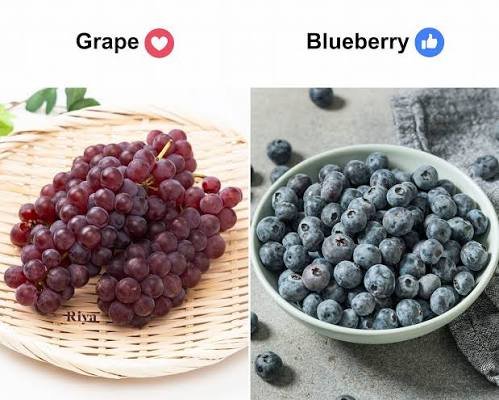
Blueberries and grapes are both packed with nutrients that support heart health, but if you’re looking for the best fruit to help manage blood pressure, blueberries may have a slight advantage.
Rich in antioxidants, vitamins, and fibre, both fruits can help protect your heart by reducing inflammation and supporting healthy blood vessels. However, research suggests blueberries may provide additional cardiovascular benefits.
Which Fruit Is Better for Your Heart?
Both blueberries and grapes contain powerful antioxidants that help reduce oxidative stress and inflammation—two key contributors to heart disease.
Blueberries stand out because they are:
- Higher in fibre.
- Lower in calories and carbohydrates.
- Rich in anthocyanins, powerful antioxidants linked to improved heart health.
- Associated with better blood vessel function and healthier cholesterol levels.
Grapes also offer impressive health benefits thanks to their natural plant compounds, particularly resveratrol, which may help improve blood pressure, cholesterol, and insulin sensitivity.
Rather than choosing one over the other, including both fruits in a balanced diet provides a wider range of nutrients that support overall cardiovascular health.
Nutritional Comparison (Per 1 Cup)
Blueberries
- Calories: 84
- Carbohydrates: 21.5g
- Fibre: 3.6g
- Protein: 1.1g
- Vitamin K: 23% Daily Value
- Vitamin C: 9% Daily Value
- Manganese: 22% Daily Value
Grapes
- Calories: 104
- Carbohydrates: 27g
- Fibre: 1.4g
- Protein: 1g
- Vitamin K: 18% Daily Value
- Vitamin C: 5% Daily Value
- Manganese: 5% Daily Value
Blueberries contain more fibre and key nutrients while providing fewer calories, making them a smart option for people looking to support heart health and maintain healthy blood sugar levels.
Why Blueberries May Offer Greater Heart Benefits
Research suggests that regularly eating blueberries may help:
- Lower blood pressure.
- Improve blood vessel function.
- Reduce inflammation.
- Decrease oxidative stress.
- Improve cholesterol levels.
- Reduce the risk of cardiovascular disease.
In one study, people who ate one cup of blueberries daily for six months experienced improved blood vessel function, healthier cholesterol levels, and an estimated 12–15% reduction in cardiovascular disease risk.
Another large study found that women who consumed more anthocyanins—the antioxidants responsible for blueberries’ deep blue colour—had a 32% lower risk of heart attack.
Why Grapes Are Good for Heart Health
Grapes contain resveratrol, a natural polyphenol with antioxidant and anti-inflammatory properties.
Research suggests resveratrol may:
- Help lower blood pressure.
- Improve cholesterol levels.
- Support healthy blood sugar and insulin function.
- Protect blood vessels from damage.
While these findings are encouraging, scientists continue to study the long-term cardiovascular benefits of resveratrol.
Easy Ways to Add More Blueberries and Grapes to Your Diet
Blueberries
- Stir into yoghurt and granola.
- Add to oatmeal.
- Blend into smoothies.
- Bake into muffins or pancakes.
- Enjoy as a healthy snack.
Grapes
- Eat fresh as a snack.
- Add to salads for natural sweetness.
- Mix into yoghurt.
- Freeze for a refreshing treat.
- Roast and serve with savoury meals.
The Bottom Line
Both blueberries and grapes are excellent choices for supporting heart health, thanks to their antioxidant and anti-inflammatory properties.
If your goal is to help lower blood pressure and improve cardiovascular health, blueberries may offer a slight nutritional advantage because of their higher fibre content and greater concentration of heart-protective antioxidants.
For the greatest health benefits, include a variety of fruits in your diet to ensure you receive a broad range of vitamins, minerals, and protective plant compounds.
Join Naija UK Connect
Stay updated with the latest UK visa sponsorship jobs, relocation opportunities, and career guides tailored for Nigerians through Naija UK Connect.
Join here: Naija UK Channel
Also, follow us on our social media channels for the latest updates and discussions:
Twitter: @NaijaUKConnect
Facebook: Naija UK Connect
Instagram: @naijaukconnect