
High Blood Pressure: Symptoms, Causes, Prevention and When to See a Doctor
High blood pressure, also known as hypertension, is a common health condition that affects millions of people worldwide. It occurs when the force of blood pushing against the walls of the arteries remains consistently too high, increasing the risk of serious complications such as heart disease, stroke and kidney problems.
One of the biggest challenges with high blood pressure is that it often has no obvious symptoms. A person can feel perfectly healthy while their blood pressure remains dangerously elevated. This is why regular checks, healthy lifestyle choices and appropriate medical care are important.
Whether you live in the UK, Nigeria or elsewhere, understanding high blood pressure can help you take practical steps towards protecting your long-term health.
What Is High Blood Pressure?
Blood pressure measures the force of blood moving through your arteries. It is recorded using two numbers:
- Systolic pressure: The top number, which measures pressure when the heart contracts.
- Diastolic pressure: The bottom number, which measures pressure when the heart relaxes between beats.
A reading is written as two numbers, such as 120/80 mmHg.
Blood pressure can vary throughout the day, depending on factors such as activity, stress, sleep and medication. A single high reading does not always mean someone has hypertension. Repeated measurements and, where appropriate, home or ambulatory monitoring can help a healthcare professional confirm a diagnosis.
Symptoms of High Blood Pressure
High blood pressure usually does not cause noticeable symptoms. Many people discover they have it during a routine health check.
When blood pressure becomes extremely high, some people may experience symptoms, but symptoms alone cannot reliably tell you whether your blood pressure is elevated.
Possible warning signs associated with a medical emergency include:
- Severe chest pain.
- Significant difficulty breathing.
- Sudden weakness or numbness.
- Difficulty speaking or sudden confusion.
- Sudden changes in vision.
- A sudden, severe headache.
These symptoms can indicate a serious medical problem. Seek emergency medical care immediately rather than waiting for a routine appointment.
What Causes High Blood Pressure?
In many adults, there is no single identifiable cause. However, several factors can increase the likelihood of developing hypertension.
1. Too Much Salt in the Diet
Excessive salt intake can contribute to raised blood pressure. Processed foods, takeaway meals, stock cubes, salted snacks and some packaged foods can contain substantial amounts of salt.
Checking food labels and reducing added salt can help support healthier blood pressure.
2. Being Physically Inactive
Regular physical activity supports heart health and can help lower blood pressure. Spending most of the day sitting and doing little exercise may increase the risk of hypertension.
3. Being Overweight
Carrying excess weight can increase the strain on the heart and circulatory system. For people who are overweight, gradual and sustainable weight management may help improve blood pressure.
4. Smoking and Excessive Alcohol Consumption
Smoking damages blood vessels and increases cardiovascular risk. Drinking too much alcohol can also contribute to high blood pressure.
Avoiding tobacco and limiting alcohol can benefit overall health.
5. Family History and Age
The risk of hypertension increases with age, and having close relatives with high blood pressure can increase your own risk. However, it can affect younger adults too.
6. Other Health Conditions
Conditions such as kidney disease, sleep apnoea and certain hormonal disorders can contribute to high blood pressure. Some medicines can also affect blood pressure, so discuss concerns with a healthcare professional rather than stopping prescribed medication yourself.
How Can You Prevent or Control High Blood Pressure?
Healthy habits can help prevent hypertension and support treatment for people who already have it.
Eat a Balanced Diet
Choose a variety of vegetables, fruit, whole grains, beans, nuts and other nutritious foods. Include suitable sources of protein and reduce foods high in salt and saturated fat.
For Nigerian readers, practical options may include beans, vegetables, fresh fruit, oats and other whole grains. You do not necessarily have to abandon familiar meals; reducing excess salt and adjusting portion sizes can be useful starting points.
Exercise Regularly
Adults should generally aim for at least 150 minutes of moderate-intensity physical activity each week, where appropriate for their health and ability.
Brisk walking, cycling, swimming and dancing are examples of activities that can help. Start gradually if you have been inactive or have concerns about exercising.
Maintain a Healthy Weight
If you need to lose weight, aim for gradual, sustainable changes rather than extreme diets. A healthcare professional can help you identify a suitable approach.
Reduce Salt Intake
Compare food labels, choose lower-salt options and limit the amount of salt added during cooking. Be mindful of salt in sauces, seasoning mixes and processed foods.
Avoid Smoking
Stopping smoking is one of the most important steps you can take to protect your heart and blood vessels. Support services and healthcare professionals can help if you want to quit.
Check Your Blood Pressure
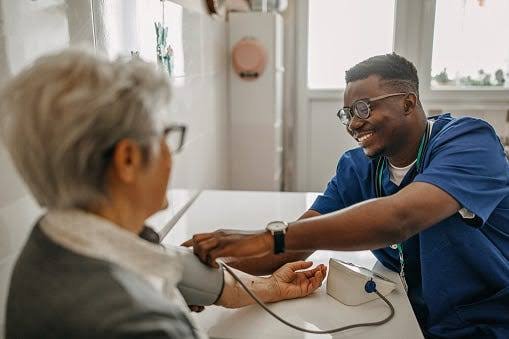
Regular checks can identify high blood pressure before complications develop. You can have your blood pressure measured at a suitable pharmacy, GP surgery or healthcare facility, or use a validated home monitor.
If you already have hypertension, follow the monitoring schedule recommended by your healthcare professional.
How Is High Blood Pressure Treated?
Treatment depends on your blood pressure readings, overall health, other medical conditions and cardiovascular risk.
Your healthcare professional may recommend lifestyle changes, medication or a combination of both.
Commonly prescribed medicines include ACE inhibitors, angiotensin receptor blockers, calcium channel blockers and diuretics. The appropriate choice varies from person to person.
If you are prescribed medication, take it as directed and attend recommended follow-up appointments. Do not stop or change your dose without discussing it with your prescriber, even if you feel well.
When Should You See a Doctor?
Arrange a medical assessment if your blood pressure readings are repeatedly higher than the recommended range. A healthcare professional can confirm whether you have hypertension and advise on the next steps.
If you measure your blood pressure at home, record the readings, including the date and time, and share them with your healthcare professional.
Seek urgent medical advice for a very high reading. If your blood pressure is around 180/120 mmHg or higher, rest briefly and repeat the measurement if you can do so safely. If it remains that high, contact a healthcare professional urgently. If you also have chest pain, breathing difficulty, weakness, confusion, visual changes or other concerning symptoms, seek emergency help immediately.
In the UK, call 999 for a medical emergency. In other countries, use the local emergency number.
Why Regular Health Checks Matter
High blood pressure can damage the heart, brain, kidneys and blood vessels over time, even when you feel well. Routine health checks can help identify problems early and give you the opportunity to take action.
If you have a family history of hypertension, diabetes, kidney disease or heart disease, ask your healthcare professional how often you should have your blood pressure checked.
Final Thoughts
High blood pressure is common, but it can often be managed with the right combination of healthy habits, monitoring and medical treatment.
Reducing excess salt, staying active, avoiding smoking and attending regular health checks are practical steps towards better cardiovascular health. If you have concerns about your blood pressure, speak to a qualified healthcare professional rather than relying on symptoms alone.
Your health matters. Do not wait until you feel unwell before checking your blood pressure.
Health disclaimer: This article is for general information only and is not a substitute for professional medical advice, diagnosis or treatment.
Join Naija UK Connect
Stay updated with the latest UK visa sponsorship jobs, relocation opportunities, and career guides tailored for Nigerians through Naija UK Connect.
Join here: Naija UK Channel
Also, follow us on our social media channels for the latest updates and discussions:
Twitter: @NaijaUKConnect
Facebook: Naija UK Connect
Instagram: @naijaukconnect