
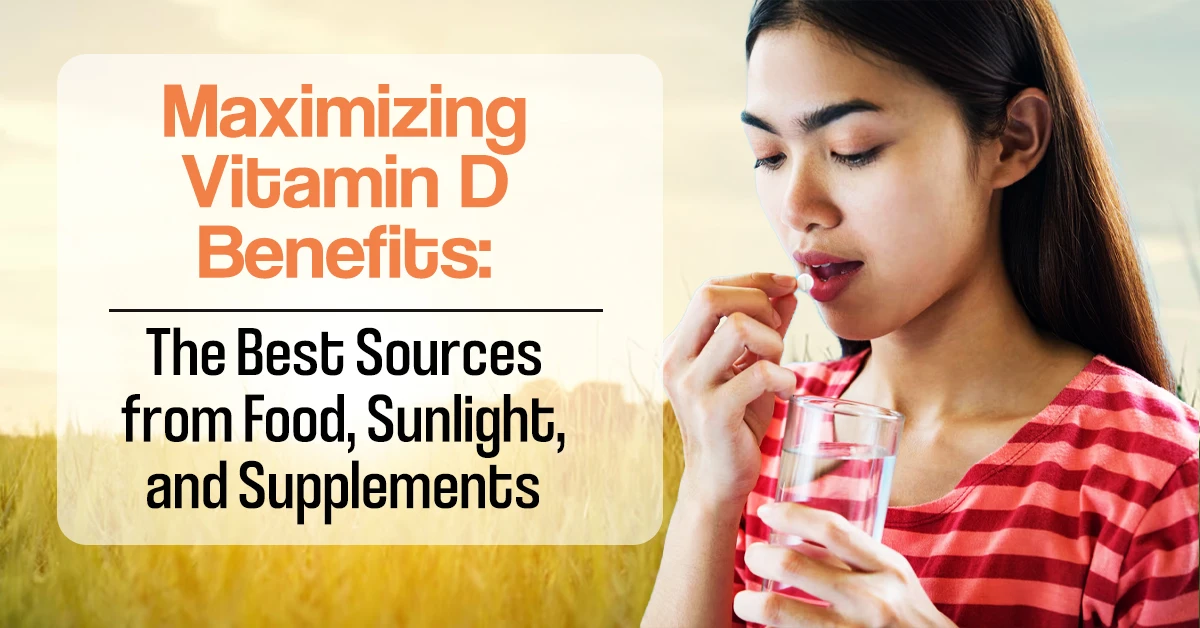
Vitamin D: Benefits, Food Sources, Daily Requirements and Supplements
Vitamin D is an essential nutrient that helps the body absorb and regulate calcium and phosphate. These minerals play a vital role in maintaining healthy bones, teeth and muscles.
Getting enough vitamin D is important at every stage of life. A deficiency can lead to health problems, including rickets in children and osteomalacia, which causes bone pain and softening, in adults.
In the UK, sunlight is the main natural source of vitamin D for most people. However, the body cannot produce enough from sunlight during the autumn and winter months, making dietary sources and supplements particularly important.
This guide explains the benefits of vitamin D, foods that contain it, recommended daily amounts, who may need supplements throughout the year, and the risks of taking too much.
What Does Vitamin D Do?
Vitamin D helps the body regulate calcium and phosphate levels, which are essential for healthy bones and teeth. It also supports normal muscle function.
Not getting enough vitamin D can affect bone development in children and bone health in adults. In children, severe deficiency can cause rickets, while adults may develop osteomalacia, a condition associated with bone pain and weakened bones.
Maintaining an adequate vitamin D intake is therefore important for overall bone and muscle health.
Best Food Sources of Vitamin D
Only a limited number of foods naturally contain vitamin D. Including these foods in a balanced diet can help support your daily intake.
Good sources include:
- Oily fish: Salmon, sardines, trout, herring and mackerel.
- Red meat: Provides small amounts of vitamin D.
- Egg yolks: Contain vitamin D.
- Fortified foods: Some breakfast cereals and fat spreads have vitamin D added.
- Dietary supplements: Vitamin D tablets and drops can help people meet their daily requirements.
In the UK, ordinary cow’s milk is generally not fortified with vitamin D, unlike milk in some other countries.
Liver also contains vitamin D, but pregnant women should avoid eating it because of its high vitamin A content.
How Does Sunlight Help the Body Make Vitamin D?
The body produces vitamin D when the skin is exposed to direct sunlight outdoors. In the UK, most people can usually make enough vitamin D from sunlight between late March or early April and the end of September.
However, sunlight is generally insufficient for the body to produce enough vitamin D between October and early March. During this period, getting vitamin D from food and supplements becomes particularly important.
The amount of vitamin D produced through sunlight varies from person to person. Factors such as skin colour, time spent outdoors and clothing can affect how much the body makes.
Remember to protect your skin from sunburn and avoid excessive exposure to sunlight.
How Much Vitamin D Do You Need Every Day?
The recommended daily amount depends on age.
- Babies under 1 year: 8.5 to 10 micrograms (mcg) daily.
- Children aged 1 to 4 years: 10 micrograms daily.
- Adults and children aged 4 years and over: 10 micrograms daily is the UK government’s recommended supplement amount during autumn and winter.
- Pregnant and breastfeeding women: 10 micrograms daily during autumn and winter.
A microgram is a unit used to measure small amounts of a nutrient. One microgram of vitamin D is equivalent to 40 International Units (IU).
Therefore, 10 micrograms of vitamin D equals 400 IU.
Should You Take Vitamin D Supplements?
UK government guidance recommends that people consider taking a daily vitamin D supplement during autumn and winter because sunlight is not strong enough for the body to make sufficient amounts.
Vitamin D Advice for Adults and Children Aged 5 and Over
During autumn and winter, adults and children aged 5 and over should consider taking a daily supplement containing 10 micrograms of vitamin D.
During spring and summer, most people can usually get enough vitamin D from sunlight and a balanced diet. However, people who are at increased risk of deficiency may need a supplement throughout the year.
Who May Need Vitamin D All Year Round?
Some people may not produce enough vitamin D from sunlight, even during spring and summer.
UK guidance recommends that adults and children over 4 years old consider taking a daily supplement containing 10 micrograms of vitamin D throughout the year if they:
- Spend very little time outdoors, including people who are housebound or frail.
- Live in a care home or similar institution.
- Usually wear clothing that covers most of their skin when outdoors.
People with darker skin, including those of African, African-Caribbean or South Asian backgrounds, may also produce less vitamin D from sunlight. They should consider taking a daily supplement throughout the year.
If you have a medical condition or take medicines that may affect vitamin D levels, ask a healthcare professional for personalised advice.
Vitamin D for Babies and Young Children
Babies and young children need vitamin D to support healthy bone development.
According to UK government guidance:
- Babies from birth to 1 year: Breastfed babies should receive a daily supplement containing 8.5 to 10 micrograms of vitamin D. Formula-fed babies may also need a supplement if they consume less than 500ml of infant formula daily, because formula is already fortified with vitamin D.
- Children aged 1 to 4 years: A daily supplement containing 10 micrograms of vitamin D is recommended throughout the year.
Vitamin D supplements and vitamin drops for young children are available from many pharmacies and supermarkets.
Families eligible for the Healthy Start scheme may also qualify for free vitamin supplements. Check the official Healthy Start website for current eligibility and availability.
Can You Take Too Much Vitamin D?
Although vitamin D is essential for health, taking excessive amounts of supplements over a long period can be harmful.
Too much vitamin D can cause calcium to build up in the blood, a condition known as hypercalcaemia. This can weaken bones and damage the kidneys and heart.
For most people, 10 micrograms (400 IU) daily is sufficient when following UK public health advice.
The NHS advises that adults, including pregnant and breastfeeding women, and children aged 11 to 17 should not take more than 100 micrograms (4,000 IU) daily unless directed by a healthcare professional. The recommended upper limits are lower for younger children:
- Children aged 1 to 10: No more than 50 micrograms (2,000 IU) daily.
- Babies under 12 months: No more than 25 micrograms (1,000 IU) daily.
These are upper limits, not recommended daily targets. Some people with particular medical conditions may need different doses under medical supervision. Always follow your doctor’s advice if you have been prescribed a specific amount of vitamin D.
You cannot overdose on vitamin D through sunlight, but excessive sun exposure can damage your skin and increase the risk of skin cancer.
Can Vitamin D Prevent or Treat COVID-19?
There have been claims that vitamin D may help prevent or treat COVID-19. However, the guidance provided by the NHS states that there is insufficient evidence to recommend taking vitamin D specifically for this purpose.
Vitamin D should be taken to meet nutritional needs, not as a substitute for established medical advice or treatment.
Key Takeaway: Why Vitamin D Matters
Vitamin D plays an important role in maintaining healthy bones, teeth and muscles. While sunlight helps the body produce vitamin D during warmer months in the UK, many people need to pay closer attention to their intake during autumn and winter.
Eating vitamin D-containing foods, following UK supplement guidance and seeking professional advice when necessary can help reduce the risk of deficiency.
Babies, young children, people with darker skin and those who spend little time outdoors may need particular attention to their vitamin D intake throughout the year.
Join Naija UK Connect
Stay updated with the latest UK visa sponsorship jobs, relocation opportunities, and career guides tailored for Nigerians through Naija UK Connect.
Join here: Naija UK Channel
Also, follow us on our social media channels for the latest updates and discussions:
Twitter: @NaijaUKConnect
Facebook: Naija UK Connect
Instagram: @naijaukconnect