
Why Early Childhood Education Matters
Early childhood is one of the most important stages of human development. The experiences children have during their early years can shape how they learn, communicate, build relationships and respond to challenges later in life.
Early childhood education provides young children with a structured and supportive environment where they can develop essential academic, social, emotional and practical skills before entering formal primary education.
From learning how to communicate and cooperate with others to developing curiosity and confidence, quality early education gives children a strong foundation for lifelong learning.
What Is Early Childhood Education?
Early childhood education refers to learning and development programmes designed for young children before they begin primary school. Depending on the education system, this may include nursery, preschool, pre-primary and early-years programmes.
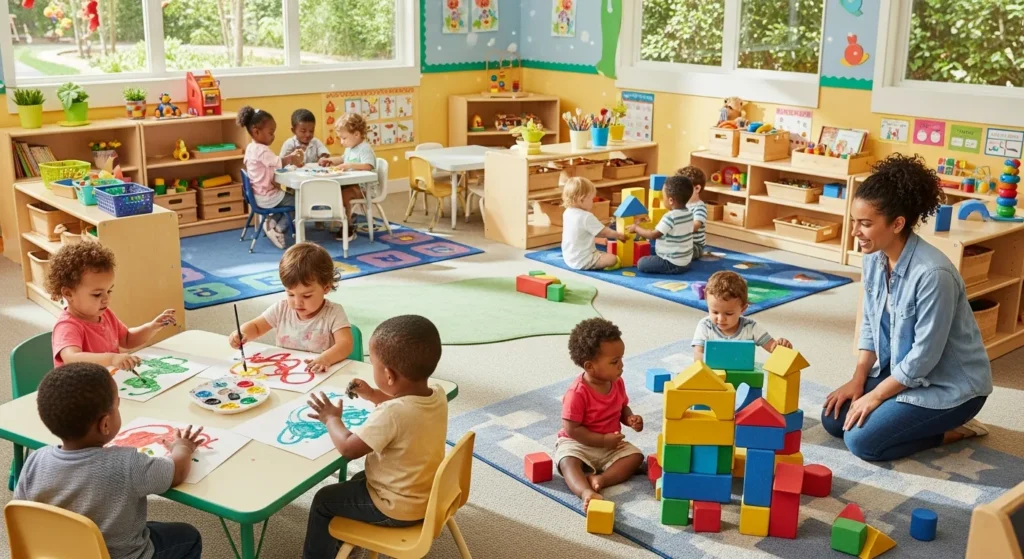
Unlike traditional classroom education, early childhood education often focuses heavily on play, exploration, interaction and hands-on activities.
Children learn through activities such as:
- Storytelling and reading
- Singing and music
- Drawing and creative activities
- Puzzles and games
- Outdoor play
- Building and construction activities
- Group discussions
- Role-playing
- Simple problem-solving exercises
These activities help children learn while developing important skills naturally and enjoyably.
Why Early Childhood Education Matters
1. It Builds a Strong Foundation for Learning
Young children are naturally curious. Early childhood education helps channel that curiosity into productive learning.
Children begin developing basic literacy, numeracy, communication and problem-solving skills. They also learn how to listen, follow instructions, ask questions and participate in classroom activities.
A strong foundation during these early years can make the transition into primary school easier.
2. It Supports Social Development
Children do not develop only academically. They also need to learn how to interact with other people.
In an early learning environment, children have opportunities to play and work with their peers. They learn important social skills such as sharing, taking turns, cooperating and resolving disagreements.
These experiences help children understand that other people may have different feelings, ideas and needs.
3. It Develops Communication Skills
Communication is a fundamental part of a child’s development.
Teachers and caregivers encourage children to express their thoughts, describe their experiences, ask questions and listen to others.
Through conversations, songs, stories and group activities, children can gradually expand their vocabulary and improve their ability to communicate effectively.
Good communication skills can benefit children both inside and outside the classroom.
4. It Encourages Emotional Development
Early childhood education can also help children understand and manage their emotions.
Children encounter situations where they may feel excited, frustrated, nervous, disappointed or happy. With appropriate guidance, they can learn to identify these emotions and develop healthy ways of expressing them.
Learning emotional skills at an early age can help children develop confidence, resilience and positive relationships.
5. It Encourages Creativity and Imagination
Young children learn through imagination and exploration.
Activities involving art, music, storytelling, drama and imaginative play allow children to experiment with ideas and express themselves creatively.
Creativity is not only useful for artistic activities. It can also support problem-solving, critical thinking and the ability to approach situations from different perspectives.
6. It Helps Develop Independence
Early education gives children opportunities to do simple tasks independently.
They may learn to organise their belongings, choose activities, clean up after playing, complete simple assignments or make decisions within appropriate boundaries.
These small responsibilities can help children develop confidence and a sense of independence.
7. It Promotes Physical Development
Physical development is another important part of early childhood education.
Activities such as running, jumping, climbing, drawing, cutting and building can help children develop gross and fine motor skills.
Outdoor play, in particular, provides opportunities for children to move their bodies, explore their surroundings and develop coordination.
8. It Helps Children Develop School Readiness
Starting primary school can be a major change for a young child.
Early childhood education can help children become familiar with routines such as listening to teachers, participating in group activities, completing tasks and interacting with classmates.
This preparation can make the transition into formal schooling less overwhelming and help children approach their new environment with greater confidence.
The Role of Teachers in Early Childhood Education
Early childhood educators play an important role in creating a safe, welcoming and stimulating learning environment.
A good early-years teacher does more than introduce children to letters and numbers. They observe children’s interests and development, encourage questions, provide appropriate challenges and help children learn through play and interaction.
Teachers can also identify areas where a child may need additional support and work with parents, caregivers and other professionals when appropriate.
The Importance of Parents and Caregivers
Education does not stop when a child leaves the classroom.
Parents and caregivers play a major role in supporting early learning at home. Simple activities such as reading bedtime stories, talking with children, singing songs, counting everyday objects and encouraging creative play can make a significant difference.
Parents can also support children’s development by creating routines, listening to their concerns and encouraging curiosity.
The strongest results often come when families and early childhood educators work together.
Early Childhood Education and Long-Term Development
The benefits of quality early childhood education can extend beyond the early years.
Children who develop strong communication, social, emotional and learning skills are better prepared to navigate later stages of education and life.
However, early education should not be viewed simply as preparation for passing exams. Childhood is also a critical period for developing confidence, relationships, curiosity, character and a positive attitude towards learning.
What Makes Early Childhood Education Effective?
Quality early childhood education should provide more than a classroom and a timetable.
Important elements include:
- Safe and supportive learning environments
- Qualified and caring educators
- Age-appropriate learning activities
- Opportunities for play and exploration
- Positive relationships between teachers and children
- Inclusion of children with different needs and abilities
- Regular communication with parents and caregivers
- Opportunities for physical activity
- Encouragement of creativity and curiosity
When these elements come together, children are more likely to enjoy learning and develop skills at their own pace.
Final Thoughts
Early childhood education matters because the early years provide the foundation upon which many later skills are built.
From communication and social interaction to emotional development, creativity, independence and early academic skills, quality early education can help children enter the next stage of their education with greater confidence.
Investing in young children is ultimately an investment in families, communities and the future. Every child deserves the opportunity to learn in a safe, supportive and stimulating environment where they can explore, grow and discover their potential.
Join Naija UK Connect
Stay updated with the latest UK visa sponsorship jobs, relocation opportunities, and career guides tailored for Nigerians through Naija UK Connect.
Join here: Naija UK Channel
Also, follow us on our social media channels for the latest updates and discussions:
Twitter: @NaijaUKConnect
Facebook: Naija UK Connect
Instagram: @naijaukconnect