Lung Cancer: Symptoms, Causes, Treatment, and Prevention
Lung cancer is one of the most common and serious cancers in the UK, with more than 43,000 people diagnosed each year. Early detection is vital, as the disease often develops without noticeable symptoms in its initial stages.
Symptoms of Lung Cancer
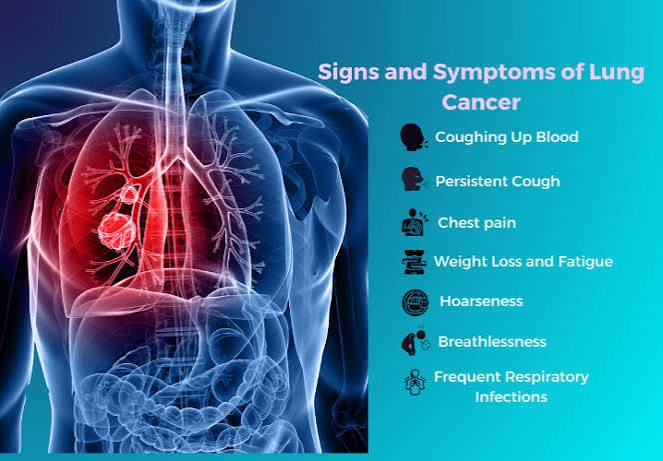
Many people do not experience symptoms early on. As the disease progresses, common symptoms may include:
- A persistent cough that does not go away.
- Coughing up blood.
- Ongoing shortness of breath.
- Unexplained weight loss and persistent fatigue.
- Chest pain or discomfort when breathing or coughing.
If you experience any of these symptoms, especially if they persist for several weeks, you should speak to your GP as soon as possible.
Types of Lung Cancer
Lung cancer that starts in the lungs is known as primary lung cancer, while cancer that spreads to the lungs from another part of the body is called secondary lung cancer.
The two main types of primary lung cancer are:
Non-Small Cell Lung Cancer (NSCLC)
This is the most common type, accounting for around 80–85% of cases. It includes:
- Squamous cell carcinoma
- Adenocarcinoma
- Large-cell carcinoma
Small Cell Lung Cancer (SCLC)
This type is less common but tends to grow and spread much more quickly than non-small cell lung cancer.
The type of lung cancer diagnosed plays an important role in determining the most appropriate treatment.
Who Is Most at Risk?
Lung cancer is most commonly diagnosed in older adults and is uncommon in people under the age of 40. In the UK, more than 40% of cases occur in people aged 75 and over.
Smoking remains the leading risk factor, accounting for more than 70% of lung cancer cases. However, people who have never smoked can also develop the disease.
Treatment Options
Treatment depends on several factors, including:
- The type of lung cancer.
- Whether specific genetic mutations are present.
- How far the cancer has spread.
- The patient’s overall health.
Treatment may include:
- Surgery to remove the affected part of the lung if the cancer is detected early.
- Radiotherapy for patients who are not suitable candidates for surgery.
- Chemotherapy if the cancer has spread beyond the lung.
- Targeted therapies, which attack specific genetic changes that help cancer cells grow. While these treatments may not cure advanced lung cancer, they can help slow disease progression.
Outlook
Lung cancer often goes undetected until it has spread, making it more difficult to treat successfully. As a result, outcomes are generally less favourable than for many other cancers.
Current UK statistics show that:
- Around 2 in 5 people survive for at least one year after diagnosis.
- Approximately 1 in 10 people survive for 10 years or longer.
Survival rates vary significantly depending on how early the cancer is diagnosed. Detecting lung cancer at an early stage greatly improves the chances of successful treatment and long-term survival.
Can Lung Cancer Be Prevented?
While not every case can be prevented, the risk of developing lung cancer can be reduced by:
- Avoiding smoking or quitting if you currently smoke.
- Reducing exposure to second-hand smoke.
- Protecting yourself from harmful substances such as asbestos, radon, and industrial chemicals.
- Maintaining a healthy lifestyle with regular exercise and a balanced diet.
- Seeking medical advice promptly if you develop persistent respiratory symptoms.
Early diagnosis remains one of the most important factors in improving treatment outcomes. If you notice ongoing symptoms such as a persistent cough, coughing up blood, unexplained weight loss, or breathlessness, consult your GP without delay.
Join Naija UK Connect
Stay updated with the latest UK visa sponsorship jobs, relocation opportunities, and career guides tailored for Nigerians through Naija UK Connect.
Join here: Naija UK Channel
Also, follow us on our social media channels for the latest updates and discussions:
Twitter: @NaijaUKConnect
Facebook: Naija UK Connect
Instagram: @naijaukconnect