Lyme Disease: Symptoms, Prevention, and Treatment
Lyme disease is a bacterial infection spread to humans through the bite of an infected tick. Although not every tick carries the bacteria, early diagnosis and treatment are important to prevent serious complications. Most people recover fully when treated promptly with antibiotics.
Early Symptoms of Lyme Disease
One of the most recognisable early signs is a circular or oval-shaped rash that develops around the site of a tick bite.
The rash usually appears within 1 to 4 weeks after the bite but can take up to three months to develop. It may gradually spread over several weeks and is typically not painful, hot, or itchy.
The rash may:
- Have a darker or lighter centre, creating a “bullseye” appearance.
- Be flat or slightly raised.
- Appear pink, red, or purple on lighter skin.
- Be less noticeable on brown or black skin, where it may resemble a bruise.
Not everyone with Lyme disease develops this rash.
Other Common Symptoms
A few days or weeks after an infected tick bite, some people experience flu-like symptoms, including:
- Fever or chills
- Headache
- Muscle and joint pain
- Fatigue and low energy
- General feeling of being unwell
If left untreated, Lyme disease can affect the joints, nervous system, heart, and other parts of the body.
Where Are Lyme Disease Ticks Found?
Ticks that can carry Lyme disease are found throughout the UK, although the risk is higher in:
- Grassy fields and woodland.
- Southern England.
- The Scottish Highlands.
Not every tick carries Lyme disease, but it is always safest to remove a tick promptly.
How to Prevent Tick Bites
Reduce your risk by taking simple precautions when spending time outdoors:
- Wear long sleeves and long trousers.
- Tuck trousers into your socks when walking through long grass.
- Use insect repellent containing DEET on exposed skin and clothing.
- Stay on clearly marked paths where possible.
- Wear light-coloured clothing so ticks are easier to spot.
- Check yourself, your children, and pets for ticks after outdoor activities.
How to Remove a Tick Safely
If you find a tick attached to your skin:
- Use fine-tipped tweezers or a tick-removal tool.
- Grip the tick as close to the skin as possible.
- Pull upwards slowly and steadily without twisting or squeezing the tick.
- Dispose of the tick safely.
- Clean the bite area with soap and water or an antiseptic.
Tick bites are often painless, so it’s important to check your skin regularly after spending time outdoors.
When to Seek Medical Advice
Contact your GP urgently or use NHS 111 if, within three months of a tick bite or visiting an area where ticks are common, you:
- Develop a circular or oval-shaped rash.
- Experience flu-like symptoms such as fever, chills, headaches, muscle aches, or unusual tiredness.
Tell the healthcare professional if you’ve recently been in woodland, forests, or grassy areas.
How Lyme Disease Is Diagnosed
Your GP will assess your symptoms, ask about recent tick bites or outdoor activities, and examine any rash.
Blood tests may be used to confirm the diagnosis, although they are not always reliable during the early stages of the infection. If symptoms persist despite an initial negative result, further testing may be recommended.
Treatment
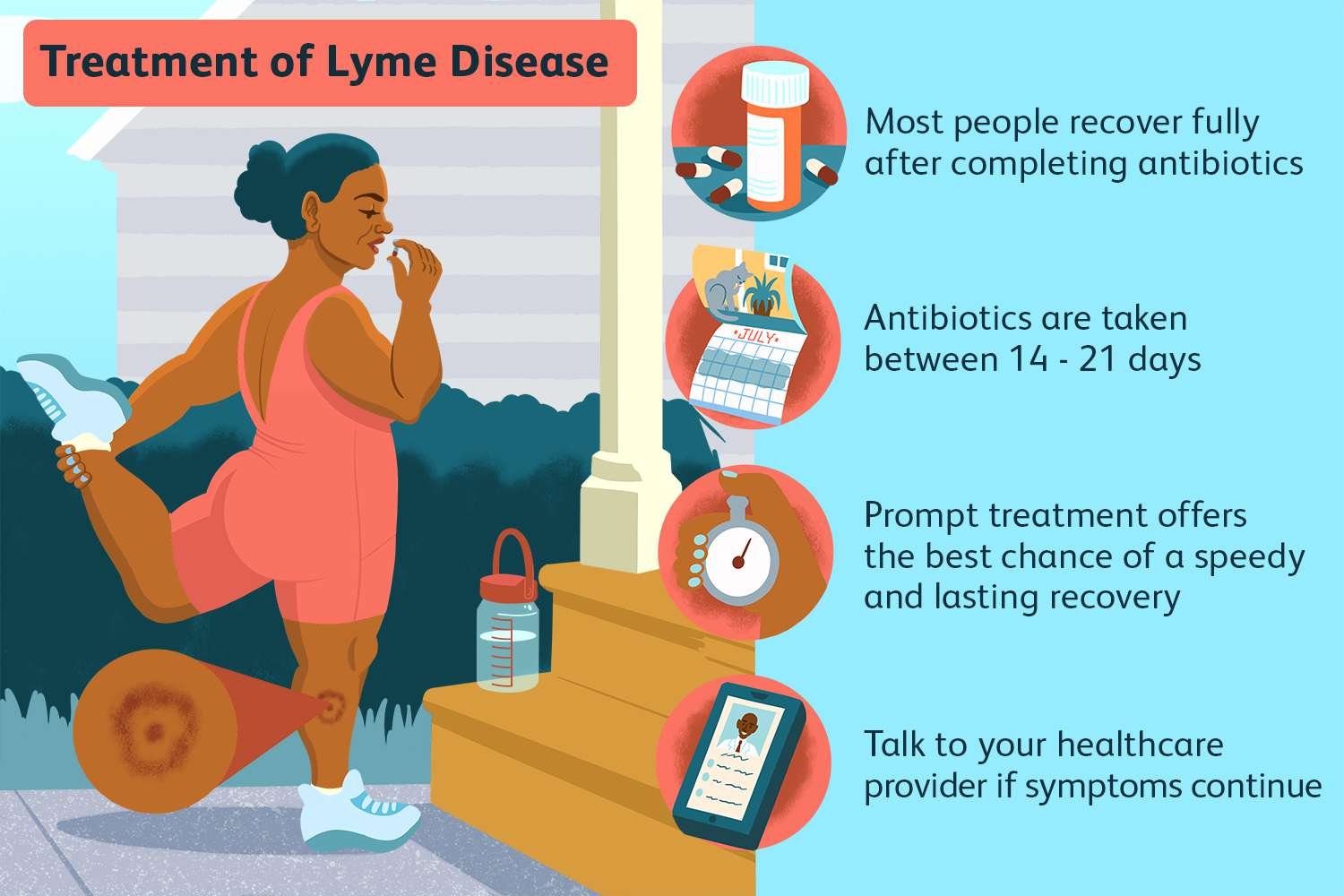
If Lyme disease is suspected, your GP will usually prescribe antibiotics, which are most effective when started early.
Treatment may last up to 28 days, depending on your symptoms. It is important to complete the full course of antibiotics, even if you begin to feel better.
People with severe symptoms may require hospital treatment, where antibiotics can be given directly into a vein.
Most people recover completely after treatment, although for some, recovery may take several months.
Ongoing Symptoms
A small number of people continue to experience symptoms such as:
- Persistent fatigue
- Muscle and joint pain
- Reduced energy levels
These symptoms can continue for months or, in some cases, years after treatment. The exact cause is not fully understood, and there is currently no agreed treatment specifically for these long-term symptoms.
If your symptoms return or do not improve after completing antibiotics, speak to your GP. You may be referred to a specialist for further assessment, support, or additional investigations.
Be Cautious of Unverified Online Treatments
Some websites advertise Lyme disease tests or treatments that are not supported by scientific evidence.
Always seek advice from a qualified healthcare professional before purchasing tests or treatment online.
Key Takeaway
While Lyme disease is uncommon, early recognition is essential. Protect yourself by preventing tick bites, checking your skin after outdoor activities, and seeking medical advice promptly if you develop a rash or flu-like symptoms after a tick bite. Early treatment greatly improves the chances of a full recovery.
Join Naija UK Connect
Stay updated with the latest UK visa sponsorship jobs, relocation opportunities, and career guides tailored for Nigerians through Naija UK Connect.
Join here: Naija UK Channel
Also, follow us on our social media channels for the latest updates and discussions:
Twitter: @NaijaUKConnect
Facebook: Naija UK Connect
Instagram: @naijaukconnect