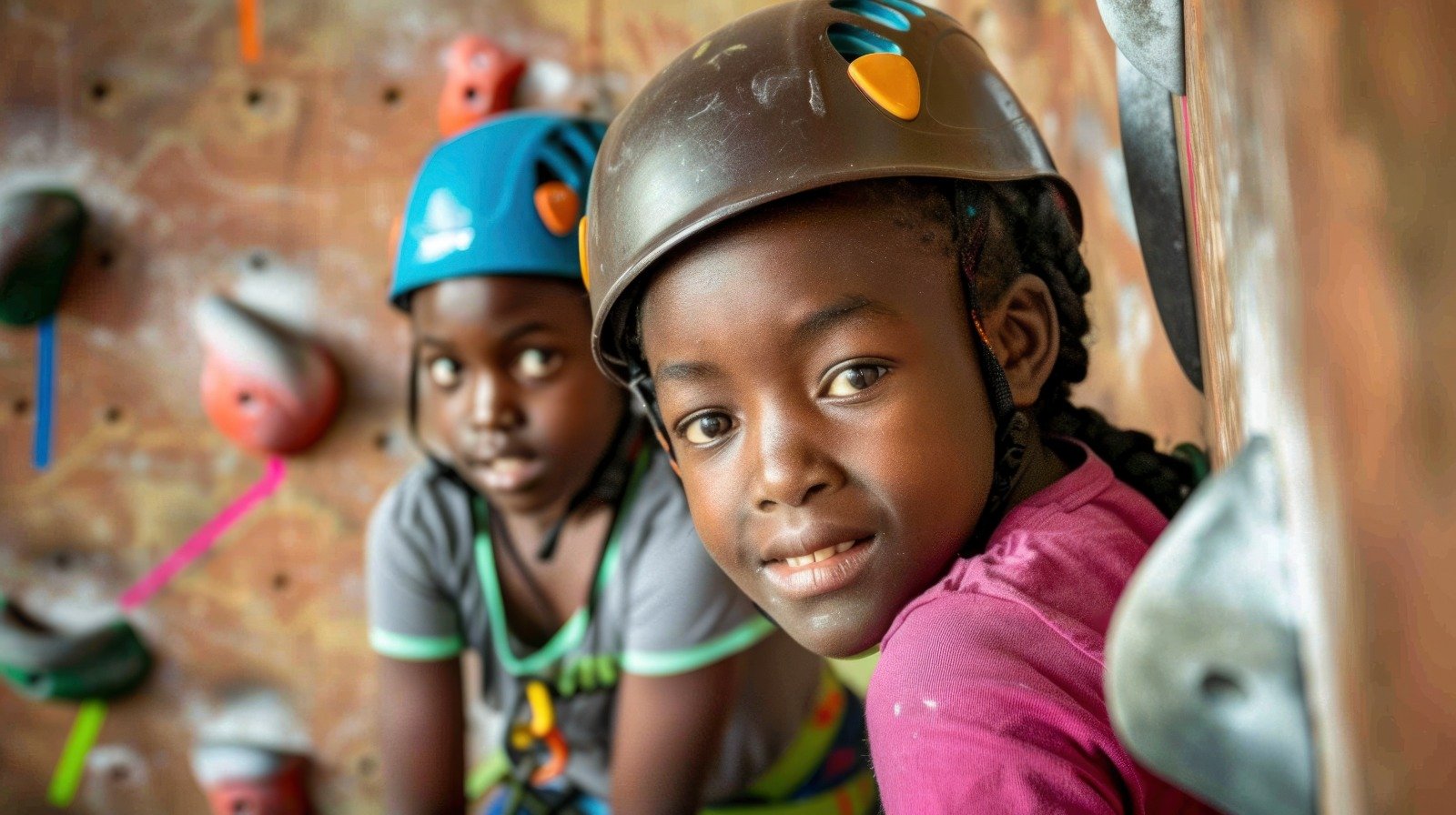
Every year on June 12, the world marks World Day Against Child Labour, a global awareness campaign led by the International Labour Organization (ILO). The day highlights a painful reality: millions of children across the world are still engaged in work that is unsafe, exploitative, and harmful to their development.
For Africans and Nigerians living in the UK, this day is not only about global awareness—it is also about understanding how everyday choices, migration experiences, and global supply chains connect directly to the issue of child labour.
Understanding Child Labour in Today’s World
Child labour refers to work that deprives children of their childhood, education, or development. This includes hazardous work, forced labour, trafficking, and any activity that prevents children from attending school or living safely.
While some light, age-appropriate tasks may be part of normal development, child labour becomes a serious violation when it harms health, safety, or education.
Across the world, children are still found working in agriculture, factories, mining, domestic service, street vending, and informal industries. Many are exposed to dangerous tools, long hours, toxic substances, and abusive conditions.
Why This Matters to Africans in the UK
For Africans living in the UK, child labour may seem geographically distant, but the reality is more connected than many realise.
Many of the goods consumed daily in the UK—including food products, clothing, electronics, and raw materials—are part of global supply chains that can involve labour exploitation at different stages of production.
This makes awareness and ethical consumption important. The choices made by consumers, businesses, and institutions in the UK can influence whether companies maintain fair labour standards or overlook exploitation in their supply networks.
The Role of Poverty, Conflict, and Education
Child labour is rarely a standalone issue. It is often driven by deeper structural challenges such as:
- Poverty and lack of financial security
- Limited access to quality education
- Conflict, displacement, and instability
- Weak labour protections and enforcement
- Social inequality and discrimination
In many cases, families are forced into difficult decisions where children work to support household survival. This is why long-term solutions must address both child protection and family economic support.
The Importance of Awareness and Ethical Responsibility
World Day Against Child Labour encourages individuals and communities to move beyond awareness into action.
For Africans in the UK, this can include:
- Paying attention to where products come from
- Supporting businesses with transparent ethical sourcing
- Asking questions about supply chains in workplaces and procurement decisions
- Encouraging conversations about children’s rights within communities
- Supporting policies that promote fair labour standards globally
Awareness is powerful because it shapes demand. When consumers and organisations demand ethical practices, industries are more likely to improve accountability.
Education as the Strongest Protection
One of the most effective ways to eliminate child labour is through education. When children have access to free, safe, and quality schooling, they are far less likely to be pushed into exploitative work.
Education not only protects children—it also helps break the cycle of poverty that often leads to child labour in the first place.
Global Progress and Ongoing Challenges
Over the past decades, international efforts have helped reduce child labour in many regions. Laws, policies, and global conventions have strengthened protections and improved enforcement in several countries.
However, millions of children are still affected today, and global crises such as economic shocks, displacement, and inequality continue to push vulnerable families into risky situations.
This shows that progress is possible—but not yet complete.
What We Can Take Away
World Day Against Child Labour is a reminder that:
- Childhood should be protected, not exploited
- Education is a fundamental right
- Global consumption patterns have real-world consequences
- Governments, businesses, and individuals all share responsibility
For Africans in the UK, it is also a call to remain informed, engaged, and conscious of how global systems impact vulnerable communities.
Ending child labour requires collective effort, sustained awareness, and long-term commitment to fairness, dignity, and opportunity for every child.
For more global awareness stories and community-focused insights, stay connected with Naija UK Connect.
Join Naija UK Connect
Stay updated with the latest UK visa sponsorship jobs, relocation opportunities, and career guides tailored for Nigerians through Naija UK Connect.
Join here: Naija UK Channel
Also, follow us on our social media channels for the latest updates and discussions:
- Twitter: @NaijaUKConnect
- Facebook: Naija UK Connect
- Instagram: @naijaukconnect