
Hand, Foot and Mouth Disease: Symptoms, Treatment and How to Prevent It
Hand, foot and mouth disease (HFMD) is a common viral infection that mainly affects babies and young children, although adults can also catch it. It typically causes a sore throat, painful mouth ulcers and a rash or blisters on the hands and feet.
The good news is that most people recover without medical treatment within 7 to 10 days.
It is important to note that hand, foot and mouth disease is different from foot and mouth disease, which affects farm animals.
This guide explains the common symptoms, how the infection spreads, ways to manage it at home and when to seek medical advice.
1. What Are the Symptoms of Hand, Foot and Mouth Disease?
Symptoms usually develop in stages. The first signs may appear before the characteristic mouth ulcers and skin rash.
Early symptoms
The initial symptoms can include:
- Sore throat.
- High temperature or fever.
- Reduced appetite.
- General discomfort or feeling unwell.
A few days later, additional symptoms may develop.
Later symptoms
The second stage commonly involves:
- Painful mouth ulcers, which can make eating and drinking difficult.
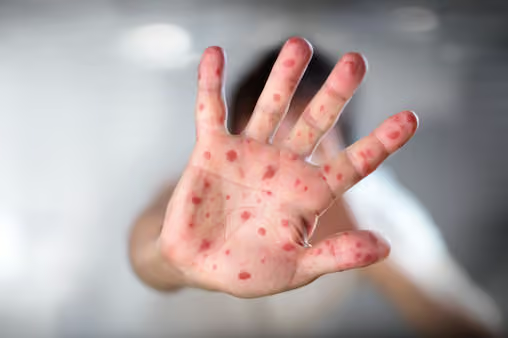
- A raised rash or spots on the palms of the hands and soles of the feet.
- Spots that may also appear around the groin, bottom and other areas.
The rash can look pink, red or darker than the surrounding skin, depending on a person’s skin tone.
Some spots may develop into blisters containing fluid. These can appear grey or lighter than the surrounding skin and may be uncomfortable or painful.
Symptoms are generally mild and can affect both children and adults.
2. What Does Hand, Foot and Mouth Disease Look Like?
The appearance of the infection can vary from person to person.
Mouth ulcers
Mouth ulcers are one of the common signs of HFMD. They may develop on the tongue, gums and inside the cheeks. These sores can be painful, making it difficult for children to eat, drink or swallow comfortably.
Spots on the hands and feet
The characteristic rash often appears as small, raised spots on the hands and feet.
Some spots may:
- Be red, pink or darker than the surrounding skin.
- Develop into small fluid-filled blisters.
- Feel sore or uncomfortable.
- Appear around the fingers, wrists, palms and soles.
The rash may also spread to the bottom and groin area.
If you are unsure whether your child has hand, foot and mouth disease, seek advice from a healthcare professional. Other childhood conditions can also cause similar-looking rashes.
3. How to Treat Hand, Foot and Mouth Disease at Home
There is no specific medicine that cures hand, foot and mouth disease. Antibiotics do not work against the virus because it is not a bacterial infection.
Most people recover naturally within 7 to 10 days.
However, there are several ways to relieve discomfort and help prevent dehydration.
Drink plenty of fluids
Encourage your child to drink regularly, particularly if mouth ulcers make swallowing painful.
Cool drinks can help soothe the mouth and throat.
Avoid acidic drinks, such as fruit juice, as these may irritate mouth ulcers.
Eat soft foods
Choose foods that are easy to swallow, including:
- Yoghurt.
- Mashed potatoes.
- Soft porridge.
- Smooth soups served at a comfortable temperature.
Avoid hot, salty or spicy foods that could make mouth ulcers more painful.
Use appropriate pain relief
Paracetamol or ibuprofen may help reduce fever and ease pain.
Always follow the instructions on the medicine packaging and check that the medicine is suitable for the person’s age.
If you are unsure about the correct treatment or dosage for a child, ask a pharmacist or healthcare professional.
Ask a pharmacist for advice
A pharmacist can recommend suitable treatments, including mouth ulcer gels, sprays and mouthwashes, to help relieve discomfort.
Not all products are suitable for young children, so check before using them.
4. When Should You See a GP?
Although hand, foot and mouth disease usually clears up without medical treatment, you should contact your GP if:
- Symptoms do not improve after 7 to 10 days.
- You are pregnant and develop symptoms of the infection.
Hand, foot and mouth disease is contagious, so contact your GP surgery before visiting. They may recommend a telephone consultation to reduce the risk of spreading the infection.
When to Get Urgent Medical Advice
Seek an urgent GP appointment or contact NHS 111 if:
- You or your child develops a very high temperature or experiences hot and cold spells or shivering.
- You are worried about your child’s symptoms.
- Your child is passing urine less frequently than usual, which could indicate dehydration.
You can contact NHS 111 by telephone or use the online service at https://111.nhs.uk/.
If someone becomes seriously unwell or develops an emergency symptom, seek emergency medical assistance.
5. How Does Hand, Foot and Mouth Disease Spread?
Hand, foot and mouth disease spreads easily, particularly among young children who attend nurseries, schools and childcare settings.
The virus can spread through:
- Coughs and sneezes.
- Direct contact with infected saliva or mucus.
- Contact with fluid from skin blisters.
- Contact with infected poo, including during nappy changes.
- Touching contaminated surfaces or objects.
An infected person can begin spreading the virus a few days before symptoms appear. However, they are most contagious during the first five days after symptoms begin.
It is also possible to catch hand, foot and mouth disease more than once.
6. How to Prevent Hand, Foot and Mouth Disease From Spreading
Good hygiene is one of the most effective ways to reduce the spread of the infection.
Parents, carers and other household members should take the following precautions:
- Wash hands regularly: Use soap and water, especially after changing nappies, using the toilet or helping a child wipe their nose.
- Cover coughs and sneezes: Use tissues to catch coughs and sneezes and dispose of used tissues immediately.
- Avoid sharing personal items: Do not share towels, cups, cutlery or other household items that may carry the virus.
- Clean frequently touched surfaces: Regularly clean toys, door handles and other commonly used objects.
- Wash contaminated clothing and bedding: Use a hot wash where appropriate, following the fabric care instructions.
- Avoid close contact when unwell: Limit close contact with others while symptoms are present, particularly during the early stages of infection.
These precautions can help reduce transmission within families, schools and childcare settings.
7. Should Children Stay Off School or Nursery?
Children with hand, foot and mouth disease do not necessarily need to remain away from school or nursery until every blister has disappeared.
They should stay at home while they feel too unwell to participate in their normal activities.
Once they feel better, they can usually return to school or nursery, even if some blisters are still visible.
Keeping children away for longer than necessary is unlikely to prevent the infection from spreading because the virus can be transmitted before symptoms appear.
Parents should also follow any additional advice from their child’s school, nursery or local public health team.
8. Hand, Foot and Mouth Disease During Pregnancy
Catching hand, foot and mouth disease during pregnancy is not usually associated with serious complications for the pregnancy or unborn baby.
However, it is sensible to avoid close contact with anyone who has the infection where possible.
If a pregnant woman develops the illness shortly before giving birth, there is a possibility that the baby could catch the infection around the time of delivery. Newborn babies may develop a mild form of the illness.
If you are pregnant and have been in contact with someone with hand, foot and mouth disease, speak to your GP or midwife for advice.
Do not ignore symptoms or attempt to self-diagnose during pregnancy.
Final Thoughts
Hand, foot and mouth disease is a common viral infection, particularly among young children. Although the mouth ulcers, fever and skin blisters can be uncomfortable, most people recover within 7 to 10 days without specific medical treatment.
The most important steps are to maintain good hygiene, encourage regular fluid intake, manage discomfort and watch for signs of dehydration.
Parents should also remember that children can usually return to school or nursery once they feel well enough, without waiting for every blister to disappear.
If symptoms become severe, do not improve within 10 days or cause concern, seek medical advice.
Health Disclaimer: This article is for general information and educational purposes. It is not a substitute for professional medical advice, diagnosis or treatment. Contact your GP, pharmacist or NHS 111 if you are concerned about symptoms.
Source: NHS – Hand, foot and mouth disease (HFMD).
Join Naija UK Connect
Stay updated with the latest UK visa sponsorship jobs, relocation opportunities, and career guides tailored for Nigerians through Naija UK Connect.
Join here: Naija UK Channel
Also, follow us on our social media channels for the latest updates and discussions:
Twitter: @NaijaUKConnect
Facebook: Naija UK Connect
Instagram: @naijaukconnect