
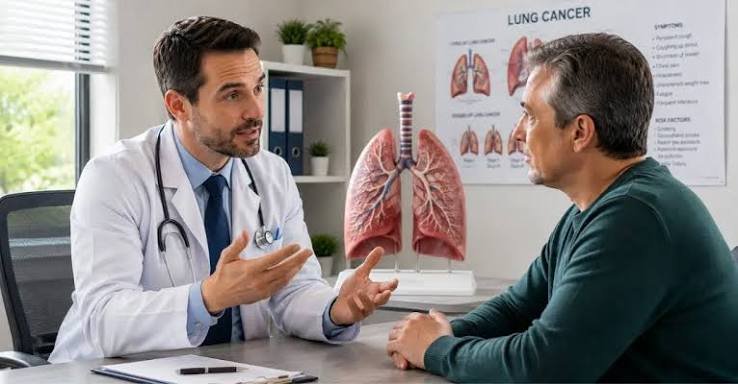
Cancer: Understanding the Causes, Symptoms, Types, Prevention and Treatment
Cancer is a serious health condition that affects millions of people around the world. While the word “cancer” can be frightening, it is important to remember that cancer is not just one disease. There are many different types, and each can behave differently, develop in different parts of the body and require different treatments.
Understanding what cancer is, what causes it, its warning signs, how it is diagnosed and the treatments available can help people make informed decisions about their health.
What Is Cancer?
Cancer develops when some cells in the body begin to grow and divide uncontrollably. Normally, cells follow an organised process: they grow, divide when needed and eventually die when they are no longer useful.
Cancer can occur when changes in a cell’s DNA interfere with this normal process. Abnormal cells may continue multiplying, form a tumour and invade nearby tissues. In some cases, cancer cells can travel to other parts of the body through the blood or lymphatic system. This spread is called metastasis.
Cancer can develop almost anywhere in the body, including the breast, lungs, prostate, bowel, skin, blood and reproductive organs.
What Causes Cancer?
There is usually no single cause of cancer. Instead, cancer can develop through a combination of genetic, environmental and lifestyle factors.
Some DNA changes happen naturally as cells divide, while others may be linked to factors that increase cancer risk.
Common risk factors include:
- Smoking and tobacco use
- Heavy alcohol consumption
- Excessive exposure to ultraviolet radiation from the sun or tanning equipment
- Certain infections, including some types of HPV and hepatitis viruses
- Exposure to certain chemicals and substances
- Being overweight or obese
- Physical inactivity
- Increasing age
- A family history of certain cancers
- Inherited genetic changes
Having one or more risk factors does not mean that someone will definitely develop cancer. Likewise, cancer can sometimes occur in people who have no obvious risk factors.
Common Types of Cancer
There are hundreds of types of cancer. Some of the most common include:
Breast Cancer
Breast cancer develops in cells of the breast and can affect both women and men, although it is much more common in women.
Possible warning signs include a new lump in the breast or armpit, changes in the size or shape of the breast, changes to the skin or nipple, or unusual nipple discharge.
Lung Cancer
Lung cancer starts in the lungs. Smoking is a major risk factor, although people who have never smoked can also develop lung cancer.
Symptoms may include a persistent cough, chest pain, shortness of breath, coughing up blood and unexplained weight loss.
Prostate Cancer
Prostate cancer develops in the prostate gland and is one of the most common cancers affecting men.
Some prostate cancers grow slowly and may not cause noticeable symptoms. Others can cause difficulty urinating, a weak urine stream or more frequent urination.
Colorectal Cancer
Colorectal cancer affects the colon or rectum.
Possible symptoms include persistent changes in bowel habits, blood in the stool, abdominal discomfort, unexplained weight loss and ongoing tiredness.
Cervical Cancer
Cervical cancer develops in the cervix, the lower part of the uterus. Persistent infection with certain high-risk types of human papillomavirus (HPV) is the main cause.
HPV vaccination and appropriate cervical screening can help prevent cervical cancer or identify abnormal changes early.
Skin Cancer
Skin cancer develops in skin cells and is commonly associated with excessive exposure to ultraviolet radiation.
A new or changing mole, unusual skin growth or a sore that does not heal should be checked by a healthcare professional.
What Are the Warning Signs of Cancer?
Cancer symptoms vary depending on the type of cancer and where it develops. Some cancers may cause few or no symptoms in their early stages.
Possible warning signs include:
- An unexplained lump or swelling
- Unexplained weight loss
- Persistent or unusual pain
- Unexplained bleeding
- A cough that does not go away
- Persistent hoarseness
- Changes in bowel or bladder habits
- Difficulty swallowing
- Ongoing or unusual tiredness
- Changes in the size, shape or colour of a mole
- Repeated fever or night sweats
It is important to remember that having one of these symptoms does not automatically mean you have cancer. Many common illnesses can cause similar symptoms.
However, if a symptom is persistent, unusual or getting worse, it is worth speaking with a healthcare professional rather than ignoring it.
Can Cancer Be Prevented?
Not all cancers can be prevented, but there are steps people can take to reduce their risk.
These include:
Avoid Tobacco
Tobacco use is one of the leading preventable causes of cancer. Avoiding cigarettes and other tobacco products can significantly reduce cancer risk.
Maintain a Healthy Lifestyle
Regular physical activity, a balanced diet and maintaining a healthy weight can help reduce the risk of several cancers.
A healthy diet can include plenty of vegetables, fruits, whole grains and other nutritious foods while limiting highly processed foods and excessive alcohol consumption.
Protect Your Skin
Too much ultraviolet radiation can damage skin cells and increase the risk of skin cancer. Using shade, protective clothing and appropriate sunscreen can help reduce exposure.
Get Recommended Vaccinations
Vaccines can help prevent infections that are linked to certain cancers. For example, HPV vaccination can help prevent HPV infections that can lead to cervical and several other cancers. Hepatitis B vaccination can also help reduce the risk of liver cancer associated with chronic hepatitis B infection.
Attend Recommended Screening
Cancer screening can help detect certain cancers or precancerous changes before symptoms appear.
Screening recommendations vary depending on factors such as age, sex, family history and individual risk.
How Is Cancer Diagnosed?
If a doctor suspects cancer, they may recommend several tests to understand what is causing the symptoms.
Depending on the situation, testing may include:
- A physical examination
- Blood tests
- X-rays
- Ultrasound
- CT scans
- MRI scans
- Endoscopy
- Biopsy
A biopsy involves removing a small sample of tissue so that it can be examined under a microscope. In many cases, a biopsy is needed to confirm whether cancer cells are present.
Additional tests may then be performed to determine the type and stage of cancer and whether it has spread to other parts of the body.
How Is Cancer Treated?
Cancer treatment depends on several factors, including the type of cancer, its stage, where it is located and the person’s overall health.
Treatment may involve one approach or a combination of several treatments.
Surgery
Surgery involves removing cancerous tissue. It may be used when the cancer is contained in a particular area of the body.
Chemotherapy
Chemotherapy uses medicines to kill cancer cells or slow their growth. It may be given before or after surgery or alongside other treatments.
Radiotherapy
Radiotherapy uses high-energy radiation to destroy cancer cells or shrink tumours.
Immunotherapy
Immunotherapy helps the body’s immune system recognise and fight certain cancer cells. It is used for particular types of cancer.
Targeted Therapy
Targeted therapy uses medicines designed to act on specific characteristics of cancer cells. Doctors may recommend these treatments when testing shows that a cancer has a particular target.
Hormone Therapy
Some cancers depend on hormones to grow. Hormone therapy can block or reduce the effects of those hormones and is commonly used for certain breast and prostate cancers.
Why Early Detection Matters
Early detection can make a significant difference for some types of cancer because treatment may be more effective when the disease is found before it has spread.
This is one reason why people should pay attention to persistent changes in their health and take part in recommended screening programmes.
However, screening is not available or appropriate for every type of cancer, and screening recommendations differ between countries and individuals.
Living With Cancer
Cancer can affect much more than a person’s physical health. A diagnosis can also affect relationships, work, finances and emotional wellbeing.
People living with cancer may benefit from support such as:
- Medical treatment and regular follow-up
- Pain and symptom management
- Nutritional advice
- Emotional and psychological support
- Rehabilitation
- Support from family and friends
- Palliative care when appropriate
Good cancer care focuses not only on treating the disease but also on helping people maintain the best possible quality of life.
When Should You See a Doctor?
You should speak with a healthcare professional if you notice a persistent or unexplained change in your health.
This could include an unusual lump, unexplained bleeding, persistent pain, ongoing changes in bowel or bladder habits, unexplained weight loss or another symptom that does not go away.
Do not assume that a symptom is cancer, but do not ignore persistent changes either. A healthcare professional can assess your symptoms and determine whether further tests are necessary.
Final Thoughts
Cancer is a complex group of diseases, and there is no single cause, symptom or treatment that applies to every type.
Learning about cancer causes, symptoms, risk factors, prevention, screening and treatment can help people recognise changes in their health and seek appropriate medical advice.
While not every cancer can be prevented, healthy lifestyle choices, recommended vaccinations, appropriate screening and early medical attention can play an important role in reducing risk and improving outcomes for some cancers.
If you are worried about a symptom or your risk of developing cancer, speak with a qualified healthcare professional. Online information can provide general guidance, but it should never replace personalised medical advice.
Join Naija UK Connect
Stay updated with the latest UK visa sponsorship jobs, relocation opportunities, and career guides tailored for Nigerians through Naija UK Connect.
Join here: Naija UK Channel
Also, follow us on our social media channels for the latest updates and discussions:
Twitter: @NaijaUKConnect
Facebook: Naija UK Connect
Instagram: @naijaukconnect