
Food and Nutrition: The Importance of Healthy Eating for a Strong and Healthy Body
Food is an essential part of human life. Every day, we eat and drink to provide our bodies with the nutrients, energy, and strength they need to function properly. From the simple meals we prepare at home to the fruits, vegetables, grains, meat, fish, and other foods we enjoy, everything we consume can contribute to our overall health and well-being.
In simple terms, food refers to solid or liquid substances that people consume to provide nutritional support, energy, growth, and nourishment for the body. Food supplies the nutrients required for important functions such as breathing, movement, digestion, brain activity, tissue repair, and maintaining a healthy immune system.
However, eating is not simply about filling the stomach. What we eat, how much we eat, and how regularly we eat can all influence our health. A balanced and varied diet can help the body obtain the nutrients it needs, while a diet dominated by highly processed foods, excessive sugar, salt, or unhealthy fats may increase the risk of health problems over time.
What Are Nutrients?
Nutrients are substances found in food that the body needs to grow, develop, produce energy, repair tissues, and maintain normal body functions.
Our bodies require different nutrients in different amounts, and no single food usually provides everything we need. This is why eating a variety of foods is so important.
The major nutrients and nutritional components include carbohydrates, proteins, fats, vitamins, minerals, fibre, and water.
1. Carbohydrates: An Important Source of Energy
Carbohydrates are one of the body’s main sources of energy. They are particularly important for powering everyday activities such as walking, working, exercising, studying, and thinking.
Common sources of carbohydrates include:
- Rice
- Maize
- Bread
- Potatoes
- Yams
- Sweet potatoes
- Oats
- Pasta
- Beans and other legumes
- Fruits
Carbohydrates are not all the same. Whole grains, fruits, vegetables, and legumes can provide carbohydrates alongside fibre and other useful nutrients. Choosing these foods more often can be part of a healthy eating pattern.
2. Protein: Building and Repairing the Body
Protein plays an important role in building, maintaining, and repairing body tissues. It is especially important during childhood, adolescence, pregnancy, recovery from illness, and periods of physical training.
Good sources of protein include:
- Beans
- Lentils
- Eggs
- Fish
- Chicken
- Lean meat
- Milk and other dairy products
- Nuts and seeds
- Soy products
Protein is particularly important for muscles, but its role goes far beyond muscle building. The body also uses protein to make enzymes, hormones, and other substances needed for normal functioning.
3. Fats and Oils: Essential but Best in Moderation
Fats are another important component of a healthy diet. They provide energy and help the body absorb certain vitamins. Fats also play a role in supporting normal cell function.
Healthy sources can include foods such as:
- Avocados
- Nuts
- Seeds
- Fish
- Olive and other vegetable oils
However, fats are energy-dense, meaning that small amounts provide a significant amount of energy. For this reason, portion size matters.
Rather than avoiding fats completely, it is generally better to focus on the type and amount of fat consumed and choose healthier sources more often.
4. Vitamins: Small Nutrients with Big Roles
Vitamins are needed in relatively small amounts, but they perform many important functions in the body.
Different vitamins contribute to different aspects of health. For example, some vitamins support the immune system, while others help maintain healthy skin, bones, vision, blood, and normal metabolism.
Fruits and vegetables are particularly valuable sources of many vitamins and other beneficial plant compounds.
Examples include:
- Oranges and other citrus fruits
- Mangoes
- Pawpaw
- Carrots
- Tomatoes
- Spinach
- Broccoli
- Peppers
- Pumpkin
- Green leafy vegetables
Eating a variety of colourful fruits and vegetables is a simple way to increase the range of nutrients in your diet.
5. Minerals: Supporting Vital Body Functions
Minerals are also essential nutrients. The body needs minerals such as calcium, iron, potassium, magnesium, and zinc for various functions.
For example, calcium contributes to healthy bones and teeth, while iron is important for the formation of haemoglobin, which helps transport oxygen around the body.
Minerals can be obtained from foods such as:
- Green leafy vegetables
- Beans
- Fish
- Meat
- Eggs
- Milk and dairy products
- Nuts and seeds
- Whole grains
- Fruits and vegetables
Eating a varied diet helps improve the chances of getting the minerals your body needs.
6. Fibre: Important for Digestive Health
Fibre is found mainly in plant-based foods and is an important part of a healthy diet.
It can help support normal digestion and bowel function and can contribute to feelings of fullness after meals.
Good sources of fibre include:
- Whole grains
- Beans
- Lentils
- Fruits
- Vegetables
- Nuts
- Seeds
Instead of relying heavily on refined and highly processed foods, including more whole or minimally processed plant foods can help increase fibre intake.
7. Water: The Nutrient We Often Forget
Water is essential for life. The body needs it for many processes, including regulating temperature, transporting nutrients, supporting digestion, and removing waste.
Water can come from drinks as well as foods such as fruits and vegetables.
Drinking enough fluids throughout the day is particularly important during hot weather or periods of physical activity.
Why Is Good Food Important?
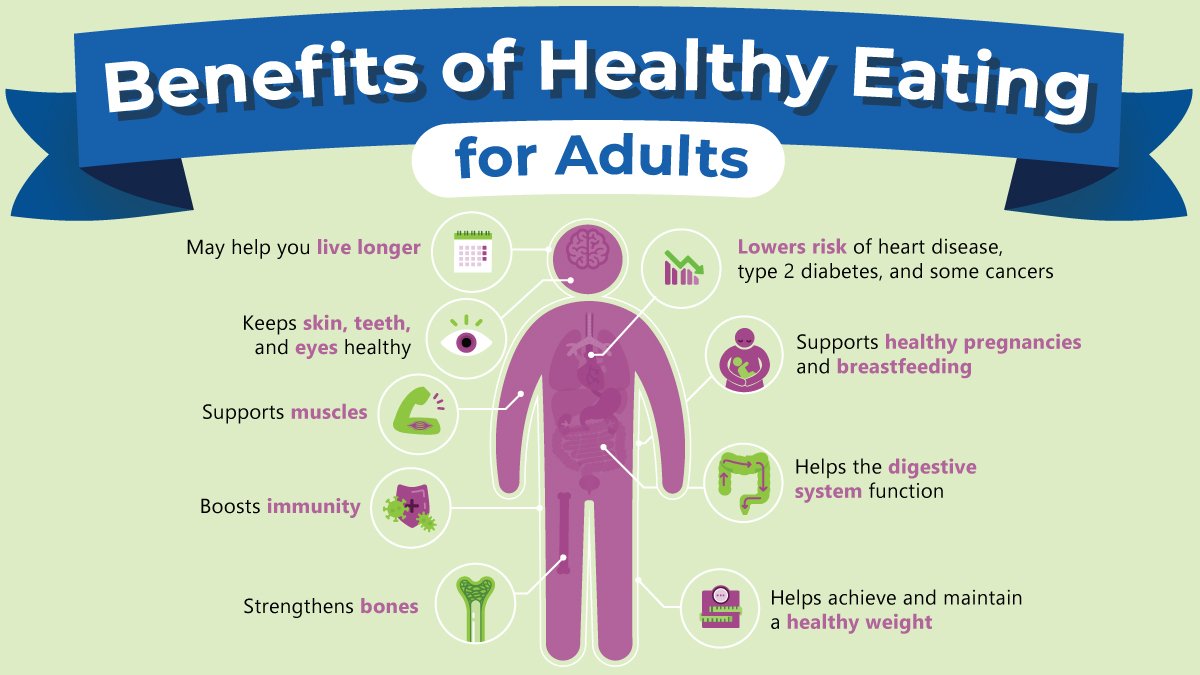
Eating well can support almost every part of the body. A balanced diet provides the nutrients required to maintain normal body functions and can contribute to long-term health.
Energy and Daily Performance
The body needs energy to perform everyday activities. Whether you are working, studying, exercising, cooking, walking, or simply carrying out household tasks, your body requires fuel.
Eating balanced meals can help provide a steady supply of energy and nutrients throughout the day.
Growth and Development
Children and teenagers require adequate nutrition because their bodies are continuously growing and developing.
Nutrients support the development of bones, muscles, organs, the brain, and other tissues. Providing children with a variety of nutritious foods can help establish healthy eating habits that may continue into adulthood.
Supporting the Immune System
A nutritious diet provides vitamins, minerals, protein, and other nutrients that support normal immune function.
No single food can prevent every illness, but eating a varied and balanced diet is an important part of maintaining overall health.
Repair and Recovery
The body is constantly repairing and replacing cells and tissues. Protein, vitamins, minerals, energy, and other nutrients all contribute to these processes.
Good nutrition is therefore important not only when you are healthy but also during periods of recovery from illness, injury, or demanding physical activity.
Brain and Mental Performance
The brain requires energy and nutrients to function effectively. Regular, balanced meals can support concentration and everyday mental performance.
For students and people with demanding jobs, maintaining healthy eating habits can be an important part of supporting productivity and overall well-being.
What Is a Balanced Diet?
A balanced diet means eating a variety of foods in appropriate amounts so that the body receives the nutrients and energy it needs.
A healthy eating pattern does not have to be complicated or expensive. It can be built around familiar foods and adjusted according to individual needs, culture, availability, and budget.
A balanced plate might include:
- A source of carbohydrates such as rice, yam, potatoes, or whole grains
- A protein source such as beans, fish, eggs, chicken, or lean meat
- Plenty of vegetables
- A portion of fruit
- A moderate amount of healthy fats or oils
- Water or another suitable drink
The exact combination will vary from meal to meal, and a healthy diet is about the overall pattern rather than achieving a perfect plate every time.
Healthy Eating Tips for Everyday Life
Making healthier food choices does not mean completely giving up the foods you enjoy. Instead, it is about developing sustainable habits and creating a better overall balance.
1. Eat a Variety of Foods
Try not to eat the same foods every day. Different foods provide different nutrients, so variety can help you obtain a wider range of essential nutrients.
Include different fruits, vegetables, grains, legumes, and protein sources throughout the week.
2. Eat More Fruits and Vegetables
Fruits and vegetables contain vitamins, minerals, fibre, and other beneficial compounds.
Try adding vegetables to soups, stews, rice dishes, pasta, or other meals. Keep fruit available as a convenient snack or dessert.
3. Choose Whole or Minimally Processed Foods More Often
Whole and minimally processed foods can form the foundation of a healthy diet.
Examples include fresh vegetables, fruits, beans, whole grains, nuts, seeds, eggs, fish, and other nutritious foods.
Highly processed foods can still be part of some people’s diets, but consuming them frequently or in large amounts may make it more difficult to maintain a balanced diet.
4. Drink Enough Water
Make water your regular drink throughout the day, especially when you are thirsty or physically active.
Staying hydrated supports normal body functions and can help prevent dehydration.
5. Pay Attention to Portion Sizes
Healthy foods can still contribute a lot of energy when eaten in very large portions.
Learning to recognise reasonable portion sizes can help maintain a balanced diet without requiring you to eliminate particular foods.
6. Reduce Excessive Salt and Added Sugar
Many packaged foods, snacks, sweets, and sugary drinks can contain high amounts of added sugar or salt.
Choosing these foods less often and checking food labels where available can help you make more informed choices.
7. Don’t Skip Meals Without a Reason
Regular eating patterns can make it easier for many people to meet their nutritional needs and maintain energy throughout the day.
If you regularly skip meals and then become extremely hungry, you may be more likely to overeat or choose less nutritious convenience foods.
8. Make Breakfast Nutritious When You Eat It
A nutritious breakfast can include foods such as oats, eggs, whole-grain bread, fruit, yoghurt, beans, or other foods that provide a combination of nutrients.
The most important thing is not following one specific breakfast formula but choosing foods that contribute to an overall balanced diet.
Healthy Food Choices on a Budget
Eating healthily does not necessarily mean spending a lot of money.
Some affordable and nutritious options include:
- Beans and lentils
- Eggs
- Seasonal fruits
- Local vegetables
- Maize
- Oats
- Brown or whole-grain staples where affordable
- Fish
- Groundnuts and other nuts
- Sweet potatoes
- Yams and other local staples
Planning meals ahead of time can also help reduce food waste and unnecessary spending.
Buying seasonal produce, preparing meals at home, and using affordable protein sources such as beans and eggs can make healthy eating more accessible.
Food and Nigerian Eating Habits
Healthy eating can easily fit into traditional Nigerian meals. Many local foods provide valuable nutrients when combined thoughtfully.
For example, a meal containing beans, vegetables, fish, and a moderate portion of a staple food can provide protein, carbohydrates, fibre, vitamins, and minerals.
Popular foods such as rice, yam, plantain, beans, vegetables, fish, eggs, chicken, and fruits can all have a place in a balanced diet.
The goal is not to abandon traditional foods but to consider variety, portion sizes, preparation methods, and overall balance.
For instance, steaming, boiling, grilling, or using moderate amounts of oil can sometimes be preferable to deep-frying, depending on the food and your overall dietary needs.
The Importance of Healthy Eating for Children
Good nutrition is particularly important during childhood because young bodies require nutrients for growth and development.
Parents and caregivers can encourage healthy habits by:
- Offering different fruits and vegetables
- Including protein-rich foods in meals
- Providing nutritious snacks
- Encouraging children to drink water
- Limiting excessive sugary drinks and highly processed snacks
- Creating regular family mealtimes
- Teaching children why different foods are important
Children can also learn healthy habits by observing the adults around them. Making nutritious food a normal part of family life can help shape positive attitudes toward eating.
Food, Lifestyle, and Overall Well-Being
Healthy eating is only one part of a healthy lifestyle. Nutrition works best alongside other positive habits such as regular physical activity, adequate sleep, good hygiene, stress management, and avoiding harmful substances.
There is also no single diet that is perfect for everyone. Nutritional needs can vary depending on age, activity level, lifestyle, culture, and individual circumstances.
People with specific medical or dietary needs should seek advice from a qualified healthcare professional or registered dietitian rather than relying solely on general nutrition advice.
Final Thoughts
Food is much more than something we eat when we are hungry. It provides the energy and nutrients our bodies need to grow, function, repair themselves, and maintain overall health.
A healthy diet does not require perfection. Instead, it is built through consistent everyday choices: eating a variety of foods, including plenty of fruits and vegetables, choosing nutritious sources of protein and carbohydrates, drinking enough water, moderating foods high in salt, sugar, and unhealthy fats, and paying attention to portion sizes.
The best approach is one that is balanced, realistic, affordable, culturally appropriate, and sustainable.
Whether you are preparing a simple family meal, packing lunch for work or school, or planning your weekly groceries, remember that small improvements can add up over time.
Eat well, stay hydrated, stay active, and make nutritious food a regular part of your everyday life. 🥗🍎💧
Join Naija UK Connect
Stay updated with the latest UK visa sponsorship jobs, relocation opportunities, and career guides tailored for Nigerians through Naija UK Connect.
Join here: Naija UK Channel
Also, follow us on our social media channels for the latest updates and discussions:
Twitter: @NaijaUKConnect
Facebook: Naija UK Connect
Instagram: @naijaukconnect