Energy and Life: The Secrets of Healthy Food for a Balanced Body and Alert Mind
Food is essential for life, growth, development, and overall well-being. A healthy, balanced diet provides the body with the nutrients and energy it needs at every stage of life.
Good nutrition is a foundation for maintaining a healthy body and reducing the risk of many health problems. In contrast, consistently poor dietary choices can contribute to weight gain and other long-term health concerns. This makes both the nutritional quality and preparation of food important considerations.
The Importance of Healthy Food for the Body
Eating a nutritious diet provides many benefits, including:
- Supports digestive health: Fibre-rich foods help maintain healthy digestion and support the proper functioning of the digestive system.
- Provides energy: Carbohydrates, proteins, and fats provide the energy needed for movement, daily activities, and essential body functions.
- Promotes healthy skin: Vitamins, minerals, healthy fats, and adequate hydration can help maintain healthy skin.
- Supports the immune system: A varied diet rich in fruits, vegetables, and other nutrient-dense foods provides vitamins, minerals, and antioxidants that support the body’s natural defences.
- Supports brain function and concentration: Balanced nutrition provides the brain with nutrients needed for normal cognitive function, concentration, and mental alertness.
- Helps maintain a healthy weight: Choosing nutritious foods in appropriate portions can support healthy weight management and overall fitness.
Key Nutrients for a Healthy, Balanced Diet
Carbohydrates
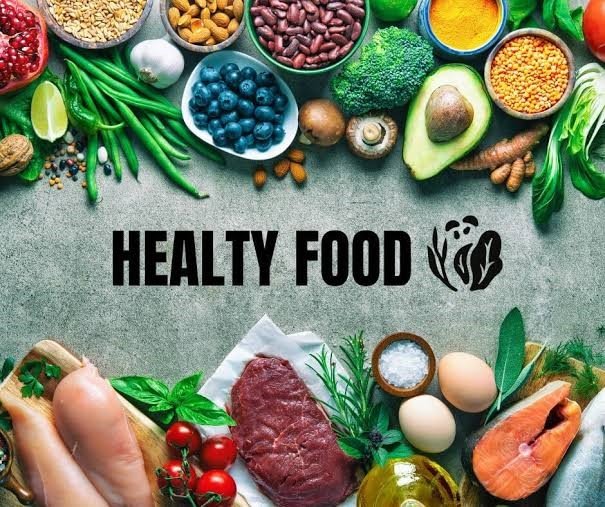
Carbohydrates are an important source of energy for the body. They are found in foods such as whole grains, potatoes, rice, fruits, and some vegetables. Whenever possible, choose high-fibre and minimally processed carbohydrate sources while limiting excessive consumption of foods and drinks high in added sugars.
Proteins
Protein is essential for building and repairing body tissues and supporting normal growth and development. Good sources include beans, lentils, peas, nuts, seeds, eggs, fish, poultry, dairy products, and other lean meats.
Fruits and Vegetables
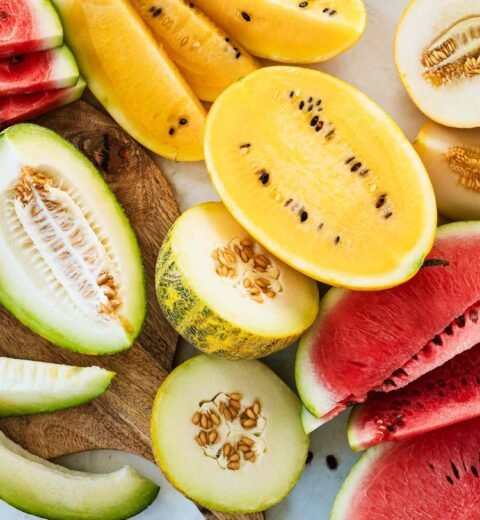
Fruits and vegetables provide essential vitamins, minerals, fibre, and beneficial plant compounds. Eating a variety of colourful fruits and vegetables regularly can help provide the body with a broad range of nutrients.
Healthy Fats
Healthy fats are also an important part of a balanced diet. Sources include avocados, nuts, seeds, olive oil, and oily fish. These fats support normal brain function and help the body absorb certain vitamins.
Healthy Food and an Active Lifestyle
A nutritious diet works best alongside regular physical activity. For students and adults alike, eating well can support energy levels, fitness, healthy growth, and overall well-being.
Regular activities such as walking, cycling, swimming, dancing, or playing football can help keep the body active and support a healthy lifestyle. Physical activity can also contribute to better mood and help manage everyday stress.
Building Healthy Habits
Healthy eating does not mean eliminating particular foods completely. Instead, focus on variety, balance, moderation, and nutritious choices. Include plenty of fruits and vegetables, choose quality sources of protein and carbohydrates, drink enough water, and limit excessive amounts of highly processed foods and added sugars.
Ultimately, combining a balanced diet with regular physical activity, adequate rest, and healthy daily habits can help support a stronger, more energetic body and a more alert mind.
Join Naija UK Connect
Stay updated with the latest UK visa sponsorship jobs, relocation opportunities, and career guides tailored for Nigerians through Naija UK Connect.
Join here: Naija UK Channel
Also, follow us on our social media channels for the latest updates and discussions:
Twitter: @NaijaUKConnect
Facebook: Naija UK Connect
Instagram: @naijaukconnect