How to Watch the 2026 Solar Eclipse Safely
August 12, 2026: A Partial Solar Eclipse Across the UK
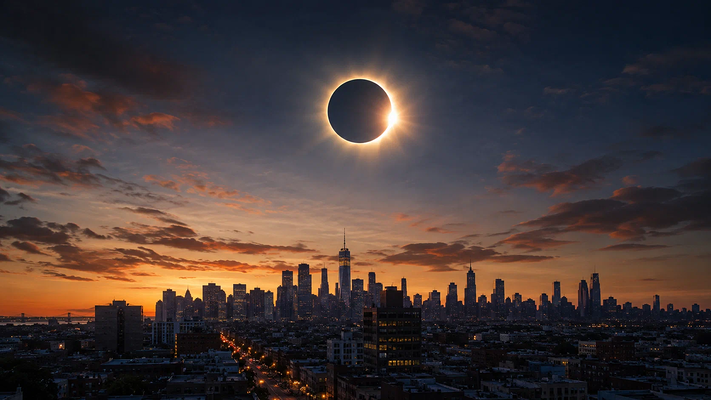
On Wednesday, August 12, 2026, people across the UK will have the opportunity to see a partial solar eclipse. While this is an exciting and relatively rare event, looking directly at the Sun without proper protection can cause permanent eye damage.
Here’s how to enjoy the eclipse safely.
Where Will the Eclipse Be Visible?
The partial solar eclipse will be visible across the whole of the UK, with people in the South West expected to see the greatest proportion of the Sun covered by the Moon.
According to Royal Museums Greenwich, the event will provide the greatest solar coverage visible from the UK and Ireland since 1999, making it a particularly notable astronomical event.
Although the eclipse takes place in August, when clearer skies may be more likely, cloudy weather does not make it safe to look directly at the Sun. Proper eye protection is still essential.
Why Is Looking at the Eclipse Dangerous?
During an eclipse, the Sun appears less bright than usual. This can make people more likely to look at it directly.
However, the Sun’s rays can still cause serious damage to the retina. The danger is increased because retinal damage can occur without pain, meaning you may not realise your eyes have been injured until vision problems develop.
Following the 1999 solar eclipse, around 70 people reportedly experienced vision problems, with approximately 40% saying they had looked at the Sun for less than a minute.
Are Regular Sunglasses Safe?
No.
Ordinary sunglasses—even very dark ones—do not provide sufficient protection for viewing a solar eclipse.
They reduce visible glare, which can make it feel more comfortable to look at the Sun, but they do not block enough harmful solar radiation.
Never use regular sunglasses to view the Sun during an eclipse.
How Can You Watch the Eclipse Safely?
There are two main safe approaches:
1. Use Certified Eclipse Glasses or Solar Viewers
If you choose to watch the eclipse directly, use specialist eclipse glasses or handheld solar viewers with filters that meet the ISO 12312-2:2015(E) international safety standard.
Make sure the product comes from a reputable supplier and is specifically designed for solar viewing.
Before using eclipse glasses:
- Check that the lenses are not scratched or damaged.
- Do not use glasses with torn or defective filters.
- Avoid products if you cannot verify that they meet the required safety standard.
- Be particularly cautious when purchasing eclipse glasses online.
2. Use Indirect Viewing Methods
You don’t need specialist equipment to watch the eclipse safely.
You can view the Sun indirectly using methods such as:
- A pinhole viewer that can be made at home.
- A colander, using the holes to project multiple images of the eclipsed Sun.
- Gaps between tree leaves, which can naturally project images of the Sun.
- A simple pinhole projector that projects the Sun’s image onto a sheet of paper.
These methods allow you to observe the eclipse without looking directly at the Sun.
Enjoy the Eclipse—Safely
The August 12, 2026 partial solar eclipse is an exciting opportunity to experience a remarkable astronomical event across the UK.
But the most important rule is simple:
Never look directly at the Sun without appropriate solar protection.
Whether you use certified eclipse glasses or an indirect viewing method, take the necessary precautions so you can enjoy the eclipse without putting your eyesight at risk.
Join Naija UK Connect
Stay updated with the latest UK visa sponsorship jobs, relocation opportunities, and career guides tailored for Nigerians through Naija UK Connect.
Join here: Naija UK Channel
Also, follow us on our social media channels for the latest updates and discussions:
Twitter: @NaijaUKConnect
Facebook: Naija UK Connect
Instagram: @naijaukconnect