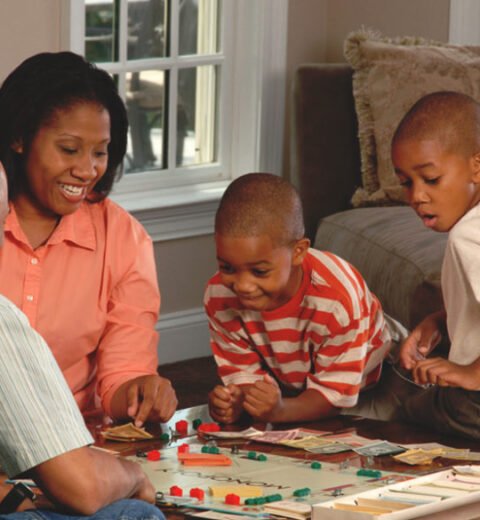

Living in the UK as African parents comes with many adjustments — long work shifts, colder weather, darker winters, and changes in the way our families eat.
Sometimes when children start acting differently — becoming unusually tired, moody, restless, or struggling to focus — we may assume it’s simply “bad behaviour,” stress, or puberty. But in some cases, nutritional deficiencies could also be playing a role.
The move from Africa to the UK often means less sunlight exposure and lifestyle changes that can affect both adults and children. Here are some common signs parents should pay attention to.
1. Constant Tiredness and Low Energy
If your child is usually active but suddenly seems tired all the time, uninterested in activities, or frequently complains of weakness, they may not be getting enough Iron or Vitamin B12.
Why It Matters
These nutrients help the body produce healthy red blood cells that carry oxygen around the body. Low levels can lead to fatigue and poor concentration.
Foods That May Help
- Eggs
- Fish
- Beans
- Red meat
- Fortified cereals
Traditional African meals containing beans, fish, meat, and leafy vegetables can help support healthy iron levels.
2. Hyperactivity or Difficulty Concentrating
Struggling to focus in school, restlessness, or unusually high energy levels may sometimes be linked to low Vitamin D or Iron levels.
The UK Factor
Many Africans living in the UK are at higher risk of Vitamin D deficiency because darker skin produces less Vitamin D from sunlight, especially during long UK winters.
Foods and Support
- Oily fish like mackerel
- Egg yolks
- Fortified milk and cereals
- NHS-recommended Vitamin D supplements
The NHS recommends Vitamin D supplements for many people during autumn and winter months.
3. Mood Swings and Irritability
If your child becomes easily frustrated, emotional, or unusually irritable, nutrients such as Vitamin B6 and Vitamin B12 may be worth paying attention to.
Foods That Support Mood and Brain Function
- Bananas
- Chicken and turkey
- Whole grains
- Beans
- Leafy vegetables
Balanced meals can support emotional wellbeing and brain development.
4. Anxiety or Low Mood
Mental wellbeing is just as important as physical health. Persistent sadness, anxiety, or withdrawal could sometimes be connected to low levels of Folate (Vitamin B9) and Omega-3 fatty acids.
Nutrient-Rich Foods
- Spinach
- Ugu and other leafy greens
- Lentils
- Beans
- Walnuts
- Fish
Many familiar African foods already contain important nutrients that support mental health.
5. Sleep Problems
Difficulty sleeping, waking frequently at night, or poor sleep quality may sometimes be linked to low Magnesium or Vitamin D levels.
Foods That Contain Magnesium
- Almonds
- Spinach
- Beans
- Whole grains
Good sleep is essential for children’s growth, learning, and emotional regulation.
🥗 Supporting Healthy Nutrition in the UK
Busy schedules and adapting to UK life can make healthy eating more difficult, but many African foods naturally contain valuable nutrients.
| Nutrient | Common Sources |
|---|---|
| Vitamin D | Oily fish, egg yolks, supplements |
| Iron | Red meat, beans, spinach |
| Folate (B9) | Leafy greens, lentils, beans |
| Omega-3 | Mackerel, walnuts, flaxseeds |
Important Note for Parents
Nutritional deficiencies are only one possible explanation for behavioural or emotional changes in children. Persistent symptoms should always be discussed with a GP or qualified healthcare professional.
Regular health check-ups, balanced meals, proper sleep, and emotional support all play an important role in helping children thrive in the UK.
Final Word
Raising children abroad comes with unique challenges, especially while balancing work, school, finances, and adapting to a new environment.
As Africans in the UK, staying informed about nutrition and wellbeing can help our children grow healthier, happier, and more confident throughout the migration journey.
What healthy African meals do your children enjoy most in the UK?
Join Our WhatsApp Channel
Stay updated on the latest UK news, including education, health, job openings, and more for those living in the UK!
Join here: Naija UK Channel
Also, follow us on our social media channels for the latest updates and discussions:
- Twitter: @NaijaUKConnect
- Facebook: Naija UK Connect
- Instagram: @naijaukconnect