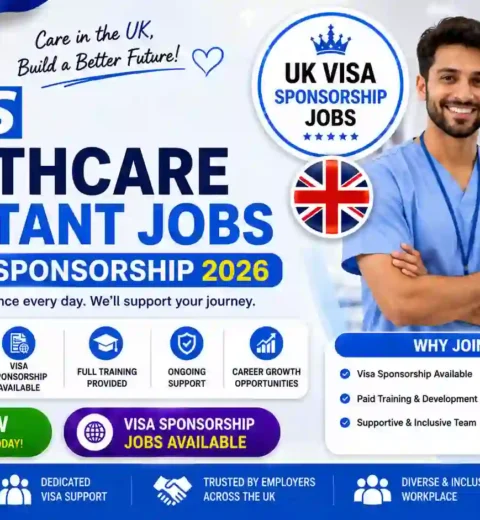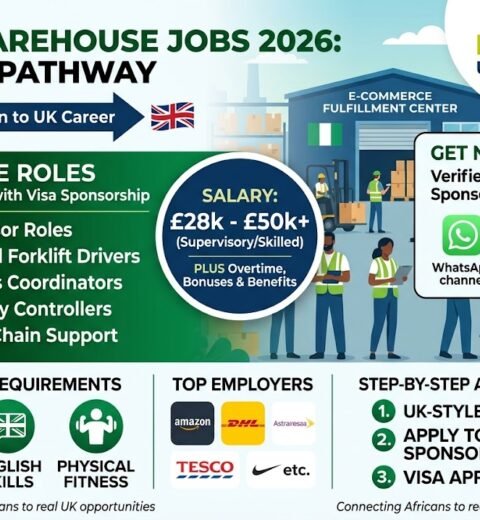

Looking for a UK visa-sponsored job in 2026? Whether you’re already in the UK or planning to move, this guide will walk you through everything you need to know to secure skilled worker opportunities in the UK.
Navigating the UK Job Market in 2026
The UK job market is highly competitive in 2026, with employers prioritizing skills over experience. While salaries remain high, businesses are under pressure to reduce costs, making it harder for candidates to land a job. However, there are still significant skill shortages in sectors such as healthcare, digital technology, engineering, and education.
Here’s how you can successfully land a visa-sponsored job:
Step 1: Do a Skills Audit
Before diving into job applications, it’s crucial to assess your skills and qualifications. Ask yourself: Can I clearly demonstrate how I’ve made a difference in my previous roles? Here’s how to get started:
- List your skills: Include technical, soft, and transferable skills.
- Check for certifications: Ensure you have the necessary certifications or professional registrations.
- Review your experience: Focus on the impact of your work, not just your responsibilities.
- Ask for honest feedback: Would an employer offer me £41,700 or more for my skills? If not, what can I improve?
In 2026, high-demand areas include:
- Healthcare and social care
- AI, data engineering, and cybersecurity
- Engineering for infrastructure and renewable energy
- STEM teaching roles
- Specialized construction trades
Step 2: Learn About the Most Common UK Work Visas
Knowing the right visa options is key to finding the right job. Here’s an overview of the most common UK work visas:
1. Skilled Worker Visa
This remains the most popular route for professionals.
- Requirements: A job offer from a licensed sponsor, a minimum salary of £41,700 or the going rate (whichever is higher), proof of English proficiency, and a Certificate of Sponsorship.
- Eligible Professions: Many sectors, including healthcare, tech, and engineering.
2. Health and Care Worker Visa
This visa is ideal for those in healthcare roles, including nurses, doctors, and carers.
- Salary: Average salary is £31,300, but many NHS jobs pay according to NHS pay rates.
- Why it’s great for Nigerians: The healthcare sector is still in need of workers, making this visa one of the easiest to obtain.
3. Other Specialized Visas
Certain industries like finance, education, and green energy also have specific visa pathways. Explore these if your background aligns with these fields.
Step 3: Begin a Focused Job Search
In 2026, you can’t afford to apply to just any job. A targeted approach will work best. Here’s how to find the right opportunities:
- Explore high-demand sectors: Health, tech, engineering, and education continue to be strong areas, but also consider emerging fields like sustainability and advanced manufacturing.
- Use the right platforms: Websites like UK Visa Jobs or Workbeyond specialize in visa-sponsored job listings.
- Focus on companies that sponsor visas: Apply to employers already licensed to sponsor international workers.
If you find that your job title doesn’t exactly match UK titles, look for similar roles. For example, “project manager” in Nigeria may align with “programme coordinator” in the UK.
Step 4: Craft a Winning Job Application
Strong applications are essential because visa sponsorship is a big commitment for employers. Here’s how to make your application stand out:
- Tailor your CV: Ensure your CV fits each specific job description and highlights measurable results.
- Write a compelling cover letter: Explain why you’re the best fit, your understanding of the UK job market, and clarify that you’ll require sponsorship.
Pro Tip: Make sure your LinkedIn profile is polished and active. Engage with UK business discussions, showcase your projects, and increase your visibility.
Step 5: Shine in the Interview
Employers who sponsor visas are looking for candidates who can add value quickly. Here’s how to impress during interviews:
- Show your skills: Demonstrate problem-solving abilities, adaptability, and technical expertise.
- Discuss sponsorship confidently: Be clear that you meet the visa requirements and are committed to long-term success in the UK.
Step 6: Get Your Certificate of Sponsorship and Apply for a Visa
Once you secure a job offer, your employer will issue a Certificate of Sponsorship (CoS). This is the next step toward applying for your visa.
- Skilled Worker Visa costs: £769–£1,751 (depends on the length of stay and where you apply from).
- Healthcare surcharge: £1,035 per year.
Health and Care Worker Visa: Lower costs and no surcharge.
Step 7: Moving to the UK
If you’re approved, use your visa to enter the UK. The UK now uses eVisas, meaning you’ll enter the country digitally rather than with a BRP card.
If you’re switching jobs within the UK, make sure you apply for your new visa before your current one expires to maintain legal status.
How Naija UK Connect Can Help You
Navigating the UK job market and visa process can be overwhelming. That’s where Naija UK Connect comes in! We provide resources, webinars, and job listings tailored specifically for Nigerians in the UK.
- Job Listings: Access visa-sponsored opportunities with verified employers.
- Guides & Webinars: Get tips on CV writing, interview preparation, and job search strategies.
- Legal Resources: Understand the ins and outs of UK immigration laws.
Conclusion: Your Path to a UK Job in 2026
The UK job market is more competitive, but there are still plenty of opportunities for skilled international workers, especially in sectors like healthcare, technology, and engineering. By following the steps above and focusing on your skills, visa requirements, and tailored applications, you’ll be well on your way to securing your dream job in the UK.
Ready to take the next step?
Start your job search today with Naija UK Connect and discover exciting visa-sponsored opportunities in 2026!
Join Our WhatsApp Channel
Stay updated on the latest UK news, including education, health, job openings, and more for those living in the UK!
Join here: Naija UK Channel
Also, follow us on our social media channels for the latest updates and discussions:
- Twitter: @NaijaUKConnect
- Facebook: Naija UK Connect
- Instagram: @naijaukconnect