
For Nigerian Families in the UK
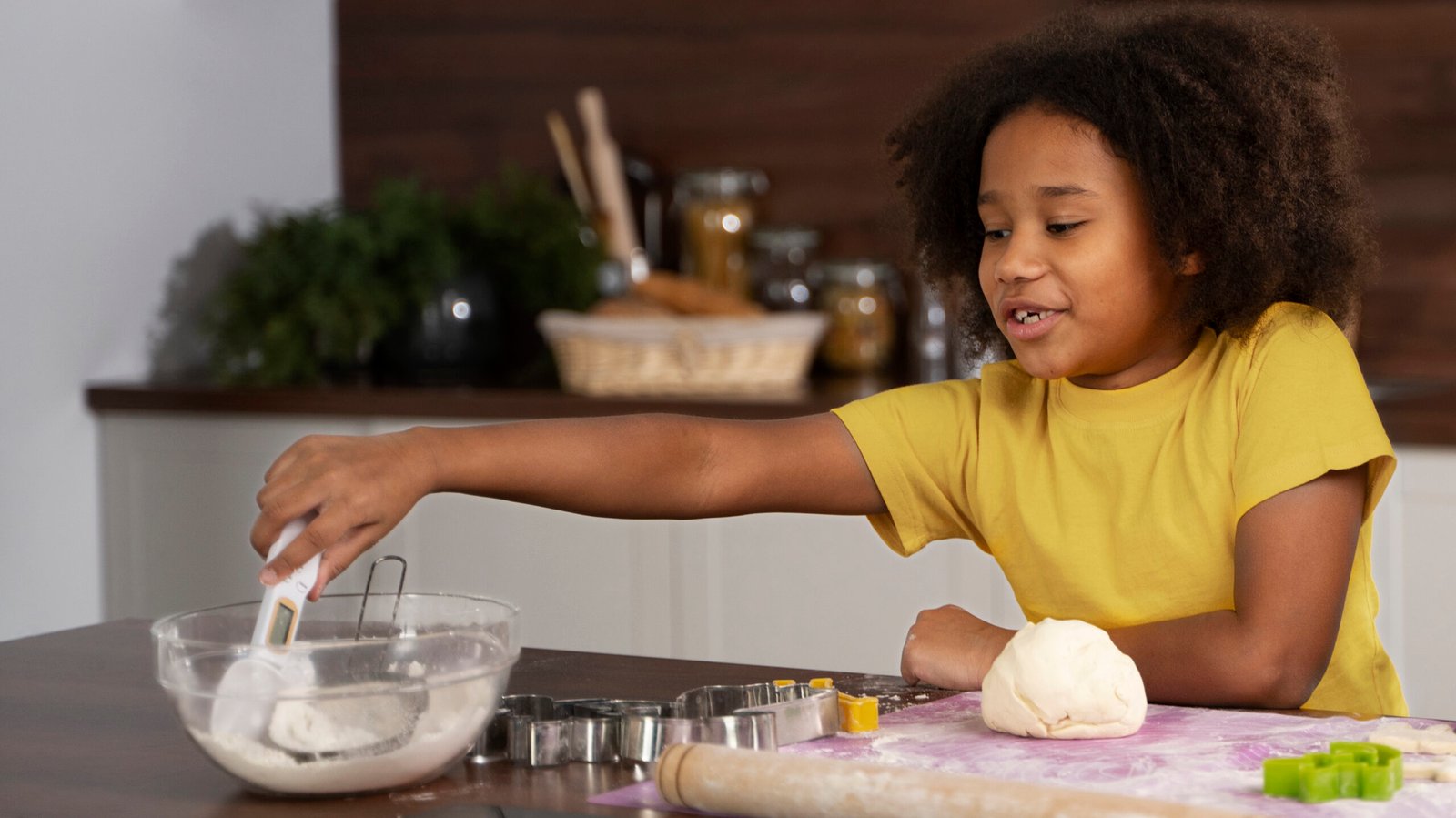
Teaching children basic household skills is one of the most important life lessons parents can pass on—especially for Nigerian families raising children in the UK. From cooking simple meals to cleaning up after themselves, these everyday skills help children grow into confident, responsible, and independent adults.
In the UK, children are often encouraged to be self-reliant from an early age, both at home and in school. Teaching domestic skills early helps Nigerian children adapt better, build confidence, and understand responsibility—while still maintaining strong family values.
Beyond keeping the home tidy, these skills help children develop discipline, problem-solving abilities, and self-esteem. When taught patiently and positively, household chores become learning opportunities rather than punishments, setting children up for long-term success.
Break Tasks Down and Make Them Age-Appropriate
Children learn best when tasks match their age and ability. Younger children can help with simple activities such as washing vegetables, tidying toys, or wiping tables. Older children can gradually learn how to cook simple meals, do laundry, or manage their personal space.
Making tasks age-appropriate reduces frustration and builds confidence. Each completed task gives children a sense of achievement, motivating them to take on more responsibility over time. This approach helps children associate learning with success, not pressure.
Teach by Doing, Not Just by Telling
Children learn faster when they are actively involved. Instead of only giving instructions, allow children to watch and participate in everyday activities like cooking Nigerian meals, cleaning, or organising the home.
Explain what you are doing and why it matters. This hands-on approach helps children understand the purpose behind each task and encourages curiosity. It also creates space for questions, bonding, and learning through experience.
Turn Everyday Chores into Learning Moments
Daily household tasks offer valuable learning opportunities. Cooking teaches basic maths and measurement, cleaning encourages organisation, and simple responsibilities help children understand time management.
When parents explain why chores are important—such as hygiene, safety, or teamwork—children begin to see the bigger picture. This reduces fear of making mistakes and encourages independence. Children who feel safe to try and learn from errors tend to develop skills more quickly.
Make Responsibility a Shared Family Value
Children are more likely to take responsibility when they see everyone contributing. Involving the whole family in household tasks teaches teamwork, fairness, and respect—values many Nigerian families already hold dear.
When children understand that cooking and cleaning are shared responsibilities, not punishments, they feel included and valued. This mindset helps raise capable, thoughtful adults who appreciate independence, cooperation, and family unity—skills that are essential for life in the UK and beyond.
If you’d like, I can also:
- Shorten this for Instagram or Facebook
- Rewrite it in a more conversational Naija tone
- Turn it into a carousel post or parenting series
Just say the word 😊
Here’s a polished and UK-Nigerian–tailored edit suitable for Naija UK Connect. I’ve kept it warm, practical, and culturally relatable for Nigerian parents raising children in the UK.
How to Teach Children Cooking, Cleaning, and Basic Household Skills
For Nigerian Families in the UK
Teaching children basic household skills is one of the most important life lessons parents can pass on—especially for Nigerian families raising children in the UK. From cooking simple meals to cleaning up after themselves, these everyday skills help children grow into confident, responsible, and independent adults.
In the UK, children are often encouraged to be self-reliant from an early age, both at home and in school. Teaching domestic skills early helps Nigerian children adapt better, build confidence, and understand responsibility—while still maintaining strong family values.
Beyond keeping the home tidy, these skills help children develop discipline, problem-solving abilities, and self-esteem. When taught patiently and positively, household chores become learning opportunities rather than punishments, setting children up for long-term success.
Break Tasks Down and Make Them Age-Appropriate
Children learn best when tasks match their age and ability. Younger children can help with simple activities such as washing vegetables, tidying toys, or wiping tables. Older children can gradually learn how to cook simple meals, do laundry, or manage their personal space.
Making tasks age-appropriate reduces frustration and builds confidence. Each completed task gives children a sense of achievement, motivating them to take on more responsibility over time. This approach helps children associate learning with success, not pressure.
Teach by Doing, Not Just by Telling
Children learn faster when they are actively involved. Instead of only giving instructions, allow children to watch and participate in everyday activities like cooking Nigerian meals, cleaning, or organising the home.
Explain what you are doing and why it matters. This hands-on approach helps children understand the purpose behind each task and encourages curiosity. It also creates space for questions, bonding, and learning through experience.
Turn Everyday Chores into Learning Moments
Daily household tasks offer valuable learning opportunities. Cooking teaches basic maths and measurement, cleaning encourages organisation, and simple responsibilities help children understand time management.
When parents explain why chores are important—such as hygiene, safety, or teamwork—children begin to see the bigger picture. This reduces fear of making mistakes and encourages independence. Children who feel safe to try and learn from errors tend to develop skills more quickly.
Make Responsibility a Shared Family Value
Children are more likely to take responsibility when they see everyone contributing. Involving the whole family in household tasks teaches teamwork, fairness, and respect—values many Nigerian families already hold dear.
When children understand that cooking and cleaning are shared responsibilities, not punishments, they feel included and valued. This mindset helps raise capable, thoughtful adults who appreciate independence, cooperation, and family unity—skills that are essential for life in the UK and beyond.
Join Our WhatsApp Channel
Stay updated on the latest UK news, including education, health, job openings, and more for those living in the UK!
Join here: Naija UK Channel
Also, follow us on our social media channels for the latest updates and discussions:
- Twitter: @NaijaUKConnect
- Facebook: Naija UK Connect
- Instagram: @naijaukconnect


I’m interested pls
You can apply directly following the link by clicking it! Have you joined our WhatsApp channel yet? If not, feel free to join for more updates: https://www.whatsapp.com/channel/0029VasSEmu2ER6hpgxlyh3n📲
I’m interested pls.
You can apply directly following the link by clicking it! Have you joined our WhatsApp channel yet? If not, feel free to join for more updates: https://www.whatsapp.com/channel/0029VasSEmu2ER6hpgxlyh3n📲