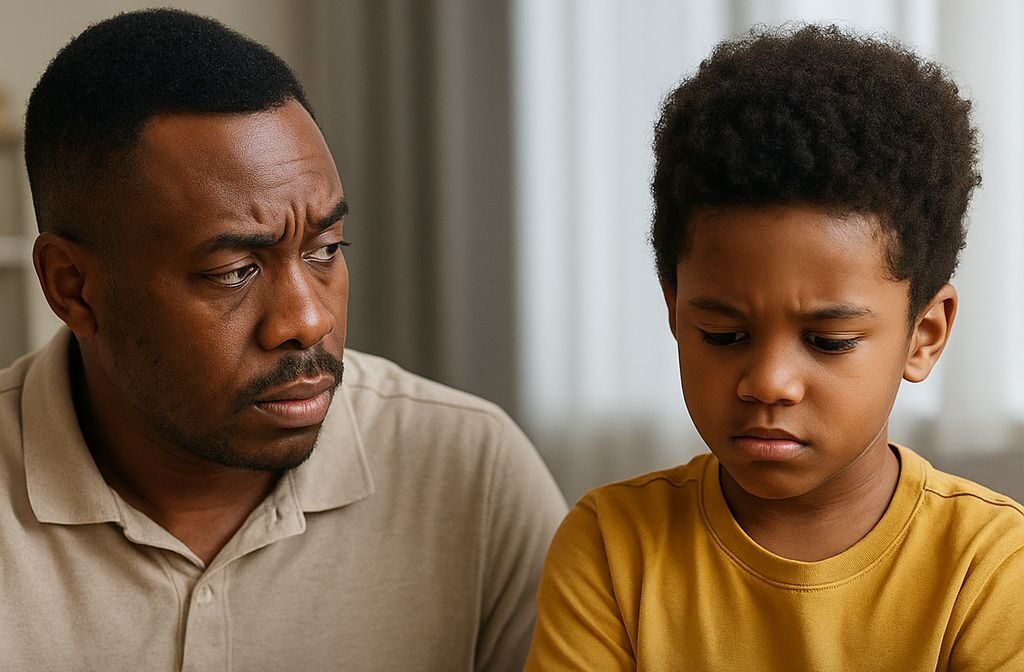
If your child often seems distracted, impulsive, hyperactive, or struggles with attention and focus — you might be wondering if they have ADHD. For many Nigerian parents raising children in the UK, understanding the signs and getting the right support early can make a huge difference in your child’s education and wellbeing.
🇬🇧 What is ADHD?
ADHD (Attention Deficit Hyperactivity Disorder) is one of the most common neurodevelopmental conditions in children. According to the NHS, it affects around 3–5% of school-aged children in the UK, and it may continue into adulthood.
ADHD is usually identified by three main types of behaviours:
- Inattention (difficulty concentrating, forgetfulness)
- Hyperactivity (excessive movement or fidgeting)
- Impulsivity (acting without thinking)
👩🏾⚕️ Step 1: Speak to Your GP
If your child is at least 4 years old and shows ongoing signs of hyperactivity, poor focus, or impulsivity — your first step should be a visit to your GP (General Practitioner). NHS GPs play a key role in referring children for further assessment.
Be ready to discuss:
- Specific examples of your child’s behaviour at home and school
- Any concerns raised by teachers or carers
- Your child’s medical and developmental history
You may also be asked to complete behavioural questionnaires (e.g., Conners or SNAP assessments) — and your child’s school may need to provide reports too.
🏫 Signs Must Be Seen in Multiple Settings
According to the NICE guidelines followed by the NHS:
- Symptoms must be present in more than one setting (e.g. home and school)
- Symptoms must cause significant problems with learning, behaviour, or social interaction
❗ Just because a child is energetic or distracted at home doesn’t necessarily mean they have ADHD — it may be due to stress, parenting styles, school environment, or cultural differences in expectations.
🔍 Ruling Out Other Conditions
Some children may show ADHD-like symptoms due to other issues like:
- Learning difficulties
- Autism
- Anxiety or depression
- Speech and language delays
- Hearing or vision problems
A thorough assessment will help rule out or identify any of these concerns. This may involve speech and language therapy, hearing tests, or educational psychology assessments.
💊 What Treatment Looks Like (Based on NHS Guidance)
For Ages 4–5:
- Parenting support and behavioural programmes (like Triple P or Incredible Years)
- School-based interventions and structured routines
- Medication is only considered if symptoms are severe and behavioural support hasn’t helped
For Ages 6–17:
- Combined approach: Behavioural support, school intervention plans (IEP or SEN support), and possibly medication
- Medication options include:
- Methylphenidate (e.g. Ritalin)
- Lisdexamfetamine
- Atomoxetine
- Guanfacine
- Regular monitoring by your GP, paediatrician, or CAMHS (Child and Adolescent Mental Health Services)
💬 Teenagers should be involved in treatment decisions as part of their transition to managing their own health.
🔄 Ongoing Support & Reviews
ADHD is not a one-time diagnosis — it requires ongoing support, especially during transitions (like moving to secondary school or starting college). The NHS recommends:
- Regular check-ins with your GP or specialist
- Monitoring for side effects if medication is used
- Updates to school plans as your child grows
👨🏾👩🏾👧🏾👦 For Nigerian Parents in the UK
Many African parents were raised with different expectations around discipline and behaviour, and may hesitate to seek help. But remember:
🎯 ADHD is not a result of poor parenting.
🧠 It’s a medical condition — and early support can empower your child to succeed in school, at home, and in life.
You’re not alone — schools, NHS services, and community groups are here to help.
📞 Need Support?
- Talk to your GP about concerns.
- Ask your child’s school SENCO for help.
- Access resources via YoungMinds or ADHD Foundation UK.
- For cultural parenting guidance, check out local Nigerian parenting forums and churches offering family support.
🧡 Let’s raise confident, supported, and thriving children — together.
#NaijaUKConnect #NigerianParentsInUK #ADHDUK #ChildMentalHealth
✅ Read More Helpful Guides:
👉 https://naijaukconnect.co.uk
Join Our WhatsApp Channel
Stay updated on the latest UK news, including education, health, job openings, and more for those living in the UK!
Join here: Naija UK Channel
Also, follow us on our social media channels for the latest updates and discussions:
- Twitter: @NaijaUKConnect
- Facebook: Naija UK Connect
- Instagram: @naijaukconnect