
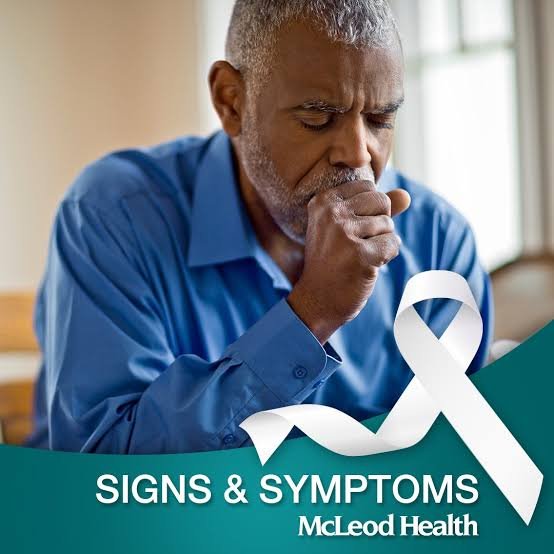
Lung Cancer Awareness Month: 5 Warning Signs You Should Never Ignore
Lung Cancer Awareness Month takes place in November, providing an important opportunity to raise awareness of lung cancer, recognise its possible symptoms and encourage people to seek medical advice early.
Lung cancer is a serious condition, but recognising the warning signs and getting checked promptly can make an important difference. Some symptoms may initially seem like an ordinary cough, a recurring chest infection or general breathing difficulties. However, when these problems persist or become worse, they should not be ignored.
This November, Lung Cancer Awareness Month is a reminder to pay attention to changes in your health and speak to a healthcare professional if something does not feel right.
5 Common Symptoms of Lung Cancer to Look Out For
Lung cancer can cause different symptoms, depending on how it develops and affects the body. Here are five warning signs worth knowing.
1. A Persistent Cough That Does Not Go Away
A cough that lasts longer than three weeks, does not improve or gradually becomes worse should be checked by a healthcare professional.
Many everyday conditions can cause coughing, but a persistent or changing cough may sometimes be a sign of an underlying health problem, including lung cancer.
If you have had a cough for several weeks, do not simply assume it will eventually disappear.
2. Chest Infections That Keep Coming Back
Repeated chest infections may be another warning sign.
If you frequently experience chest infections or find that they keep returning, it is important to discuss this with your GP. Recurring infections do not automatically mean you have lung cancer, but persistent or repeated symptoms deserve medical attention.
3. Coughing Up Blood
Coughing up blood, even in small amounts, should never be ignored.
Although there are several possible causes, coughing up blood can be a symptom of lung cancer and requires urgent medical assessment.
Contact your GP urgently or seek immediate medical advice through NHS 111. If you are coughing up more than a few spots or streaks of blood, or have difficulty breathing or chest pain, call 999 or attend A&E.
4. Constant Breathlessness
Feeling breathless regularly, especially when doing activities that previously caused no difficulty, is another symptom to watch.
Persistent breathlessness can have several causes, including lung and heart conditions. If you notice a change in your breathing or regularly struggle to catch your breath, arrange a medical assessment.
Do not dismiss ongoing breathing difficulties as simply getting older or being unfit.
5. Chest or Shoulder Pain
Persistent pain in the chest or shoulder can sometimes be associated with lung cancer.
The pain may be noticeable when breathing, coughing or moving. However, chest and shoulder pain can also result from many other conditions.
If you experience unexplained or ongoing pain, speak to your GP. Sudden or severe chest pain, particularly when accompanied by breathing difficulties, requires emergency medical attention.
When Should You Contact Your GP?
You should arrange an appointment with your GP if you experience any of the symptoms listed above, particularly if they persist, become worse or are unusual for you.
You do not need to wait until symptoms become severe before seeking help.
It is important to remember that having one or more of these symptoms does not necessarily mean you have lung cancer. Many common and treatable conditions can cause similar problems.
However, getting checked is important because early investigation can help identify the cause and ensure that appropriate treatment is considered as soon as possible.
Can Lung Cancer Be Detected Early?
Early detection can improve the chances of receiving treatment before lung cancer progresses.
If your GP is concerned about your symptoms, they may arrange further investigations, which could include a chest X-ray or other tests. Depending on the findings, you may be referred to a specialist for further assessment.
Some people at higher risk may also be eligible for NHS lung cancer screening through targeted programmes. Your GP or local NHS service can advise whether screening is available and appropriate for you.
Why Lung Cancer Awareness Month Matters
Lung Cancer Awareness Month is about more than highlighting a disease. It encourages people to understand the symptoms, recognise changes in their bodies and feel confident about seeking medical advice.
It also helps challenge the misconception that lung cancer only affects people who smoke. Although smoking is a major risk factor, people who have never smoked can also develop lung cancer.
Awareness, timely medical assessment and access to appropriate care all play important roles in improving outcomes.
Do Not Ignore the Warning Signs
This November, take a moment to check in with your health and encourage friends and family members to do the same.
Look out for these five common symptoms:
- A cough lasting longer than three weeks or getting worse.
- Chest infections that keep coming back.
- Coughing up blood.
- Constant or unexplained breathlessness.
- Persistent chest or shoulder pain.
If you notice any of these symptoms, contact your GP or seek appropriate medical advice.
It could be nothing serious, but if it is cancer, finding it early can make a difference.
Your health matters. Do not ignore the warning signs.
This article is for general awareness and does not replace professional medical advice. If you are concerned about symptoms, contact a healthcare professional. For life-threatening symptoms, call 999 in the UK.
Join Naija UK Connect
Stay updated with the latest UK visa sponsorship jobs, relocation opportunities, and career guides tailored for Nigerians through Naija UK Connect.
Join here: Naija UK Channel
Also, follow us on our social media channels for the latest updates and discussions:
Twitter: @NaijaUKConnect
Facebook: Naija UK Connect
Instagram: @naijaukconnect