
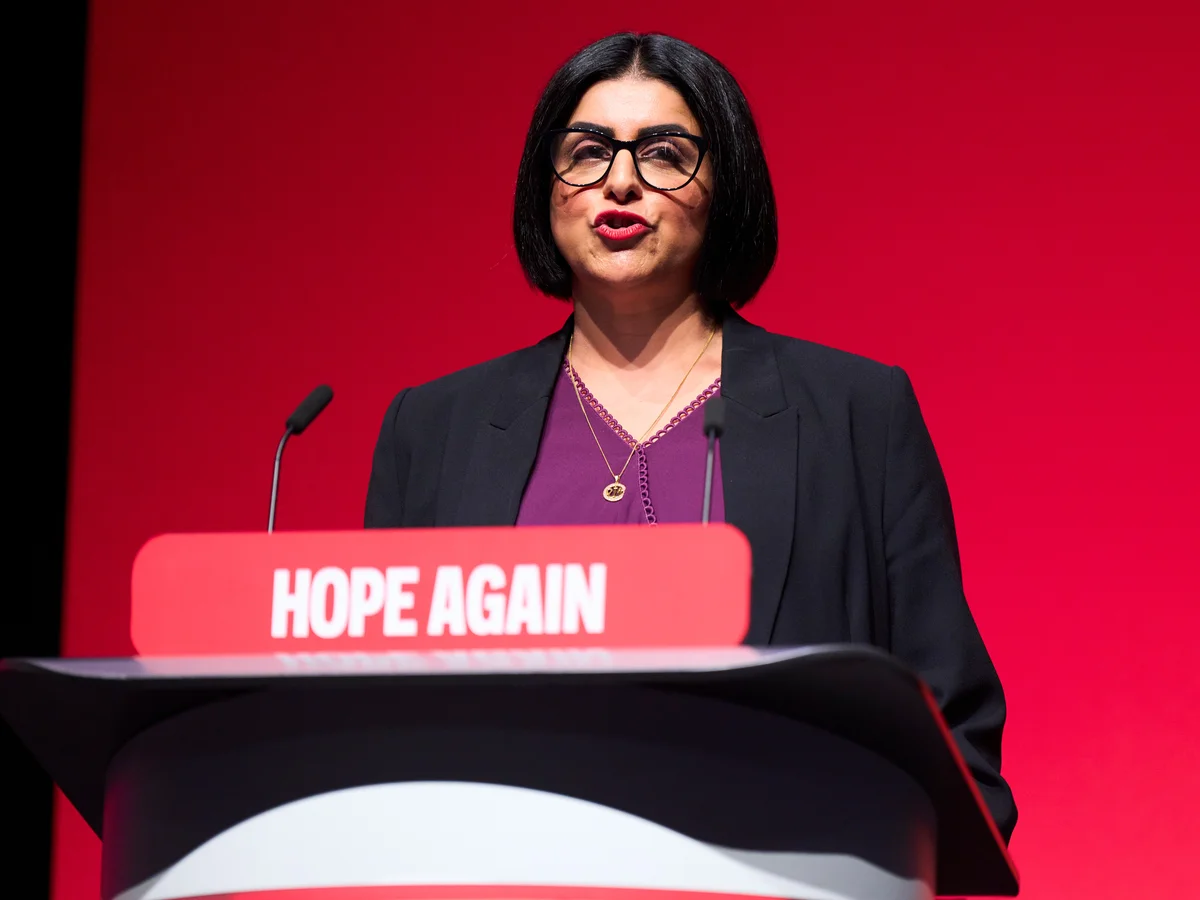
UK Scraps 15-Year Settlement Wait for Eligible Migrant Care Workers – Shabana Mahmood Announces Major Immigration U-Turn
Thousands of migrant care workers in the United Kingdom have received significant immigration news after Home Secretary Shabana Mahmood announced changes to the government’s proposed earned settlement reforms.
In a major concession following opposition from Labour MPs, cabinet ministers, trade unions and care sector organisations, the government has dropped its proposed 15-year settlement pathway for eligible care workers.
Under the revised arrangements announced on 2 November 2026, qualifying care workers earning at least £25,000 annually may be able to apply for Indefinite Leave to Remain (ILR) after five years in the UK, rather than waiting up to 15 years under the original proposal.
The announcement will be particularly important for Nigerians and other migrant care professionals who moved to the UK to work in the health and social care sector and have been concerned about how the proposed immigration changes could affect their future settlement plans.
However, the government has not abandoned its wider earned settlement reforms. Most other migrants will still face a longer qualifying period of 10 years instead of the current five-year route.
What Has Changed in the UK Settlement Rules?
The original earned settlement proposals, introduced by the government under Shabana Mahmood, sought to increase the standard qualifying period for permanent settlement from five years to 10 years.
Some workers in occupations below degree level, including care workers and senior care workers, were facing a proposed 15-year waiting period.
The proposals also raised concerns because they were intended to affect some migrants who were already living and working in the UK.
Following considerable opposition, the Home Secretary has revised the plans.
The key changes include:
- Eligible care workers earning at least £25,000 annually may qualify for settlement after five years.
- The proposed 15-year settlement pathway for workers in occupations below RQF Level 6 has been dropped.
- Other workers in occupations below RQF Level 6 will generally follow a 10-year settlement pathway, subject to the relevant requirements.
- Some workers may qualify for settlement sooner through accelerated pathways.
- The standard settlement qualifying period for most migrants will increase from five to 10 years.
The revised arrangements are expected to provide transitional protection for certain existing care workers and other eligible groups.
Who Can Still Apply for ILR After Five Years?
One of the most important parts of the announcement concerns care workers who are already in the UK.
Under the revised proposals, approximately 146,000 care workers and around 136,000 dependants could benefit from the five-year settlement pathway.
Care workers earning at least £25,000 annually may qualify, provided they satisfy the relevant immigration and settlement conditions.
Applicants should also expect requirements relating to:
- Compliance with their visa conditions.
- English language proficiency.
- Criminal record checks.
- National Insurance contributions and tax records.
- Other applicable settlement eligibility requirements.
The five-year route is not an automatic entitlement. Meeting the salary requirement alone does not guarantee ILR.
Applicants must satisfy all the relevant requirements under the revised immigration framework.
What About Care Workers Who Arrived Before May 2025?
The transitional arrangements are particularly important for migrant care workers who arrived in the UK before May 2025.
According to the announcement, some existing workers who do not immediately qualify for the five-year settlement pathway may receive an additional five-year visa, giving them another opportunity to meet the requirements.
This is important because many migrant care workers have already spent several years building their lives in the UK.
Rather than automatically placing all affected workers on the proposed 15-year pathway, the revised approach provides a more favourable route for eligible individuals.
However, applicants should not assume that everyone who arrived before May 2025 automatically qualifies for five-year ILR.
Their occupation, salary, immigration history and compliance with visa conditions will remain important.
Why Did Shabana Mahmood Change Her Position?
The decision follows weeks of criticism from politicians, trade unions, care providers and organisations representing migrant workers.
One of the biggest concerns was the potential effect of the proposed 15-year settlement pathway on Britain’s already pressured social care sector.
Care providers depend on overseas workers to deliver essential services to older people, disabled individuals and others who require daily support.
Extending the settlement period to 15 years could have made the UK less attractive to experienced care professionals and encouraged some existing workers to consider leaving.
Senior Labour figures, including Angela Rayner, raised concerns about applying the proposed changes retrospectively to people who had already moved to Britain under existing immigration arrangements.
Trade unions also warned that longer settlement periods could create uncertainty for migrant workers and worsen recruitment and retention challenges in social care.
The revised announcement represents a significant concession following these concerns.
Will Other Migrants Still Have to Wait 10 Years for ILR?
Yes. The government has retained its wider plan to increase the standard settlement qualifying period from five to 10 years for most migrants.
This means that the changes announced on 2 November should not be interpreted as a complete cancellation of the earned settlement reforms.
Under the revised framework, different groups will have different settlement pathways.
The proposed arrangements include:
1. Eligible Care Workers
Care workers meeting the relevant conditions, including the £25,000 annual salary requirement, may qualify after five years.
2. Other Skilled Workers
Many workers in occupations below RQF Level 6 will generally face a 10-year pathway, rather than the previously proposed 15 years.
3. Higher-Earning Migrants
People earning more than £125,000 annually may qualify for settlement after three years, subject to the relevant requirements.
4. Higher-Paid Skilled Workers and Certain Public Service Professionals
Some workers earning more than £50,271, alongside specified public service professionals such as doctors, nurses and teachers, may qualify after five years.
These routes have their own eligibility conditions and should not be treated as automatic guarantees.
What Does Indefinite Leave to Remain Mean?
Indefinite Leave to Remain, commonly known as ILR, is a form of permanent immigration status in the UK.
It allows eligible individuals to live, work and study in the country without being subject to the usual time restrictions attached to temporary visas.
People with ILR can also access certain public funds and benefits where they meet the relevant eligibility conditions.
ILR is an important step towards British citizenship for individuals who later meet the naturalisation requirements.
For many migrant workers, obtaining ILR provides greater security and stability for themselves and their families.
What Does This Mean for Nigerians Living and Working in the UK?
The announcement is particularly relevant to Nigerians who entered the UK through the Health and Care Worker visa or other eligible work routes.
Many Nigerian care professionals have spent years working in residential homes, nursing homes, domiciliary care services and other social care settings.
Some have also brought their families to the UK and made long-term financial and personal commitments based on the settlement arrangements that existed when they arrived.
The original 15-year proposal created uncertainty about how long some of these workers would need to remain in temporary immigration status.
The revised announcement offers a more favourable prospect for eligible care workers.
However, Nigerian workers should take the following steps:
- Check the occupation listed on their Certificate of Sponsorship.
- Confirm their current visa route and immigration history.
- Review their annual salary and employment arrangements.
- Keep records of National Insurance contributions and tax payments.
- Ensure they remain compliant with their visa conditions.
- Follow official Home Office announcements about implementation and transitional arrangements.
Workers who are approaching their five-year qualifying period should seek appropriate immigration advice before making an ILR application.
Is the New Five-Year Settlement Route Already in Force?
It is important to distinguish between the government’s announcement and the actual implementation of revised Immigration Rules.
The Home Secretary announced the revised earned settlement arrangements on 2 November 2026. The detailed rules, transitional provisions and implementation arrangements must be checked before an individual makes an application.
Existing visa holders should not assume that their current immigration conditions have automatically changed because of the announcement.
Applicants should consult official Home Office guidance and obtain regulated immigration advice where necessary.
For official information, visit:
https://www.gov.uk/indefinite-leave-to-remain
What Happens Next?
The revised settlement framework represents an important development in the UK’s immigration policy.
Although the government continues to pursue longer settlement periods for many migrants, the decision to remove the proposed 15-year pathway for eligible care workers is a significant change.
The government estimates that around 146,000 care workers and 136,000 dependants could benefit from the five-year route.
For thousands of migrant families, the announcement offers renewed hope of achieving permanent residence without facing the lengthy waiting period originally proposed.
However, the wider settlement reforms will continue to affect many other migrant workers, making it important for everyone on a UK work visa to understand the rules that apply to their circumstances.
Final Thoughts
The decision by Shabana Mahmood to revise the proposed settlement rules is welcome news for eligible migrant care workers who feared they could be required to wait up to 15 years before obtaining permanent residence.
For Nigerians and other overseas workers who have contributed to Britain’s health and social care sector, the announcement could make a significant difference to their long-term plans.
Nevertheless, the five-year settlement route comes with conditions, and not every migrant care worker will automatically qualify.
If you are currently working in the UK on a care visa, check your eligibility, keep your immigration records up to date and follow the official guidance before applying for settlement.
Follow Naija UK Connect for the latest UK immigration news, visa updates, settlement changes and opportunities affecting Nigerians living and working in the United Kingdom.
Join Naija UK Connect
Stay updated with the latest UK visa sponsorship jobs, relocation opportunities, and career guides tailored for Nigerians through Naija UK Connect.
Join here: Naija UK Channel
Also, follow us on our social media channels for the latest updates and discussions:
Twitter: @NaijaUKConnect
Facebook: Naija UK Connect
Instagram: @naijaukconnect