
10 Simple Ways to Improve Your Health and Well-Being Every Day
Good health starts with small, consistent habits. From eating balanced meals and staying active to getting enough sleep and looking after your mental well-being, everyday choices can make a meaningful difference to your long-term health.
In today’s busy world, it is easy to put health on the back burner. However, maintaining a healthy lifestyle does not have to be complicated or expensive. Simple changes to your daily routine can help you feel better, maintain your energy and reduce the risk of certain health conditions.
Here are 10 practical ways to improve your health and well-being.
1. Eat a Balanced and Nutritious Diet
A healthy diet provides your body with the nutrients it needs to function properly. Try to include a variety of fruits, vegetables, whole grains, beans, nuts and protein-rich foods in your meals.
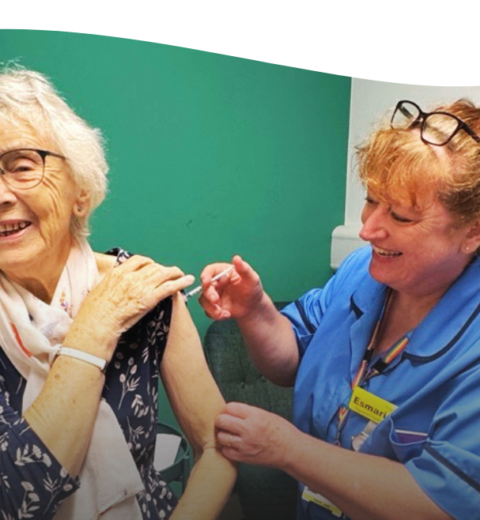
For Nigerian households, nutritious options can include beans, moi moi, vegetables, fish, eggs, whole-grain foods and a variety of fruits. Traditional meals can form part of a healthy diet when prepared with a good balance of ingredients and appropriate portions.
You can improve your eating habits by:
- Eating a variety of fruits and vegetables.
- Choosing whole grains where possible.
- Including healthy sources of protein.
- Limiting excessive salt, added sugar and highly processed foods.
- Paying attention to portion sizes.
You do not need to change everything overnight. Start with one or two manageable improvements and build from there.
2. Drink Enough Water
Water supports important bodily functions, including temperature regulation, digestion and the movement of nutrients around the body.
Your fluid needs depend on factors such as the weather, your activity level and your general health. In hot climates, including much of Nigeria, replacing fluids throughout the day is particularly important.
Keep water available, drink regularly and pay attention to thirst. People who have been advised to restrict fluids because of a medical condition should follow their healthcare professional’s guidance.
3. Make Physical Activity Part of Your Routine
Regular physical activity can support heart health, strengthen muscles and bones, improve mood and help maintain a healthy weight.
You do not necessarily need a gym membership to become more active. Walking, dancing, cycling, gardening and taking the stairs can all contribute to your daily movement.
For most adults, the World Health Organization recommends at least 150–300 minutes of moderate-intensity aerobic activity per week, or an equivalent amount of vigorous activity. Muscle-strengthening activities are also recommended on at least two days per week.
If you have been inactive for a long time, begin gradually and increase your activity as your fitness improves.
4. Get Enough Quality Sleep
Sleep is essential for physical recovery, concentration, memory and emotional well-being. Regularly getting too little sleep can affect your energy, mood and overall health.
Most adults need around seven to nine hours of sleep each night, although individual needs vary.
To improve your sleep:
- Maintain a consistent bedtime and waking time.
- Create a quiet, comfortable sleeping environment.
- Reduce caffeine intake later in the day.
- Limit stimulating activities and screen use before bed.
- Establish a relaxing evening routine.
If sleep problems persist or significantly affect your daily life, consider speaking with a healthcare professional.
5. Look After Your Mental Health
Mental health is an important part of overall well-being. Stress, financial pressure, work demands, family responsibilities and loneliness can affect how you feel and function.
Looking after your mental health may involve taking regular breaks, staying connected with supportive people, exercising, practising relaxation techniques or spending time on activities you enjoy.
It is also important to recognise when you need additional support. If persistent anxiety, low mood or emotional distress is affecting your everyday life, consider speaking with a qualified healthcare professional or counsellor.
Asking for help is a positive step towards better health.
6. Attend Health Checks and Screening Appointments
Preventive healthcare can help identify certain health problems before symptoms become obvious. Depending on your age, medical history and individual risk factors, appropriate checks may include blood pressure measurements, diabetes assessments and recommended cancer screening.
Do not wait until you feel unwell before seeking medical advice. Some conditions, including high blood pressure, may not cause noticeable symptoms in their early stages.
If you live in the UK, you can ask your GP about appropriate health checks and NHS screening programmes. If you live in Nigeria or elsewhere, consult a qualified healthcare provider about locally available services.
Screening recommendations vary, so choose checks that are appropriate for your circumstances.
7. Practise Good Hygiene
Good hygiene helps reduce the spread of infections and supports a healthier home and workplace.
Helpful habits include:
- Washing your hands with soap and water at important times, especially before preparing or eating food and after using the toilet.
- Keeping food preparation surfaces clean.
- Preparing and storing food safely.
- Covering coughs and sneezes.
- Keeping vaccinations up to date in line with local health guidance.
- Staying home when appropriate if you have an infectious illness.
These simple practices can help protect you and the people around you.
8. Avoid Smoking and Limit Alcohol
Smoking increases the risk of serious health conditions, including heart disease, stroke, lung disease and several types of cancer. Avoiding tobacco is one of the most effective ways to protect your long-term health.
Alcohol can also increase health risks, particularly when consumed in large amounts or frequently. Reducing consumption or avoiding alcohol can benefit your health.
If you smoke and want to quit, a healthcare professional or recognised smoking-cessation service can help you explore support options.
9. Build Healthy Relationships and Social Connections
Positive social connections can support emotional well-being and help people cope with life’s challenges.
Make time to connect with friends, family members, colleagues or community groups. A conversation, shared meal, walk or regular check-in can help strengthen relationships.
For people living away from their home country, maintaining connections with family and community can be especially meaningful. However, everyone’s circumstances are different, and it is important to seek relationships and communities where you feel safe and respected.
10. Be Consistent Rather Than Perfect
One of the biggest obstacles to a healthier lifestyle is believing that every change must happen at once.
In reality, small habits that you can maintain are often more useful than ambitious plans that are difficult to sustain.
You could start by walking for 15 minutes, adding vegetables to one meal, drinking water more regularly or going to bed a little earlier.
Choose a realistic goal, repeat it consistently and build on your progress. If you miss a day, simply begin again.
When Should You Seek Medical Advice?
Healthy habits can support general well-being, but they are not a substitute for professional medical care.
Speak with a qualified healthcare professional if you have persistent symptoms, concerns about your health or questions about medicines, screening or lifestyle changes. Seek urgent medical attention for potentially serious symptoms, such as severe difficulty breathing, sudden weakness or sudden chest pain.
Do not delay emergency care while trying home remedies.
Final Thoughts
Improving your health does not require a perfect diet, an expensive fitness programme or a complete lifestyle transformation. It begins with everyday decisions that support your body and mind.
Eating balanced meals, staying active, drinking enough water, sleeping well, maintaining social connections and attending appropriate health checks can all contribute to better well-being.
Start small, stay consistent and make your health a priority. The habits you build today can help support a healthier future.
Health disclaimer: This article provides general educational information and is not a substitute for personalised medical advice, diagnosis or treatment. Consult a qualified healthcare professional for advice suited to your individual needs.
Join Naija UK Connect
Stay updated with the latest UK visa sponsorship jobs, relocation opportunities, and career guides tailored for Nigerians through Naija UK Connect.
Join here: Naija UK Channel
Also, follow us on our social media channels for the latest updates and discussions:
Twitter: @NaijaUKConnect
Facebook: Naija UK Connect
Instagram: @naijaukconnect