
Heatwave: How to Stay Safe During Hot Weather
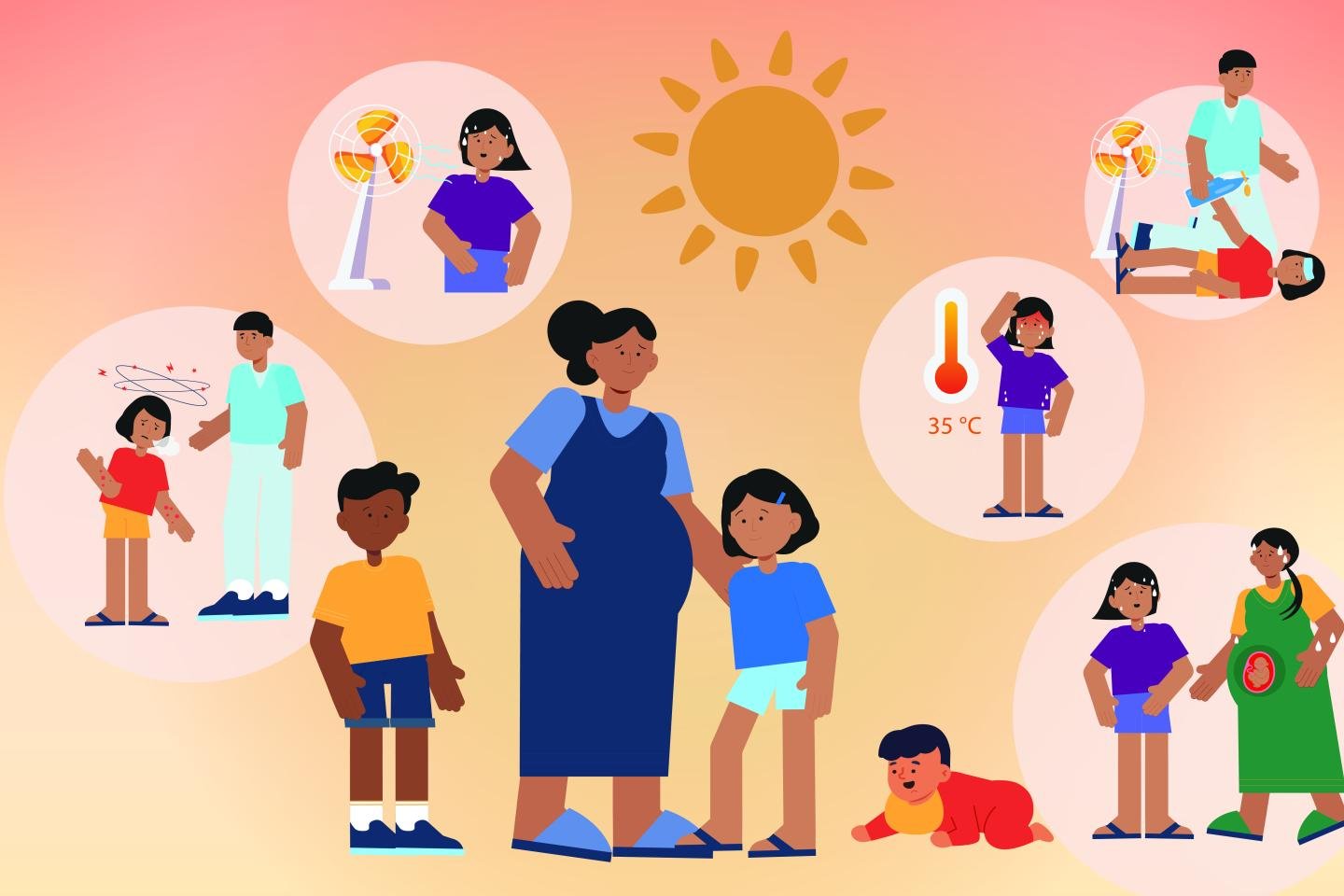
While many of us enjoy warm, sunny days, extreme heat can pose serious health risks. During a heatwave, more people than usual become seriously ill or even die from heat-related conditions. Taking a few simple precautions can help keep you and those around you safe.
Why Are Heatwaves Dangerous?
Hot weather can lead to several health problems, including:
- Dehydration from not drinking enough fluids.
- Overheating, which can worsen existing heart or breathing conditions.
- Heat exhaustion and heatstroke, both of which require prompt attention.
Who Is Most at Risk?
Although anyone can be affected by extreme heat, some people are more vulnerable, including:
- Older adults, especially those aged 65 and over.
- Babies and young children aged 5 years and under.
- Pregnant women.
- People living with long-term health conditions such as heart disease, respiratory illnesses, dementia, diabetes, kidney disease, Parkinson’s disease, mobility issues, mental health conditions, or drug and alcohol dependency.
- People who live alone and may struggle to care for themselves.
- Those taking multiple medications or medicines that increase sensitivity to heat.
- Anyone who is already ill or dehydrated, for example due to diarrhoea or vomiting.
- People experiencing homelessness.
- Those who work outdoors or carry out physically demanding activities, including runners, cyclists, walkers, and manual labourers.
Tips for Staying Cool
Stay Out of the Heat
- Avoid direct sunlight where possible, especially between 11am and 3pm.
- Stay in the shade when outdoors.
- Wear lightweight, loose-fitting clothing and a wide-brimmed hat.
- Apply sunscreen regularly.
- Avoid strenuous exercise during the hottest part of the day.
Keep Your Body Cool
- Drink plenty of water throughout the day.
- Choose cold meals and refreshing drinks.
- Limit alcohol, caffeinated drinks, and hot beverages, as they can contribute to dehydration.
- Take a cool shower or apply cool water to your skin and clothing.
Keep Your Home Cool
- Close windows, curtains, and blinds during the day to block out heat.
- Open windows overnight when the outside temperature drops.
- Electric fans can help if indoor temperatures remain below 35°C.
- Regularly check the temperature in rooms, particularly those occupied by older adults, babies, or anyone at greater risk.
Look Out for Others
Check in on neighbours, friends, and relatives who may be more vulnerable during hot weather to ensure they are safe, cool, and well hydrated.
Know the Signs of Heat-Related Illness
If you or someone else develops a high temperature or feels unwell during hot weather, it could be a sign of heat exhaustion or heatstroke. Seek medical advice promptly if symptoms worsen or do not improve.
Where to Get Help
If excessive heat in your home is affecting your health or someone else’s, your local council’s environmental health team may be able to help. They can inspect rented properties for health hazards, including excessive indoor heat.
For the latest guidance on staying safe during hot weather, visit GOV.UK.
Join Naija UK Connect
Stay updated with the latest UK visa sponsorship jobs, relocation opportunities, and career guides tailored for Nigerians through Naija UK Connect.
Join here: Naija UK Channel
Also, follow us on our social media channels for the latest updates and discussions:
Twitter: @NaijaUKConnect
Facebook: Naija UK Connect
Instagram: @naijaukconnect