
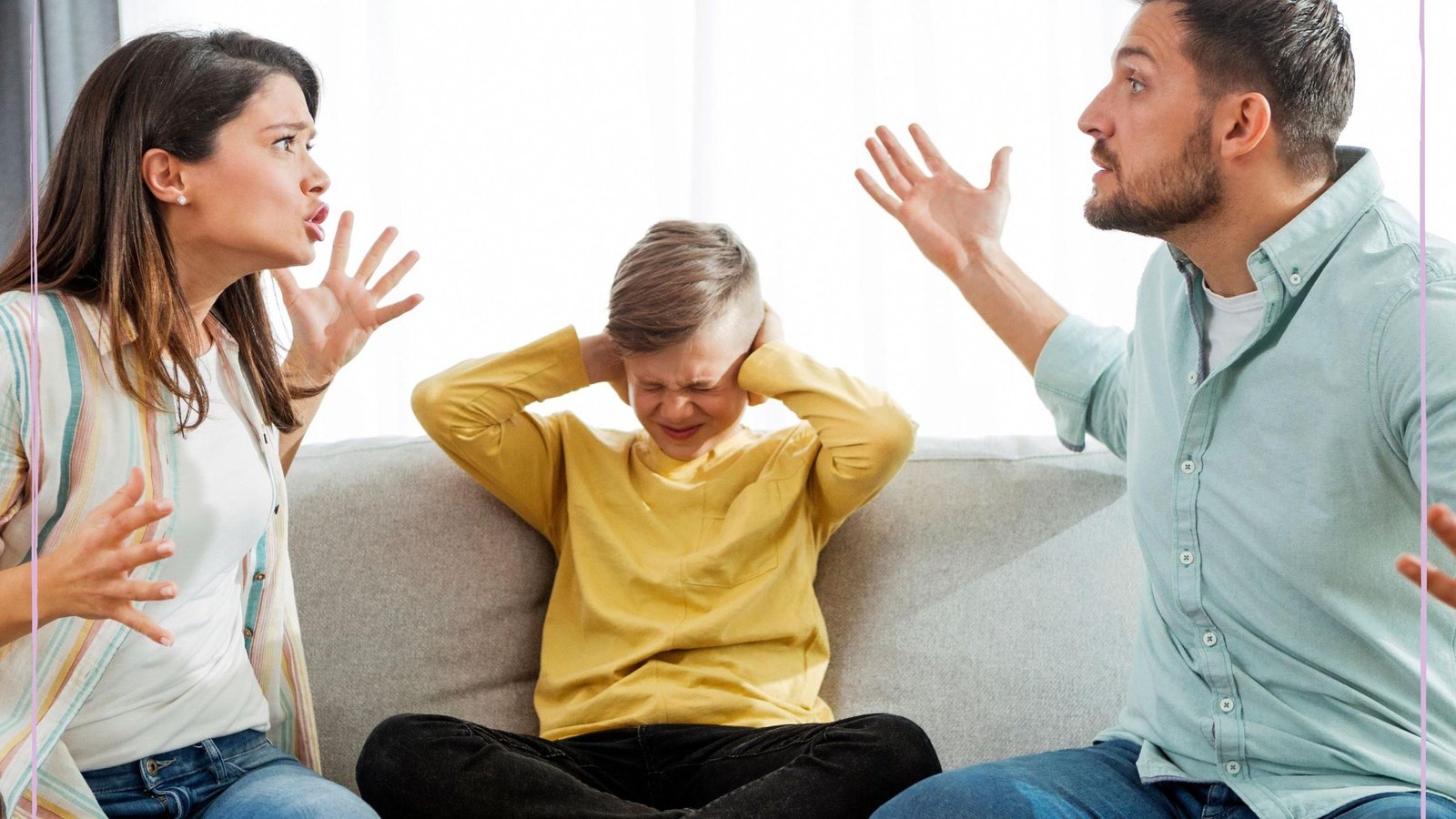
Why You Shouldn’t Share Marriage Problems in Front of Your Children
For many families living in the UK, marriage comes with unique pressures. Between demanding jobs, rising living costs, childcare, immigration concerns, and being far from the support of extended family, it’s easy for stress to build.
When emotions run high, it can be tempting to vent in front of the children—or even confide in an older child because they seem mature enough to understand.
But no matter how grown-up they appear, children should never become witnesses, confidants, or referees in their parents’ marriage.
Here’s why protecting them from adult conflicts matters.
1. Adult Problems Are Too Heavy for Children’s Shoulders
Children often appear calm, mature, and understanding. They may listen quietly or even offer comforting words. But that doesn’t mean they’re emotionally equipped to carry the weight of marital problems.
Marriage involves years of shared experiences, financial pressures, unmet expectations, and complex emotions that children simply cannot process.
Instead of understanding the situation, they often absorb something far more damaging—anxiety.
They may begin to:
- Worry that their family is falling apart.
- Blame themselves for the conflict.
- Feel responsible for fixing problems they didn’t create.
- Constantly fear another argument.
Children deserve the freedom to simply be children—not emotional caretakers.
2. It Forces Them to Choose Sides
When one parent shares intimate details of marital conflict, children naturally begin to see one parent as the “good” parent and the other as the “bad” one.
In reality, relationships are rarely that simple.
This creates an emotional tug-of-war where children feel they must:
- Choose a side to remain loyal.
- Protect one parent from the other.
- Hide affection for one parent to avoid hurting the other.
- Constantly monitor everyone’s emotions to keep peace at home.
No child should ever feel guilty for loving both parents equally.
3. Children Hear More Than We Think
Even when parents lower their voices or avoid saying everything outright, children notice the tension.
They hear:
- The change in tone.
- The silence after an argument.
- The slammed doors.
- The tears.
- The distance between their parents.
Children don’t just hear words—they feel the atmosphere.
Over time, repeated exposure to unresolved conflict can shape how they view relationships.
They may begin to believe that:
- Love is unstable.
- Marriage is something to fear.
- Conflict always leads to emotional pain.
- Trust is fragile.
Those lessons often follow them into adulthood.
4. It Can Make Them Grow Up Too Soon
Some children begin acting like the emotional “adult” in the family.
They comfort a crying parent.
They become the peacemaker.
They suppress their own emotions because they don’t want to add more stress.
This role reversal—sometimes called parentification—can rob children of their childhood.
A child should never feel responsible for holding a family together.
Where Should You Take Your Marriage Problems Instead?
Marriage is hard at times, and everyone needs support.
The goal isn’t to bottle up your emotions—it’s to take them to the right place.
Talk to Another Adult
Speak with someone who has the emotional maturity to help, such as:
- A trusted friend
- A mentor
- A pastor or faith leader
- A qualified marriage counsellor or therapist
Choose someone who offers wisdom rather than simply taking sides.
Write Before You React
When emotions are overwhelming, writing down your thoughts can help you process your feelings before responding in anger.
Journaling often creates the clarity needed for healthier conversations.
Keep Adult Conversations in Adult Spaces
Your marriage belongs between you, your spouse, and the appropriate support system.
Your child should never become:
- Your therapist
- Your best friend
- Your emotional support
- Your messenger
- Your judge
Protecting these boundaries protects their emotional wellbeing.
When Your Children Already Know Something Is Wrong
Children are incredibly observant.
They notice changes in mood, silence at dinner, separate sleeping arrangements, or raised voices.
Instead of pretending everything is fine—or oversharing—offer reassurance without unnecessary details.
You could say:
“Mummy and Daddy are having an adult disagreement right now, but it has nothing to do with you. We both love you very much, and we’re working through it together.”
That’s enough.
Children don’t need to know every detail of adult conflict.
They simply need reassurance that:
- They are loved.
- They are safe.
- They are not responsible.
- The adults are handling the situation.
Final Thoughts
Every marriage faces difficult seasons. Disagreements are part of life, but children should never carry the emotional weight of problems they neither created nor can solve.
By keeping marital conflicts within healthy adult boundaries, we give our children something far more valuable than explanations—we give them security, emotional safety, and the freedom to enjoy their childhood without carrying burdens beyond their years.
One day, they may not remember every disagreement their parents had, but they will remember how safe—or unsafe—they felt growing up. Protecting their peace today can shape the way they build healthy relationships tomorrow.
Join Naija UK Connect
Stay updated with the latest UK visa sponsorship jobs, relocation opportunities, and career guides tailored for Nigerians through Naija UK Connect.
Join here: Naija UK Channel
Also, follow us on our social media channels for the latest updates and discussions:
- Twitter: @NaijaUKConnect
- Facebook: Naija UK Connect
- Instagram: @naijaukconnect