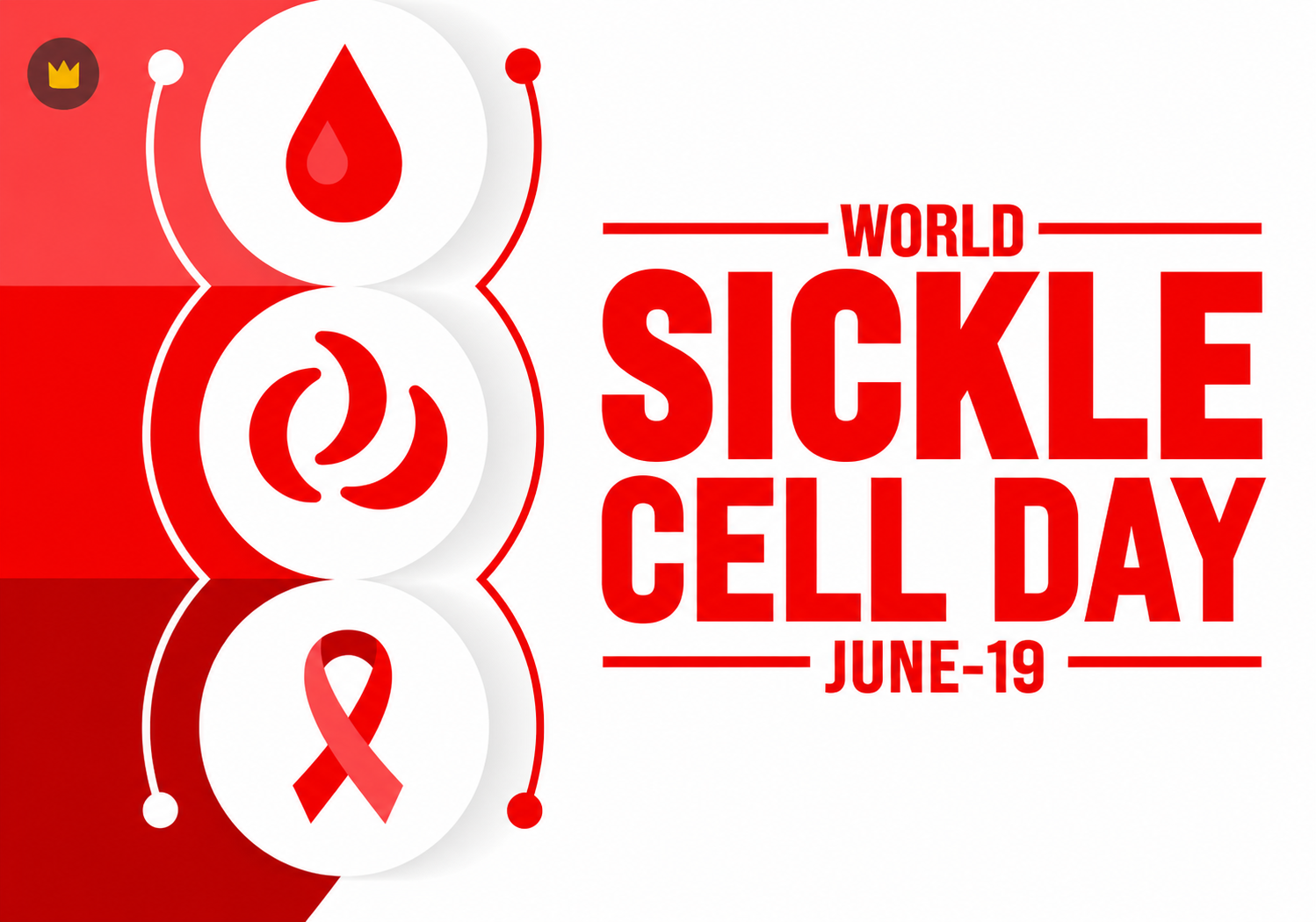
Date: 19 June 2026
Theme: Awareness, Early Diagnosis, Better Care, and Community Support
Every year on 19 June, the world marks World Sickle Cell Day, a United Nations-recognised observance dedicated to raising awareness of Sickle Cell Disease (SCD)—one of the most common inherited blood disorders globally and a major health challenge affecting millions of people, particularly those of African heritage.
For many Africans living in the UK, World Sickle Cell Day is more than a health awareness campaign. It is an opportunity to educate communities, challenge misconceptions, support affected families, and advocate for improved healthcare services.
Why World Sickle Cell Day Matters to Africans in the UK
Sickle Cell Disease is especially prevalent among people with African, Caribbean, Middle Eastern, Mediterranean, and South Asian ancestry. In the UK, thousands of individuals live with SCD, and a significant proportion come from African and Black communities.
According to the NHS, Sickle Cell Disease is one of the UK’s fastest-growing inherited conditions, making awareness and early intervention essential.
Despite medical advances, many people living with SCD continue to face:
- Delayed diagnosis
- Limited public understanding
- Stigma and misconceptions
- Challenges accessing timely treatment
- Disruptions to education, employment, and daily life
World Sickle Cell Day helps bring these issues into public discussion while encouraging greater support for those affected.
Understanding Sickle Cell Disease
Sickle Cell Disease is a genetic blood disorder that affects haemoglobin, the protein in red blood cells responsible for carrying oxygen throughout the body.
In people with SCD, red blood cells can become hard, sticky, and shaped like a crescent or sickle. These abnormal cells can block blood flow, causing:
- Severe pain episodes (sickle cell crises)
- Anaemia
- Increased risk of infections
- Organ damage
- Stroke and other serious complications
SCD is inherited and is not contagious.
Sickle Cell Trait and Family Planning
Many people carry Sickle Cell Trait (SCT) without knowing it. Individuals with SCT usually do not have the disease but can pass the gene to their children.
For African families in the UK, knowing your sickle cell status can be important when planning a family. NHS screening services and genetic counselling can help couples understand potential risks and make informed decisions.
How Africans in the UK Can Mark World Sickle Cell Day
Learn and Share Accurate Information
One of the simplest ways to support the day is by educating yourself and others.
Important facts include:
- Sickle Cell Disease is inherited.
- It cannot be spread from person to person.
- People with SCD can live productive and fulfilling lives with proper care.
- Pain crises are real and can be extremely severe.
- Early diagnosis improves health outcomes.
Sharing reliable information on social media can help reduce stigma and encourage testing.
Support Families Living with SCD
Living with SCD can place emotional, physical, and financial pressures on families.
Simple ways to help include:
- Offering practical support during hospital visits.
- Checking in on affected friends and relatives.
- Helping with childcare or transportation when needed.
- Raising awareness within local African community groups.
Donate Blood If Eligible
Many people with SCD rely on blood transfusions during treatment.
Blood donation remains one of the most valuable ways to support individuals living with the condition. Diverse blood donors are especially important because closely matched blood types can improve treatment outcomes.
Eligible members of African communities are encouraged to consider donating blood through NHS Blood and Transplant services.
Attend Community Events
Across the UK, hospitals, charities, universities, and community organisations host awareness events, educational workshops, and health talks during World Sickle Cell Day.
These events provide opportunities to:
- Learn from healthcare professionals.
- Hear experiences from people living with SCD.
- Access screening and health information.
- Connect with support networks.
Progress in Treatment and Research
Advances in healthcare have significantly improved outcomes for people living with SCD.
Treatment options may include:
- Preventive healthcare
- Vaccinations
- Pain management plans
- Blood transfusions
- Hydroxyurea therapy
- Specialist care programmes
Emerging treatments, including gene-based therapies, are offering new hope for the future, although access and affordability remain important challenges globally.
The History of World Sickle Cell Day
World Sickle Cell Day was established following a United Nations General Assembly resolution in 2008, recognising sickle cell disease as a major global public health issue.
The observance was created to promote:
- Public awareness
- Early diagnosis
- Improved healthcare access
- Research and innovation
- Support for affected individuals and families
Since then, the day has become an important platform for advocacy and education worldwide.
A Message for the African Community in the UK
World Sickle Cell Day is a reminder that awareness saves lives. Through education, testing, community support, and improved healthcare access, African communities in the UK can play a vital role in reducing the impact of Sickle Cell Disease.
Whether by sharing information, donating blood, attending awareness events, or supporting affected families, every action contributes to a future where people living with SCD receive the care, understanding, and opportunities they deserve.
World Sickle Cell Day 2026 is not only about raising awareness—it is about building stronger, healthier, and more informed communities across the UK.
Join Naija UK Connect
Stay updated with the latest UK visa sponsorship jobs, relocation opportunities, and career guides tailored for Nigerians through Naija UK Connect.
Join here: Naija UK Channel
Also, follow us on our social media channels for the latest updates and discussions:
- Twitter: @NaijaUKConnect
- Facebook: Naija UK Connect
- Instagram: @naijaukconnect