
Published: June 8, 2026
Category: Environment & Sustainability
By Naija UK Connect
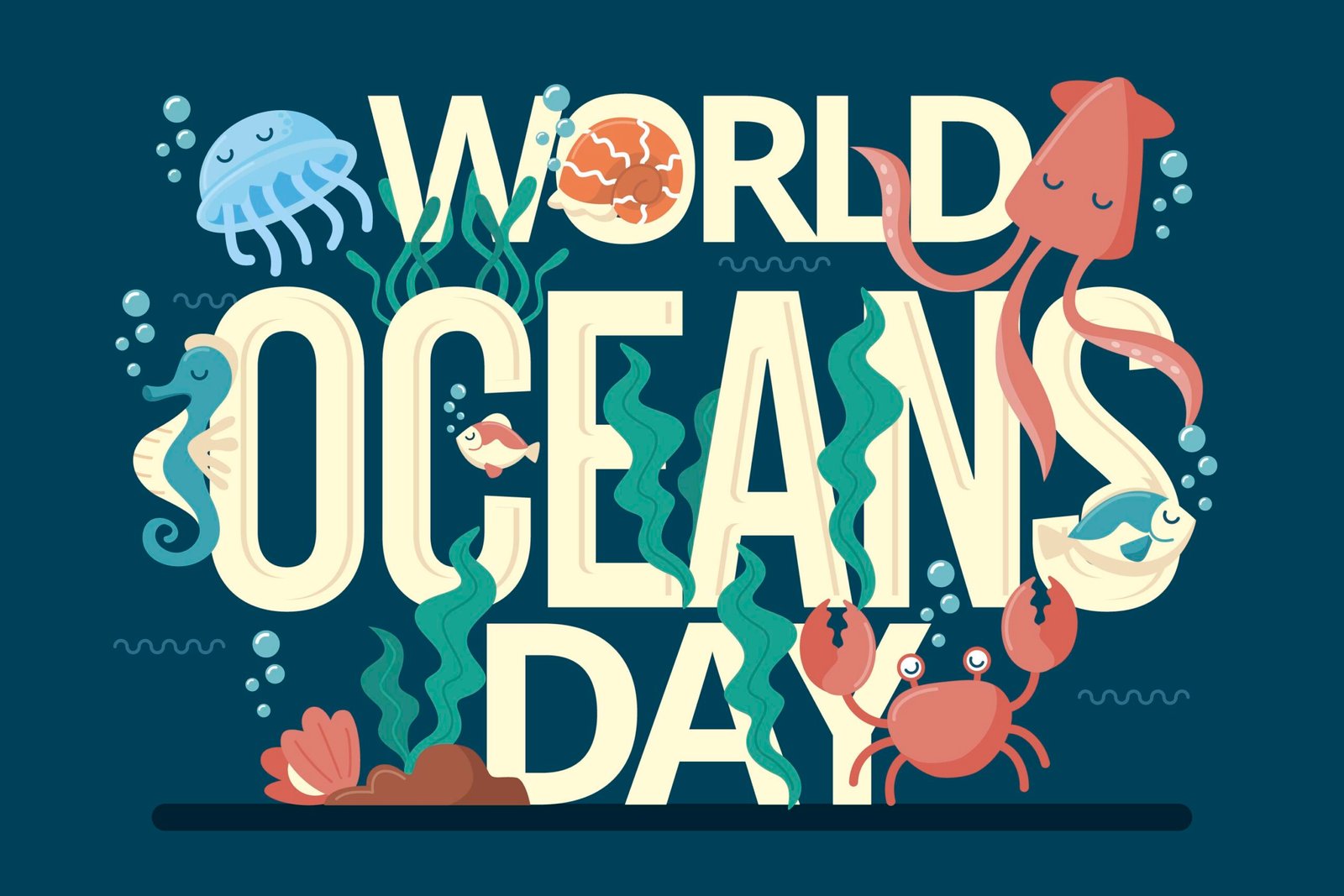
Every year on June 8, people around the world celebrate World Oceans Day, a global event dedicated to raising awareness about the importance of our oceans and the need to protect them for future generations.
For Africans living in the UK, World Oceans Day is a reminder that the health of the oceans affects everyone—whether through climate change, food security, international trade, employment, or the environment we leave behind for our children.
Why World Oceans Day Matters
Oceans cover approximately 66% of the Earth’s surface and are essential for life on our planet. They produce a significant portion of the oxygen we breathe, regulate global temperatures, support biodiversity, and facilitate international trade.
From the ports of Lagos and Accra to London, Southampton, and Liverpool, oceans connect communities, economies, and cultures across continents. Every day, millions of products consumed in the UK travel through international shipping routes that depend on healthy and navigable oceans.
Why Africans in the UK Should Pay Attention
Many African countries have extensive coastlines and depend heavily on marine resources for fishing, tourism, and trade. Environmental challenges affecting the oceans can have direct consequences for families and communities across Africa and the African diaspora.
Issues such as:
- Plastic pollution
- Overfishing
- Rising sea levels
- Coastal erosion
- Climate change
- Marine biodiversity loss
continue to impact livelihoods and ecosystems worldwide.
For Africans living in the UK, supporting sustainable practices helps protect both local British environments and communities back home.
Amazing Facts About Our Oceans
Oceans Produce Much of the Oxygen We Breathe
Tiny marine plants known as phytoplankton generate an estimated 40–50% of the world’s oxygen, making the oceans one of Earth’s most important life-support systems.
Global Trade Depends on the Sea
Around 80–90% of global trade is transported by sea. From food products to electronics and clothing, international shipping remains the backbone of the global economy.
Coral Reefs Support Marine Life
Although coral reefs cover less than 1% of the ocean floor, they provide habitat for roughly 25% of all marine species, making them some of the most biodiverse ecosystems on Earth.
The Deep Ocean Remains Largely Unexplored
Scientists estimate that millions of marine species may still be undiscovered, especially in the deep ocean, one of the least explored environments on the planet.
The Ocean Helps Fight Climate Change
Oceans absorb vast amounts of carbon dioxide and heat, helping to regulate Earth’s climate and reduce the impacts of global warming.
The Growing Challenge of Plastic Pollution
One of the biggest threats facing marine ecosystems today is plastic waste.
Experts estimate that approximately 13 million tonnes of plastic enter the oceans each year, harming marine wildlife and contaminating ecosystems.
Single-use plastics such as:
- Plastic bags
- Bottles
- Straws
- Food packaging
often end up in rivers and oceans where they can persist for decades.
Reducing plastic use and increasing recycling efforts are simple but effective ways individuals can contribute to ocean conservation.
How Africans in the UK Can Celebrate World Oceans Day
Visit the Coast
The UK has beautiful coastal destinations that provide opportunities to learn about marine conservation while enjoying nature.
Join a Beach Clean-Up
Many local councils, environmental groups, and charities organise beach clean-up events across the UK during World Oceans Day.
Reduce Single-Use Plastics
Switching to reusable shopping bags, water bottles, and food containers can significantly reduce plastic waste.
Educate Family and Friends
Use World Oceans Day as an opportunity to discuss environmental responsibility and sustainable living with your community.
Support Sustainable Seafood
Choose seafood products that are responsibly sourced to help reduce pressure on overfished marine species.
The History of World Oceans Day
The idea for World Oceans Day was first proposed by Canada during the 1992 Earth Summit in Rio de Janeiro, Brazil. The goal was to celebrate humanity’s connection to the ocean while raising awareness of environmental challenges facing marine ecosystems.
In 2008, the United Nations officially recognised World Oceans Day, and the first UN-recognised celebration took place in 2009 under the theme:
“Our Oceans, Our Responsibilities.”
Since then, the event has grown into a global movement involving governments, schools, businesses, environmental organisations, and communities worldwide.
Final Thoughts
World Oceans Day is more than a celebration—it’s a call to action. Healthy oceans support livelihoods, protect biodiversity, drive global trade, and help combat climate change.
For Africans in the UK, this day offers an opportunity to reflect on our shared responsibility to protect the world’s oceans for future generations, both in the UK and across Africa.
By making small changes in our daily lives and supporting sustainable practices, we can all contribute to cleaner, healthier oceans and a more sustainable future.
Happy World Oceans Day 2026 from Naija UK Connect! 🌊🌍🐟
Join Naija UK Connect
Stay updated with the latest UK visa sponsorship jobs, relocation opportunities, and career guides tailored for Nigerians through Naija UK Connect.
Join here: Naija UK Channel
Also, follow us on our social media channels for the latest updates and discussions:
- Twitter: @NaijaUKConnect
- Facebook: Naija UK Connect
- Instagram: @naijaukconnect