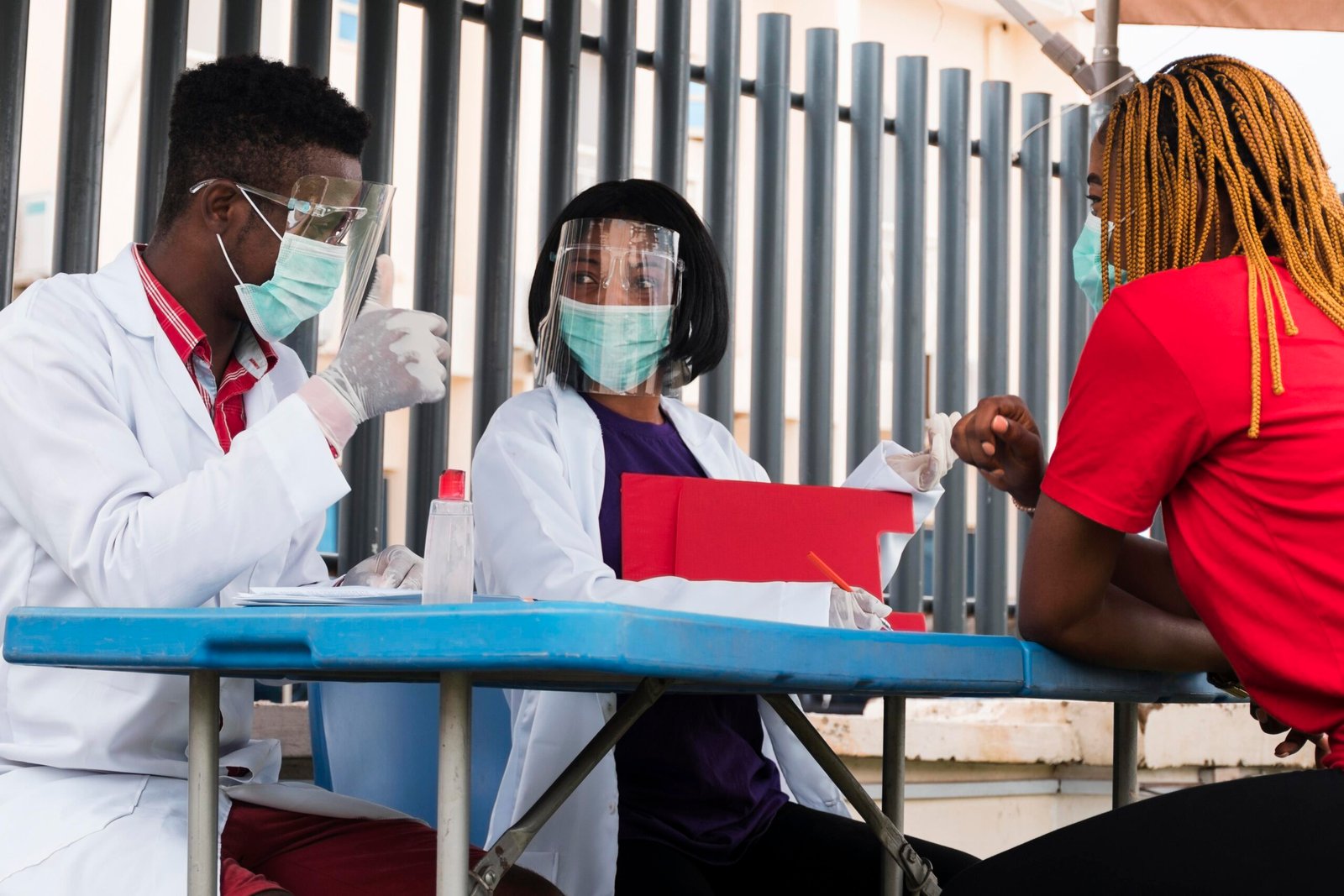
For over 400,000 people worldwide, something as small as a paper cut or minor fall can become dangerous—or even life-threatening. This is due to a rare blood disorder known as hemophilia, a condition that deserves more awareness within African communities in the UK.
📅 When is World Hemophilia Day?
Every year on April 17, communities around the world come together to raise awareness, advocate for better care, and support people living with bleeding disorders.
🩸 Why This Matters for Africans in the UK
In many African communities, including Nigerians in the UK, health conditions like hemophilia are often misunderstood, underdiagnosed, or surrounded by stigma. Some families may not even realize that repeated bleeding, excessive bruising, or prolonged bleeding after minor injuries could be signs of an inherited condition.
Access to healthcare in the UK is far better than in many parts of Africa, but awareness is still key. Early diagnosis and proper management can significantly improve quality of life.
🧬 What is Hemophilia?
Hemophilia is a genetic condition where the blood doesn’t clot properly due to missing or faulty clotting factors.
- Hemophilia A: Missing clotting factor VIII
- Hemophilia B: Missing clotting factor IX
Without these, bleeding can last longer than normal and may occur internally, especially in joints and muscles.
⚠️ Signs to Watch For
If you or someone in your family experiences the following, it’s worth speaking to a GP:
- Frequent nosebleeds
- Easy bruising
- Prolonged bleeding from cuts
- Painful swelling in joints
- Heavy menstrual bleeding (often overlooked in women)
👩🏾🦱 Not Just a “Male Disease”
While hemophilia mostly affects males, women can be carriers and may also experience symptoms. This is especially important in African households where women’s health concerns are sometimes dismissed or normalized.
🌍 A Global Issue, A Community Responsibility
Hemophilia affects people of all races and backgrounds, including Africans. However, in lower-income countries, access to treatment is still limited. This is why global awareness days like this matter—they highlight inequalities and push for better access to care.
🏥 Treatment & Hope
There is currently no cure, but treatment has come a long way:
- Regular clotting factor replacement therapy
- Preventive (prophylactic) treatment
- Emerging gene therapy options
With proper care, many people with hemophilia live full, active lives.
🤝 How You Can Get Involved (Naija UK Connect Community)
- Start conversations: Talk about genetic conditions openly in your circles
- Support awareness: Share posts using hashtags like #WorldHemophiliaDay and #AccessForAll
- Encourage testing: Especially if there’s a family history of unusual bleeding
- Support charities working to improve access in Africa
Even small actions—like sharing information in WhatsApp groups or community forums—can make a big difference.
🕯️ Final Word
In our communities, we often say “health is wealth.” Understanding conditions like hemophilia ensures we protect not just ourselves, but future generations.
Let’s use World Hemophilia Day as a reminder: awareness can save lives.
Join the conversation with Naija UK Connect and help spread awareness across our community.
Join Our WhatsApp Channel
Stay updated on the latest UK news, including education, health, job openings, and more for those living in the UK!
Join here: Naija UK Channel
Also, follow us on our social media channels for the latest updates and discussions:
- Twitter: @NaijaUKConnect
- Facebook: Naija UK Connect
- Instagram: @naijaukconnect