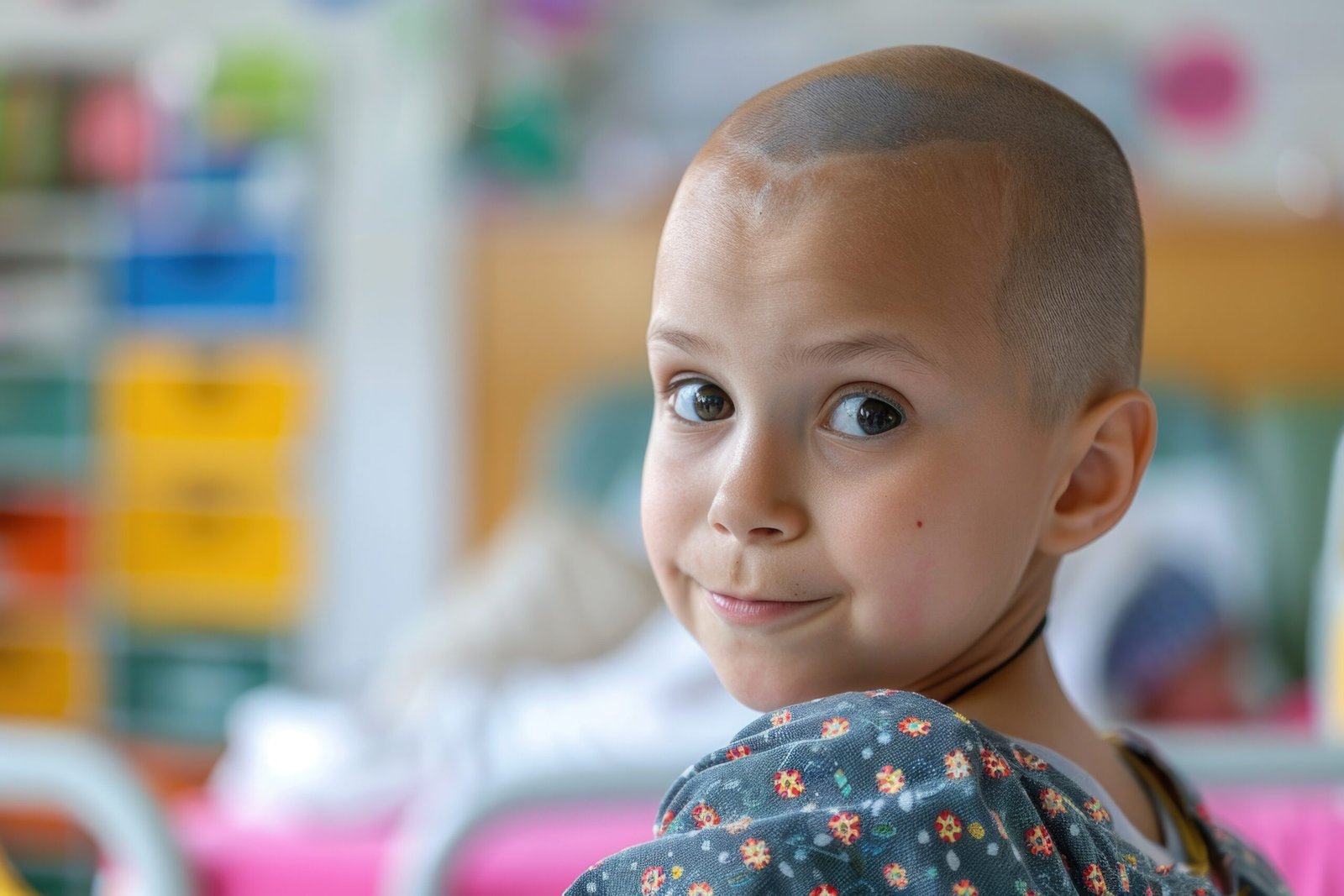
Children with Alopecia Day shines a light on young people navigating sudden hair loss—something that can feel especially significant in African communities, where hair is deeply tied to culture, identity, and self-expression.
For many children, it begins quietly. A patch appears. Hair starts shedding on pillows or during grooming. For others, it progresses quickly—affecting eyebrows, eyelashes, or the entire scalp.
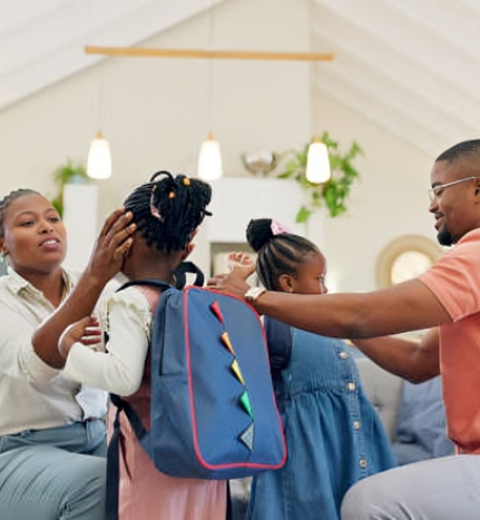
In African households, where haircare routines, braiding, barbing, and “looking neat” are part of daily life, this change can feel even more visible. A child may suddenly feel different at school, church, or community gatherings.
When is it observed?
Every April 14th
A day to raise awareness, build understanding, and support children living with alopecia across communities—including African and Caribbean families in the UK.
Why it matters in our community
In many African cultures, hair is more than appearance:
- It reflects identity and pride
- It connects to tradition (braids, cornrows, threading, fades)
- It plays a role in social confidence
So when a child loses their hair, it’s not just physical—it can affect:
- Confidence at school
- Participation in social events
- Cultural belonging
Children may:
- Avoid social spaces
- Feel uncomfortable answering questions
- Be teased or misunderstood
That’s why awareness in our diaspora communities is so important.
Supporting children with alopecia
Parents, aunties, uncles, and caregivers often want to help—but may not always know how, especially while balancing:
- NHS appointments
- School communication
- Emotional support at home
The key is not just encouragement—but understanding, patience, and community.
How to observe Children with Alopecia Day (UK African communities)
💬 1. Create safe conversations at home
Talk openly with your children about alopecia:
- It is not contagious
- It can happen to anyone
- It does not change who someone is
Use simple language and relate it to empathy:
“How would you want people to treat you if it were you?”
🏫 2. Work with schools
Many African parents in the UK are very engaged in education—this is a great opportunity to:
- Inform teachers about alopecia
- Ensure anti-bullying policies are enforced
- Advocate for flexibility (e.g., hats, headwraps, wigs)
Remind schools that uniform policies should not exclude medical needs.
🧕🏾 3. Respect cultural head coverings
In African communities, headwraps (gele, scarves) are already part of culture.
Children with alopecia can:
- Wear headwraps confidently
- Use wigs or go natural
- Choose what feels right for them
The goal is choice, not pressure.
❤️ 4. Encourage confidence—not pity
Avoid statements like:
- “It’s only hair”
Instead say:
- “You’re still you”
- “You can decide what makes you comfortable”
Celebrate:
- Personality
- Talents
- Strength
🎗️ 5. Show visible support
Families and community groups can:
- Wear blue or headscarves
- Share messages on WhatsApp groups or community pages
- Talk about inclusion at church, mosque, or community events
Even small gestures matter.
💷 6. Support relevant organisations
Consider supporting groups that help children with alopecia, including:
- Children’s Alopecia Project
- Wigs for Kids
In the UK, you can also look for:
- Local NHS dermatology support services
- Community-based support groups
🎁 7. Build comfort kits (community idea)
Perfect for African associations or church groups:
- Soft headwraps or beanies
- Gentle skincare items
- Encouragement notes
Add a personal touch—community care goes a long way.
A message to African parents in the UK
It’s okay to feel:
- Confused
- Worried
- Even heartbroken
But your child needs:
- Reassurance
- Advocacy
- Normalcy
They are still:
- That same playful child
- That same brilliant student
- That same confident spirit—just navigating something new
The bigger picture
Children with Alopecia Day is about shifting mindset:
- From staring → to understanding
- From pity → to respect
- From isolation → to community
For Africans in the UK, it’s also a chance to:
- Break stigma
- Educate extended family (both in the UK and back home)
- Build stronger, more inclusive communities
Final thought
Hair is powerful in our culture—but it does not define worth.
What truly stands out is:
- Confidence
- Character
- Courage
And every child deserves to feel proud of who they are—hair or no hair.
Join Our WhatsApp Channel
Stay updated on the latest UK news, including education, health, job openings, and more for those living in the UK!
Join here: Naija UK Channel
Also, follow us on our social media channels for the latest updates and discussions:
- Twitter: @NaijaUKConnect
- Facebook: Naija UK Connect
- Instagram: @naijaukconnect