Parents and Carers in the UK, let us talk honestly. Many of us assume that once we reduce chocolates, sweets and sugary drinks, our children’s teeth will be fine. However, life in the UK comes with certain habits and routines that can quietly increase the risk of tooth decay in children.
To avoid long NHS waiting lists or expensive private dental treatment, we need to look beyond obvious sugar sources. Here is a clearer picture of what is really affecting our children’s oral health—and how we can address it.
🛑 The Hidden Culprits
It is not only sweets from the shop that cause dental problems. Several everyday habits contribute:
🍹 The packaged lifestyle
Compared to more natural, home-prepared foods many of us grew up with, UK busy life often leads to frequent consumption of packaged juices, fizzy drinks, and sour sweets. These are highly acidic and can gradually wear down enamel, which is the protective layer of the teeth.
🍪 Frequent snacking
Children who snack continuously on biscuits, cereal bars, and crackers do not give their teeth enough time to recover between meals. This constant exposure to acid increases the risk of decay.
🍚 Starchy foods
Common foods such as rice, bread, yam, pasta and similar staples break down into sugars in the mouth. Bacteria feed on these sugars and produce acid, which leads to tooth decay if not properly cleaned away.
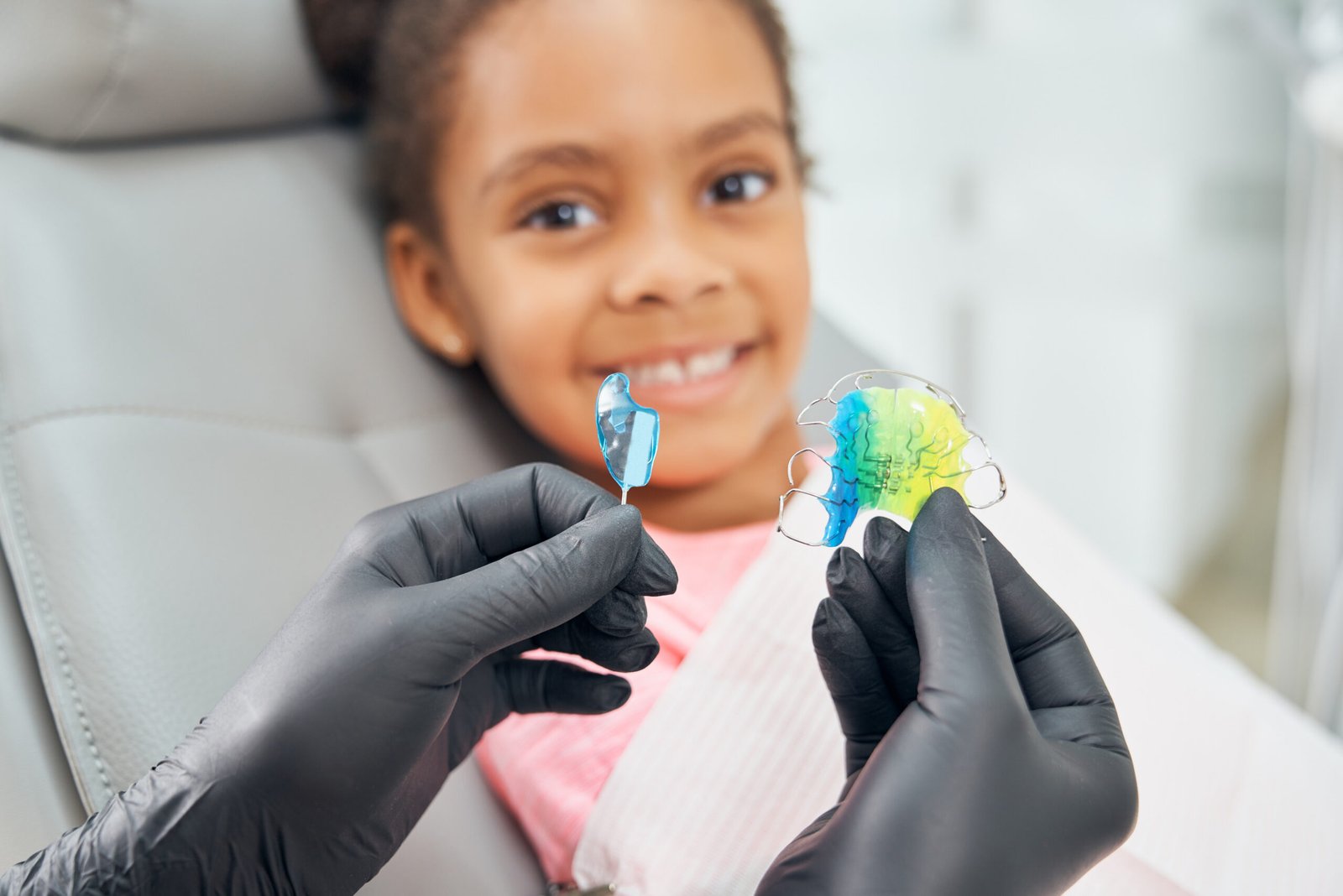
😁 Braces and dental appliances
As more teenagers undergo orthodontic treatment, food can easily get trapped around braces. Without careful and consistent cleaning, decay can develop around these areas even when treatment is ongoing.
🪥 Oral Hygiene: Raising Our Standard
Because diet and lifestyle in the UK are different, good oral hygiene habits are very important.
1. Fluoride is essential
Always use a fluoride toothpaste suitable for your child’s age. Fluoride helps to strengthen the enamel and protect against decay.
2. Proper brushing technique matters
It is not about rushing through brushing, but doing it properly. Ensure children clean:
- The back teeth
- Along the gum line
- All surfaces of each tooth
3. “Spit, don’t rinse”
After brushing, children should spit out the toothpaste but avoid rinsing with water immediately. This allows fluoride to stay on the teeth longer and work more effectively.
🩺 What Parents and Carers Should Do
👨👩👧 Supervise brushing
Children should be supervised while brushing until at least 7–8 years of age to ensure they are doing it properly.
🥤 Watch the snacks and drinks
Reduce:
- Fizzy drinks
- Fruit juices (even natural ones can contain high sugar levels)
Encourage:
- Water
- Milk
📅 Register with a dentist early
Do not wait for pain or problems. NHS dental care is free for children, so regular check-ups should be part of their routine healthcare.
🇳🇬🇬🇧 Final Word
Living in the UK means adapting to new routines, including how we care for our children’s health. Tooth decay is largely preventable when we combine good habits with proper knowledge.
Let us protect our children’s smiles—healthy teeth build confidence and wellbeing for life.
Always follow the advice of your UK dentist and attend regular check-ups.
Join Our WhatsApp Channel
Stay updated on the latest UK news, including education, health, job openings, and more for those living in the UK!
Join here: Naija UK Channel
Also, follow us on our social media channels for the latest updates and discussions:
- Twitter: @NaijaUKConnect
- Facebook: Naija UK Connect
- Instagram: @naijaukconnect