
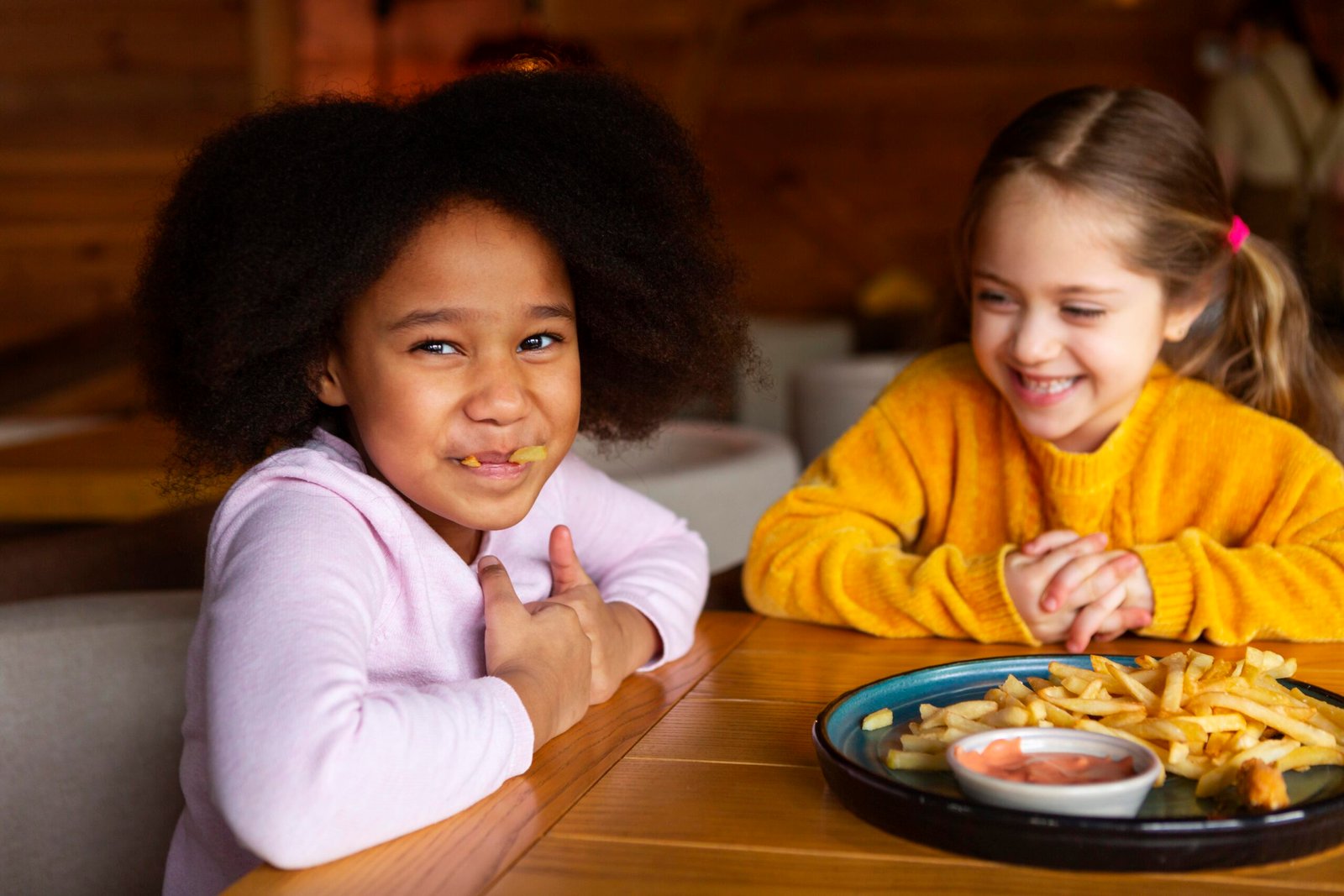
Raising children in the UK comes with its own unique challenges, but nothing tests a Nigerian parent’s patience quite like a child who suddenly refuses Jollof Rice or turns their nose up at Pounded Yam.
For many of us, food is more than nourishment—it is culture, memory, and identity. So when a child becomes “picky,” it can feel personal.
However, child nutrition experts agree that the real goal isn’t to win at the dinner table, but to help children build a healthy, lifelong relationship with food.
Here’s how Nigerian parents in the UK can approach picky eating with less stress and more strategy.
1. Understand the “Why” (It’s Not Always Stubbornness)
In our culture, refusal to eat can easily be labelled as “strong-head” or lack of respect. But between ages 2 and 7, picky eating is a normal developmental stage.
- Independence: Children are learning that they can make choices.
- Sensory Sensitivity: The texture of okra, ogbono, or the spice level of some stews may feel overwhelming, especially for children born or raised in the UK.
- Communication: Sometimes “I don’t want it” simply means “I’m tired,” “I’m overstimulated,” or “I need a break.”
Understanding this reduces frustration and helps you respond calmly.
2. Ditch Force-Feeding and Food Threats
Many of us grew up hearing things like:
“If you don’t finish that food, no TV!” or experiencing force-feeding.
- The Risk: Research shows pressure and threats can create anxiety around food and increase long-term food aversions.
- The Better Way: You decide what is served. Your child decides how much to eat.
This builds trust and helps children learn to listen to their own hunger cues.
3. Re-Introduce Foods the “Naija-British” Way
Children may need to see a food 10–15 times before accepting it.
- Tiny Portions: A small piece of fried plantain or a spoon of egusi beside familiar foods like pasta, rice, or potatoes.
- Different Preparations:
- Yam → roasted yam or yam fries
- Stew → mild tomato sauce with pasta
- Beans → mashed beans or bean wraps
- No Pressure: Let them look, smell, touch, or lick without forcing a bite.
Exposure without stress works.
4. Be the “Oga” Role Model
Children copy what they see.
- Eat a variety of foods yourself—both Nigerian and Western.
- Share meals together when possible.
- Avoid cooking a completely separate “kids-only” menu every day.
If you’re eating rice and beans, let them have a small serving too.
5. Create a Calm Mealtime Atmosphere
UK life can be busy, but mealtime should feel safe and relaxed.
- Keep a simple routine for meals and snacks.
- Turn off TVs and put phones away.
- Avoid lectures about food prices or comparisons with children “back home.”
A calm environment encourages curiosity and appetite.
Naija UK Connect Tip
Your child isn’t being difficult—they are learning to navigate two food cultures at once.
Stay patient. Stay consistent. Keep offering nutritious options. And yes… keep the Jollof coming. 🍚🇳🇬
Join Our WhatsApp Channel
Stay updated on the latest UK news, including education, health, job openings, and more for those living in the UK!
Join here: Naija UK Channel
Also, follow us on our social media channels for the latest updates and discussions:
- Twitter: @NaijaUKConnect
- Facebook: Naija UK Connect
- Instagram: @naijaukconnect