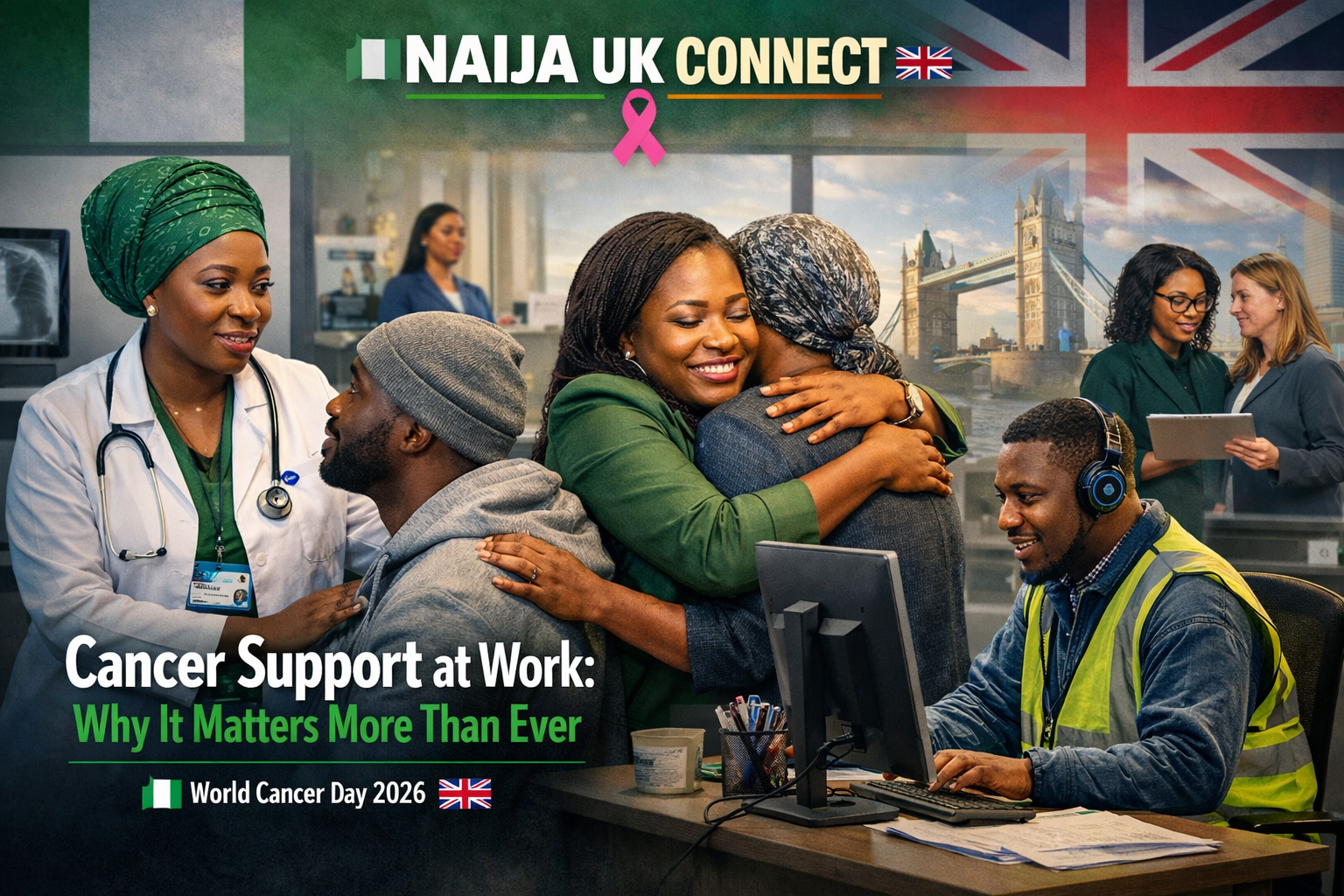
This year, World Cancer Day underscores the fact that each cancer experience is unique, and workplaces must respond with personalized support.
World Cancer Day, observed on 4th February each year, serves to unite individuals worldwide in raising awareness about cancer. The goal is to promote prevention, early detection, treatment, and to amplify the voices of those whose lives have been impacted by cancer. In 2026, this message is more urgent than ever.
Cancer is no longer a rare issue at the workplace. It directly affects millions of employees globally, either through personal diagnoses or caring for a loved one. The impact on employee wellbeing, productivity, and workplace dynamics is profound.
With ongoing advances in research, treatment, and survivorship care, more people are now living longer, fuller lives with and beyond cancer. As a result, the role of workplaces in supporting employees is more crucial than ever.
Compassionate Cancer Conversations
The World Cancer Day theme for 2026, United by Unique, places people at the center of cancer care. This global campaign, led by the Union for International Cancer Control (UICC), advocates for a compassionate, people-centered approach to cancer care. The initiative stresses the importance of healthcare systems, employers, and communities reflecting on how care can be accessible, inclusive, and responsive to individual needs.
Now in its second year, United by Unique pushes beyond awareness, encouraging tangible actions to show that cancer care recognizes the person behind the diagnosis – considering their values, background, family responsibilities, work life, and preferences.
Cary Adams, CEO of UICC, highlights: “The experiences of people affected by cancer, whether they are patients, caregivers, or healthcare workers, offer critical insights that must inform cancer policies and services.”
Cancer as a Global Workforce Issue
Cancer remains one of the most significant health challenges globally. The latest World Health Organization (WHO) data paints a sobering picture:
-
20 million new cancer cases are recorded each year globally, with over 10 million deaths.
-
53.5 million people worldwide are living with cancer five years after diagnosis.
-
Annual cancer cases are expected to rise to 30-35 million by 2050 due to population growth and ageing.
-
1 in 5 people worldwide will develop cancer during their lifetime.
These figures highlight the profound impact cancer has on the workforce, with many employees balancing cancer treatment, recovery, or caregiving responsibilities alongside their professional lives.
Cancer Statistics in the UK
According to Macmillan Cancer Support:
-
Around 3.5 million people in the UK are living with cancer, up from 3 million in 2020.
-
Someone in the UK is diagnosed with cancer roughly every 90 seconds.
-
Cancer remains the leading cause of death, accounting for 1 in 4 deaths.
These statistics are a wake-up call for workplaces in the UK, where cancer affects employees both directly and indirectly, often resulting in long-term absences and challenges related to caregiving.
Hope and Progress in Cancer Care
While these numbers may seem overwhelming, there is cause for optimism. Advances in early detection, targeted therapies, immunotherapy, and personalized medicine have improved outcomes for many types of cancer. Survival rates continue to rise, and more people are able to live well with cancer as a chronic illness, returning to work post-treatment.
However, with these advancements, the need for workplace support has only grown. Flexible working hours, compassionate managers, supportive colleagues, and long-term adjustments have become essential to helping individuals manage their work-life balance while navigating cancer treatment and recovery.
In short, better treatments do not reduce the need for workplace support; they make it even more critical.
The Importance of Visible and Accessible Support
Some employees must disclose their diagnosis due to treatment or the need for workplace adjustments. Others may choose not to disclose. Additionally, many carers manage their work alongside hospital appointments and the emotional strain of supporting a loved one.
This makes visible and accessible support critical. New research in January 2026 for GRiD, a UK workplace wellbeing organization, highlighted growing concern. According to the research, 56% of employers are worried about serious illness, including cancer, affecting their workforce. At the employee level, 25% of over-60s and 15% of the general workforce express concerns about serious illness.
Katharine Moxham from GRiD shares, “Cancer remains one of the most significant health challenges facing today’s workforce, yet its full impact is often hidden. Employers must do more to ensure that every employee feels supported and has access to the help they need.”
Why Workplace Cancer Support Matters
Cancer is more than a medical issue – it disrupts the daily lives of employees, affecting their routine, sense of purpose, identity, and social connections. Providing a supportive workplace for employees managing cancer, or any chronic illness, brings many benefits. When employers get cancer support right:
-
Employees stay connected to work while managing their fluctuating health.
-
Financial and emotional stress is reduced.
-
Recovery and return-to-work outcomes improve.
-
Experienced talent is retained.
-
Carers receive support, reducing burnout.
However, failing to offer support can result in:
-
Increased long-term absences.
-
Rise in presenteeism, which harms recovery and productivity.
-
Carers struggling in silence.
-
Loss of talent, knowledge, and trust.
Working Life After Cancer Treatment
Research by RedArc, a specialist support organization, reveals that cancer survivors often need more support than initially anticipated, particularly after treatment ends. Over the past five years, RedArc found that:
-
Survivors require 31% more resources than non-cancer cases.
-
Emotional, social, and practical support is often just as important as medical care.
Christine Husbands, commercial consultant at RedArc, explains, “Getting life back on track after cancer treatment is not always straightforward. Many survivors need continued support as they adjust, but this support often disappears once the treatment ends.”
The Need for Wellbeing Strategies Focused on Serious Illness
Despite rising cancer rates and survival improvements, research from Everywhen shows that only 17% of employers plan to focus their wellbeing strategies on serious illnesses like cancer this year.
Debra Clark, Head of Wellbeing at Everywhen, emphasizes, “We need to ensure that cancer is a priority in workplace wellbeing strategies. Lifestyle support and screening are critical, but these efforts will only make a significant impact if employees understand the risks and are supported appropriately.”
How Employers Can Support Employees
Given that serious medical conditions like cancer account for 27% of long-term absences and 8% of short-term absences among UK employers, it’s clear that offering meaningful support benefits both the employee and the organization.
Support can range from prevention and education to access to treatments, second medical opinions, lifestyle support, and financial assistance. It’s essential that cancer support is comprehensive, visible, and easy to access.
Employers can ensure that cancer support includes:
-
Flexible working arrangements for treatment, recovery, and caregiving.
-
Training managers to have confident, compassionate conversations.
-
Explicitly supporting carers, not just those diagnosed with cancer.
-
Promoting benefits clearly and frequently.
-
Focusing on prevention, screening, and early diagnosis.
-
Ensuring support continues after treatment ends.
Resources for Cancer Support
For those impacted by cancer, whether personally or through caregiving, reliable resources can make a world of difference. Several organizations offer trusted guidance, services, and connections:
-
Macmillan Cancer Support: Practical, emotional, financial, and work-related support for people living with cancer and their carers.
-
Cancer Research UK: Information on cancer types, prevention, screening, and treatment.
-
Everywhen: Wellbeing and serious illness strategies for employees.
-
RedArc: Specialist support services for people living with cancer.
On World Cancer Day 2026, let’s commit to listening, acting, and ensuring that no one affected by cancer feels unsupported at work. Cancer is not just a medical issue – it’s a workplace and societal challenge that requires a compassionate, people-centered approach.
Together, we can build workplaces that not only help people live with cancer but thrive beyond it.
Join Our WhatsApp Channel
Stay updated on the latest UK news, including education, health, job openings, and more for those living in the UK!
Join here: Naija UK Channel
Also, follow us on our social media channels for the latest updates and discussions:
- Twitter: @NaijaUKConnect
- Facebook: Naija UK Connect
- Instagram: @naijaukconnect