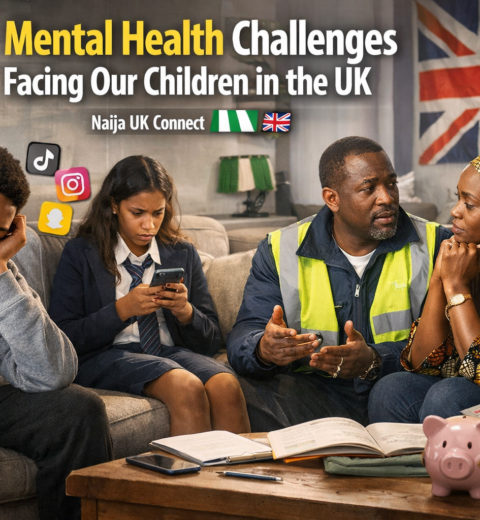

If your child struggles with attention in school, you’re not alone. Many Nigerian parents in the UK notice challenges such as difficulty focusing, daydreaming, restlessness, or trouble following instructions—especially as children adjust to the UK education system.
Having an open, informed conversation with your child’s teacher can make a big difference. These seven questions will help you understand what’s happening in the classroom and how best to support your child at home and in school.
1. In what ways does my child struggle with attention in class?
Attention difficulties can look very different from child to child. Some children find it hard to sit still, while others appear quiet but are mentally disengaged.
This question helps you understand how your child’s attention challenges show up in the classroom. A teacher may explain that your child:
- Misses instructions
- Daydreams frequently
- Needs repeated reminders
- Starts tasks but struggles to finish
Concrete examples from the teacher help you see the situation clearly, beyond what you may observe at home.
2. Are there certain times of the day or subjects my child finds more difficult?
Attention levels often change throughout the school day. Some children focus well in creative subjects like art or music but struggle with maths, reading, or longer lessons.
Teachers may notice patterns such as:
- Reduced focus after lunch
- Difficulty during morning lessons
- Challenges with specific subjects
Identifying these patterns allows parents to support their child more effectively instead of using a “one-size-fits-all” approach.
3. What strategies are currently being used to help my child focus?
UK teachers often use classroom strategies to support children with attention challenges, such as:
- Visual reminders
- Short, structured tasks
- Seating arrangements
- Movement breaks
Asking this question shows partnership, not blame. It also allows parents to reinforce the same techniques at home, giving the child consistency across both environments.
4. How does my child interact with others during class activities?
Attention difficulties don’t only affect learning—they can also impact social interactions. Some children may:
- Interrupt others
- Miss social cues
- Avoid group work
- Become overwhelmed in busy classroom settings
This question helps you understand how attention affects your child’s friendships, teamwork, and confidence—not just academic performance.
5. Is my child meeting learning expectations despite attention difficulties?
This is a crucial question for many parents. Struggling with attention does not mean a child lacks ability or intelligence.
The teacher can explain:
- Whether learning targets are being met
- Where gaps may exist
- Whether attention difficulties are affecting progress
This helps separate attention challenges from academic ability and prevents unnecessary worry.
6. Do you think my child needs additional support or assessment at this stage?
UK schools have systems in place for additional support, including:
- SEN (Special Educational Needs) support
- Educational psychologists
- Behaviour or learning assessments
Teachers can guide you on whether your child’s difficulties are developmentally typical or whether further support might be helpful. Early conversations allow informed decisions without panic.
7. How can we work together to support my child?
The best outcomes happen when parents and schools work as a team. This question opens the door to collaboration.
Teachers may suggest:
- Simple home routines
- Communication books
- Reward systems
- Regular check-ins
When home and school are aligned, children feel supported, understood, and more confident—often leading to better focus and behaviour.
Final Thoughts for Nigerian Parents in the UK
Navigating attention challenges can feel overwhelming, especially in a new education system. Asking the right questions helps you advocate for your child calmly and confidently.
Remember: attention difficulties are common, manageable, and not a reflection of poor parenting or a child’s potential. With early support, collaboration, and understanding, children can thrive both academically and socially.
For more parenting, education, and family-life guidance tailored to Nigerians in the UK, stay connected with Naija UK Connect 🇳🇬🇬🇧
Join Our WhatsApp Channel
Stay updated on the latest UK news, including education, health, job openings, and more for those living in the UK!
Join here: Naija UK Channel
Also, follow us on our social media channels for the latest updates and discussions:
- Twitter: @NaijaUKConnect
- Facebook: Naija UK Connect
- Instagram: @naijaukconnect