
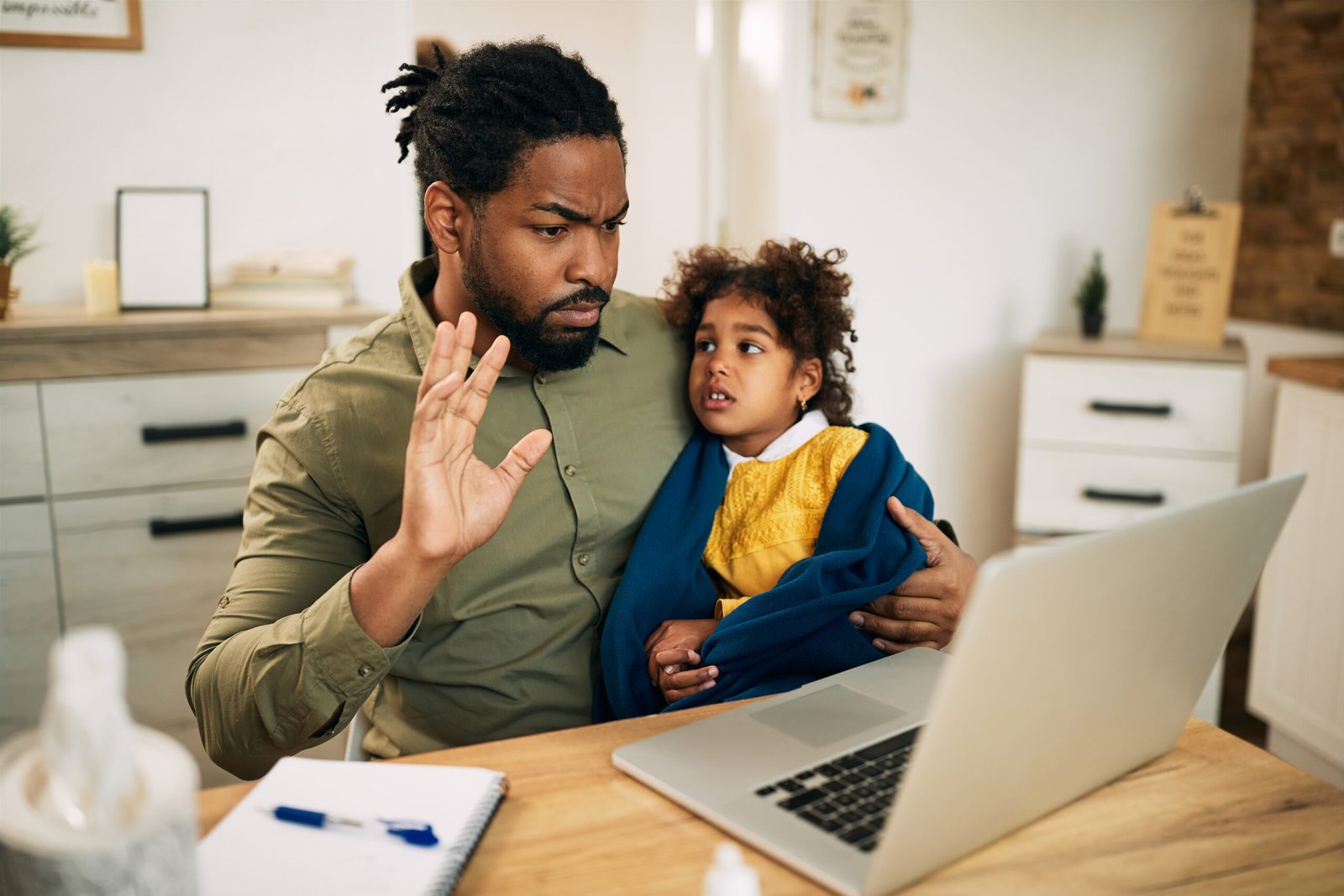
Raising children in the UK comes with unique challenges for Nigerian parents — new cultures, school systems, independence, and social exposure at an early age. While parents naturally want to protect their children from harm, experts say the real protection starts from within the child, not just strict rules.
Parenting coach and content creator Katy recently shared powerful advice on social media about how parents can protect children from adults with harmful intentions. Her message is clear: you can’t control every adult your child will meet, but you can equip your child with the skills to protect themselves.
In her words:
“Most kids don’t get hurt because they are too sensitive. They get hurt because no one taught them how to recognise manipulation, set limits, or trust their instincts.”
Here are four essential skills every parent — especially Nigerians raising children in the UK — should focus on.
1. Teach Children Emotional Language
Children who understand and can name their emotions are better at defending their boundaries.
When kids can say “this makes me uncomfortable” or “I don’t like that”, they are less likely to be manipulated or silenced.
“Kids who can name their feelings can defend their boundaries. Kids who can’t become easy targets.”
Naija parenting tip:
Encourage your child to talk openly about how school, friends, teachers, or even relatives make them feel — without dismissing their emotions.
2. Teach Them That Saying “No” Is Allowed
Many Nigerian parents grew up in environments where children were expected to obey adults without question. But in today’s world, teaching children to say “no” is critical for their safety.
“If they can’t say no to you, they will struggle to say no to strangers, coaches, teachers, or friends.”
Let your child practise saying no respectfully — even to you — so they know their voice matters.
3. Teach Them to Trust Their Discomfort
Children often sense when something isn’t right, but they may not have the words to explain it.
“If something feels off, it is off. A child who trusts their gut is harder to manipulate.”
Reassure your child that it’s okay to walk away, speak up, or ask for help if they feel uncomfortable — even if they can’t explain why.
4. Create a Safe Space Where They Can Tell You Anything
Children hide danger when they are afraid of punishment, shouting, or disappointment.
“Kids who fear getting in trouble hide danger. Kids who feel safe telling you anything stay protected.”
As a parent, your reaction matters. Stay calm, listen first, and reassure your child that your home is always a safe place, no matter what they share.
Final Thoughts for Nigerian Parents in the UK
The goal of parenting isn’t to raise a child who fears the world — but one who is emotionally strong, confident, and aware.
“Strong kids aren’t born. They’re taught.”
For Nigerians raising children in the UK, blending cultural values with emotional safety and open communication is one of the strongest ways to protect our children — today and in the future.
Naija UK Connect will continue to share practical, relevant content to support Nigerian families living in the UK 🇳🇬🇬🇧
Join Our WhatsApp Channel
Stay updated on the latest UK news, including education, health, job openings, and more for those living in the UK!
Join here: Naija UK Channel
Also, follow us on our social media channels for the latest updates and discussions:
- Twitter: @NaijaUKConnect
- Facebook: Naija UK Connect
- Instagram: @naijaukconnect