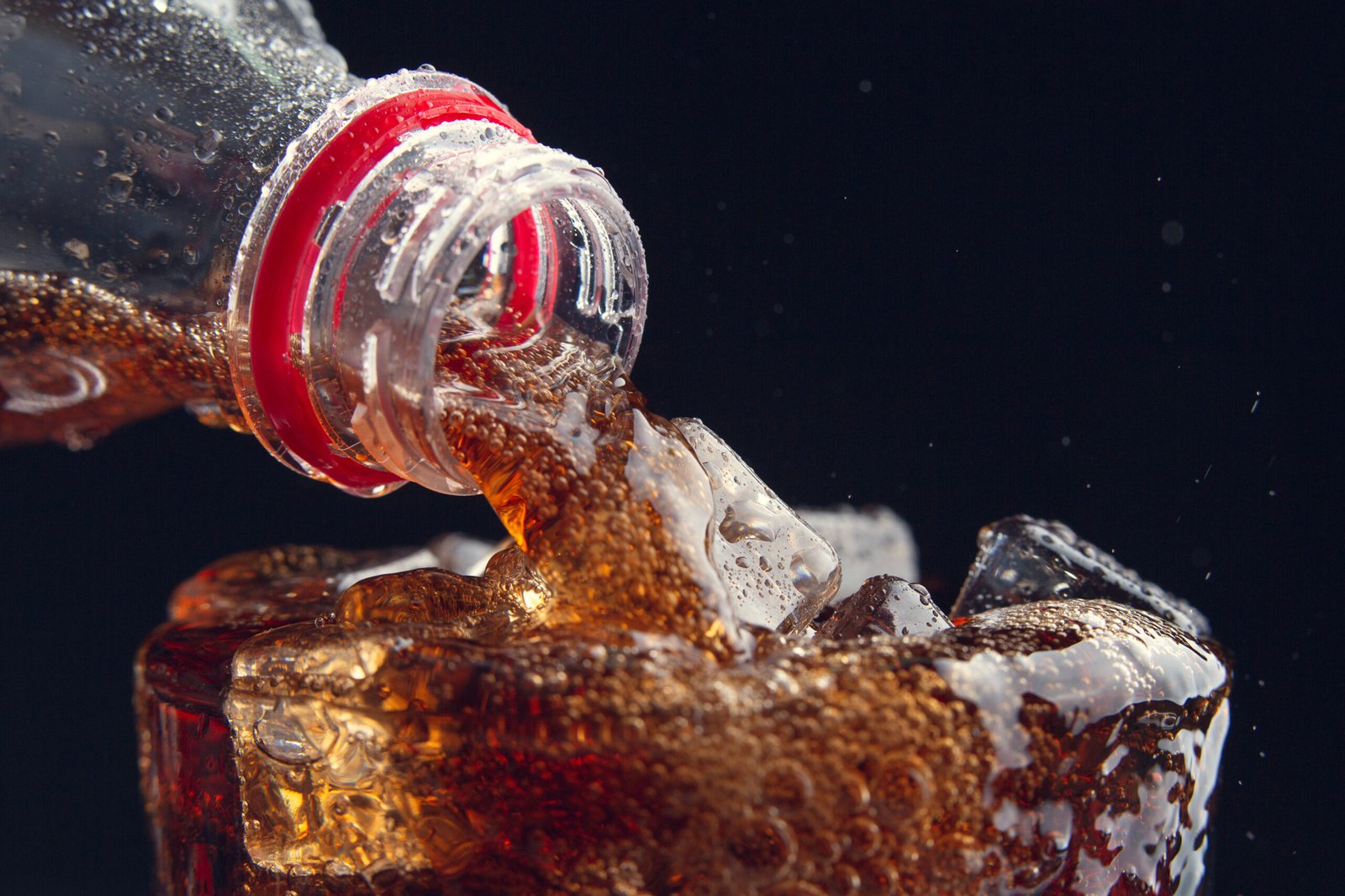
What’s the difference between zero-sugar and diet soda?
Although both zero-sugar and diet sodas avoid using table sugar, the main difference lies in the sweeteners they use — and this affects how they taste:
- Diet soda often uses sweeteners like aspartame, a very sweet chemical (hundreds of times sweeter than cane sugar). (Wikipedia)
- Zero-sugar soda tends to use other alternatives — for example sucralose, acesulfame-K, or even sweeteners derived from plants like stevia or monk fruit. (Medical News Today)
Because of these different sweeteners, many people say zero-sugar sodas taste closer to the “real thing” than classic diet sodas. But in terms of calories and added sugar, both are essentially “no sugar / no calories.” (Mayo Clinic)
Blood Sugar — What the Science Says
Here’s what research tells us about how these drinks affect blood glucose:
- In the short term, sodas sweetened with aspartame or sucralose generally do not cause a spike in blood sugar or insulin. (OAText)
- For people managing conditions like prediabetes or diabetes, this makes diet or zero-sugar sodas an appealing alternative to sugary drinks. (Diabetes UK)
- However — and this is important — several larger, long-term studies have raised a warning: frequent consumption of artificially sweetened beverages may be associated with a higher risk of developing type 2 diabetes. (PMC)
In short: yes — these sodas are unlikely to cause direct fat blood-sugar spikes — but over time, regular consumption might still have negative effects on insulin regulation and metabolic health.
Cravings, Appetite, Weight — What Happens
Switching from sugary soda to diet/zero-sugar soda can seem like a smart move if you’re watching calories. And indeed:
- Many people find that swapping sugary drinks for zero-/diet-soda helps reduce calorie intake, which could support weight management. (Mayo Clinic)
- But research is mixed. Some studies show no clear benefit for long-term weight loss by drinking diet sodas. (Mayo Clinic)
- Furthermore — and relevant for people who love their sweet “Naija vibes” — sweeteners may trigger sugar cravings or make you want more sweet foods or snacks, depending on your sensitivity. (PMC)
So the benefit depends a lot on your overall diet and how much you rely on sweet tastes. If diet/zero-sodas become a gateway to more sweet or processed snacks, the calorie-savings may disappear.
Gut Health & Long-Term Implications
Another factor worth considering: what these “sugar-free” drinks might be doing to your gut — and why that matters for long-term health.
- Some studies show that artificial sweeteners such as sucralose or saccharin may disturb the balance of gut bacteria. This kind of imbalance (called dysbiosis) has been linked to inflammation, poorer blood sugar control and metabolic problems. (Nature)
- There is also some evidence that long-term intake of non-nutritive sweeteners might impair glucose tolerance or insulin sensitivity — even if there is no immediate spike after drinking the soda. (Cell)
- Because much of this comes from early or small studies, science hasn’t reached a firm conclusion yet. But it does suggest these drinks are not risk-free. (PubMed)
What Does This Mean for Nigerians Living in the UK — What Should You Choose?
If you’re balancing “Naija taste preferences” with health (especially living with or trying to avoid diabetes), here are a few thoughts:
- If you enjoy a cold soda now and then — go for it. Choosing zero-sugar or diet soda occasionally is much better than sugary drinks, especially for blood sugar stability.
- But make it an occasional treat — don’t treat diet/zero-soda as a daily habit. Frequent consumption might still carry metabolic and gut-health risks over time.
- Always prioritise water, unsweetened drinks, or natural alternatives (e.g. unsweetened tea, natural juices in moderation, coconut water). These help keep blood sugar stable and avoid potential effects from sweeteners.
- If you have pre-existing conditions (pre-diabetes, insulin resistance, gut issues), paying attention to how your body responds — after a can of soda now, after one month of regular drinking — is wise.
Key Takeaways
- Both zero-sugar and diet sodas avoid sugar and calories — so they don’t cause big short-term blood sugar spikes.
- But “sugar-free” does not always mean “safe” — long-term use of sweeteners may affect gut health, insulin sensitivity, and metabolic risk.
- Replacing sugary drinks with water or unsweetened drinks remains the healthiest choice, especially for long-term blood sugar stability.
- If you like soda, enjoy it occasionally — but don’t let it become a daily habit.
Join Our WhatsApp Channel
Stay updated on the latest UK news, including education, health, job openings, and more for those living in the UK!
Join here: Naija UK Channel
Also, follow us on our social media channels for the latest updates and discussions:
- Twitter: @NaijaUKConnect
- Facebook: Naija UK Connect
- Instagram: @naijaukconnect