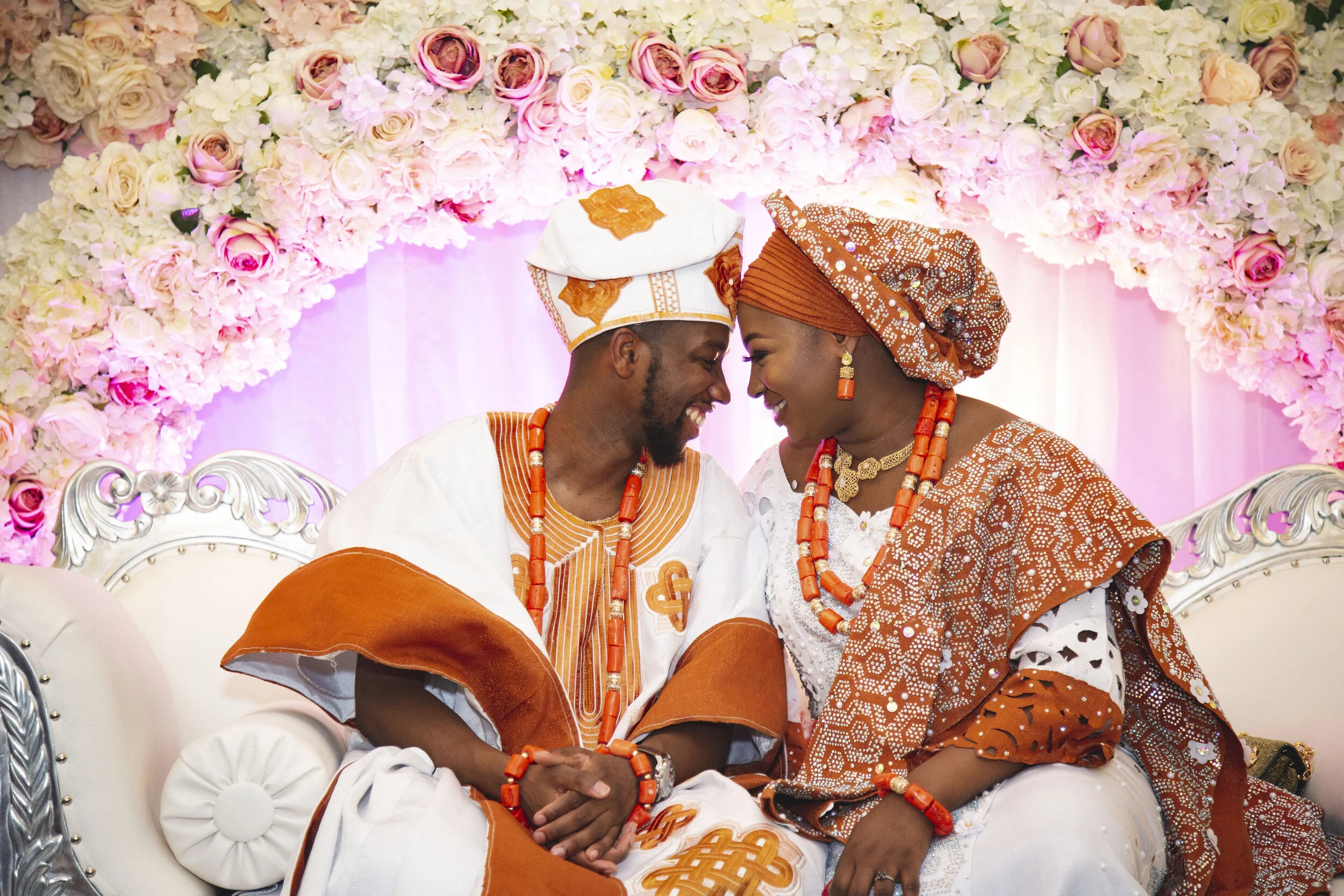
For every Nigerian couple, the Traditional Marriage (Customary Marriage)—the engagement, the Igba Nkwu, the Eru Iyawo, the Sharia wedding—is the real deal. It’s the union of two families, rich with culture, dowry, and celebration.
But if you’ve moved to the UK, or plan to, the million-dollar question is: Does your beautiful traditional marriage have legal power in Britain?
The short answer is: YES, but it depends entirely on whether it was a valid marriage under Nigerian law at the time it was celebrated.
The core principle governing this is the Latin phrase: lex loci celebrationis—meaning, if the formalities of the marriage comply with the local laws of celebration (Nigeria’s laws), then the marriage is valid and should be recognised in the UK.
Understanding the UK Test for Naija Marriages
For your customary marriage to be legally recognised in the UK, it must satisfy two main tests:
-
Nigerian Validity: Did the ceremony meet all the essential requirements of the customary or native law applicable to you in Nigeria (Igbo, Yoruba, Hausa, etc.)?
-
UK Capacity: Does the marriage violate a fundamental UK public policy principle, such as requiring monogamy?
The first point is crucial. Expert legal opinion on Nigerian customary law often identifies these essential requirements:
-
Parental Consent: Consent from both families.
-
Parties’ Consent: Clear consent from the bride and groom.
-
Capacity to Marry: The parties must be legally free to marry (e.g., of age).
-
Bride Price/Dowry: Payment or acceptance of the required amount/gifts.
-
Formal Handing Over: The official presentation of the bride to the groom’s family.
If these criteria were met in Nigeria, the UK court will generally uphold the marriage.
Case Study: N v D [2015] EWFC 28 – A Key Win for Naija Couples
This reported case is essential reading for every Nigerian in the UK.
-
The Parties: N (Igbo) and D (Yoruba) were Nigerian-born but had lived in England since childhood, maintaining strong ties to Nigeria. They had four children together.
-
The Dispute: The wife, N, applied for a declaration that their 2005 customary marriage in Nigeria was legally valid. The husband, D, disputed this, claiming it was just an introduction ceremony or a party.
-
The Finding: Mr. Justice Peter Jackson examined extensive evidence—including testimony from eight family members, photos, and expert advice from Professor Oba Nsugbe KC SAN on Nigerian law.
-
The Verdict: The judge was satisfied that a valid customary marriage had taken place in Nigeria and, therefore, declared it a valid marriage recognised under English law.
🔑 The Takeaway: The UK court’s focus was not on UK registration, but on the facts: Did you meet the standard for a valid customary marriage in your Nigerian village/community?
Key Challenges & What UK Law Will NOT Tolerate
While the UK respects foreign marriages, certain traditional elements conflict with English public policy. These are the danger areas:
| Traditional Element | UK Legal Conflict/Requirement | Action Point |
| Polygamy | The UK recognises only monogamous marriages. A polygamous customary marriage (permitted under some Nigerian laws) is not legally recognised here. | Ensure your marriage is strictly monogamous if you need UK legal recognition (for visas, divorce, financial claims, etc.). |
| Verbal Agreements/Community Recognition Only | Marriages must adhere to strict legal documentation for easy proof. You need evidence that the Nigerian system itself recognised it as legally binding. | Always register your customary marriage with the relevant Local Government Area/Customary Court in Nigeria and get an official certificate. |
| No Official Documentation | Unlike a Nigerian statutory (registry) marriage, many customary marriages lack an immediate government-issued certificate. | The absence of a certificate is not fatal, but it shifts the burden of proof entirely onto you to prove that the ceremony satisfied every local customary requirement (like the judge in N v D). |
Your Proactive Steps to Secure Recognition
-
Get the Paperwork: If you had a traditional marriage in Nigeria and haven’t yet, register it with the appropriate Customary Court or Local Government Area. The official certificate is your strongest evidence in the UK.
-
Collect Evidence: Keep the receipts! This includes your original marriage certificate (if any), photos/videos of the ceremony, and documentation of dowry/bride price payment.
-
Seek Legal Guidance: If you are facing a visa application, divorce, or financial claim, do not rely on cultural assumptions. Consult a family law solicitor experienced in international and customary marriages to navigate the complexity.
In summary: Your traditional marriage is valid in the eyes of the law, provided it met the requirements of Nigerian customary law. But be prepared to prove it, and be sure it is strictly monogamous.
Disclaimer: This information is for general guidance and is not a substitute for specific legal advice. Consult a UK solicitor for your personal circumstances.
Join Our WhatsApp Channel
Stay updated on the latest UK news, including education, health, job openings, and more for those living in the UK!
Join here: Naija UK Channel
Also, follow us on our social media channels for the latest updates and discussions:
- Twitter: @NaijaUKConnect
- Facebook: Naija UK Connect
- Instagram: @naijaukconnect