This is a crucial topic for the Naija UK community! I’ve edited the article, focusing it on the relevance for Black people, particularly Nigerians in the UK, adding essential information on risk factors, and providing practical preventive measures and fruit recommendation
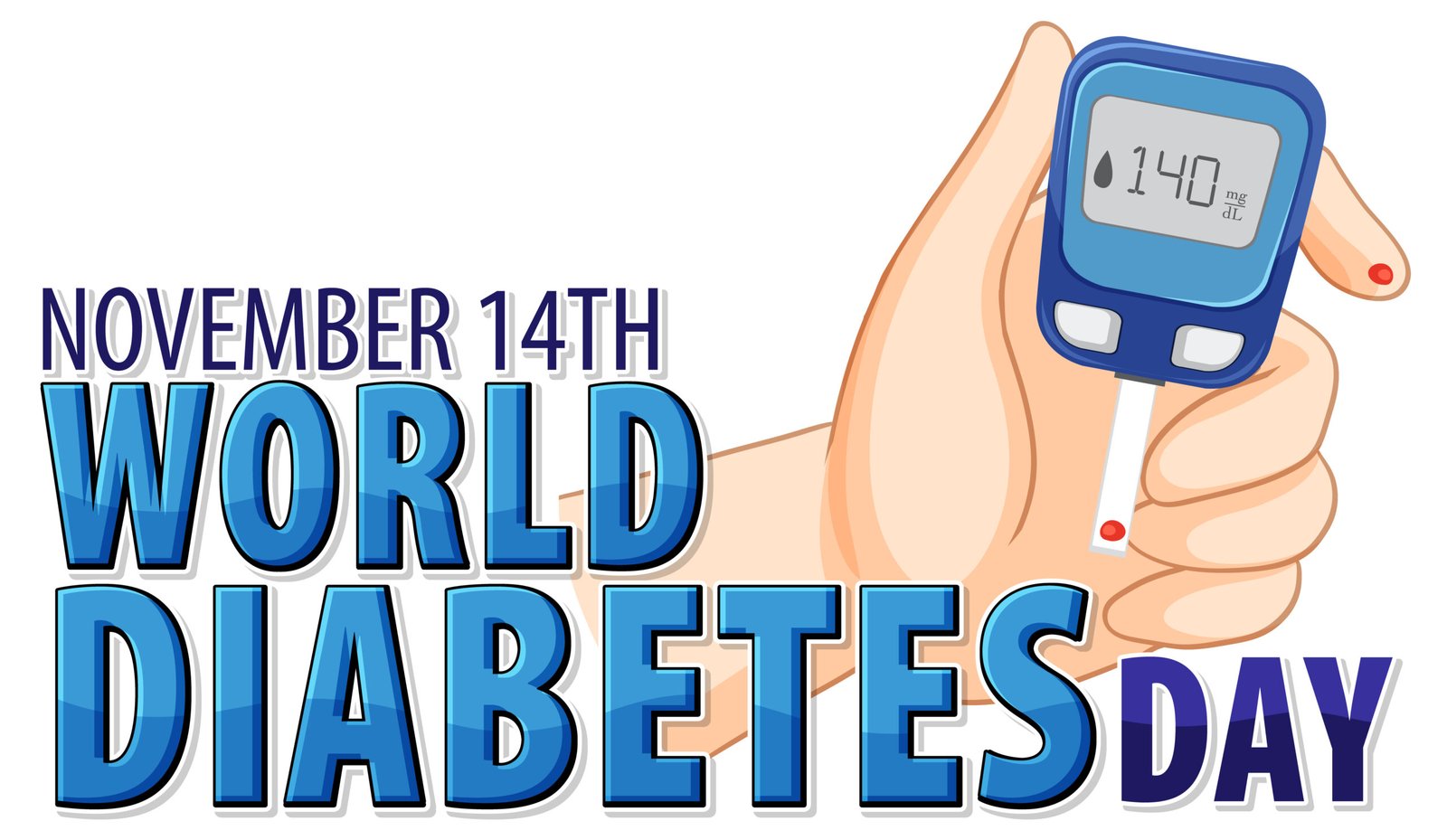
World Diabetes Day, observed every year on November 14th, is a global reminder that we must stay vigilant against diabetes. It’s an official UN Day, uniting over 160 countries to raise awareness. November 14th is chosen because it’s the birthday of Frederick Banting, who co-discovered insulin in 1922.
The theme for 2025 is focused on Diabetes and Wellbeing, and in the UK, campaigns like ‘Strike Out Stigma’ are fighting the negative attitudes and false assumptions that impact people living with this condition.
🛑 Diabetes and Black Communities: The Urgent Naija UK Focus
For Nigerians and other Black communities in the UK, diabetes is not just a general health topic—it is a critical concern. The facts are clear:
-
Higher Risk: People of Black African and Black Caribbean descent are significantly more likely to develop Type 2 diabetes than the general population. This risk is often linked to a combination of genetics, lifestyle factors, and environmental issues.
-
Stigma Hurts: Evidence shows that people from Black communities are more likely to experience diabetes stigma, blame, and judgment. This shame can stop people from seeking the medical support they need, leading to poorer health outcomes.
-
The Problem is Real: In the UK, millions are living with or at risk of diabetes. We must talk openly about this to protect our loved ones.
What is Diabetes Stigma?
It’s the negative judgment or false assumptions made about people with diabetes (e.g., “You only have it because you ate too much sugar.”). This is hurtful and often untrue. It leads to depression, anxiety, and avoidance of medical appointments. Our words matter. Let’s change how we talk about diabetes.
🍉 Fruit Power: Diabetes-Friendly Choices for Your Diet
There is a common misconception that all fruit is too “sugary” for people with diabetes or those at risk. However, the fiber and nutrients in whole fruits are crucial! They are a great source of natural sweetness and essential vitamins.
Focus on fruits that have a lower Glycemic Index (GI), meaning they release sugar into your bloodstream slowly.
| Fruit Choice (Low GI) | Why It’s a Good Choice | Naija UK Relevance |
| Berries (Strawberries, Blueberries) | High in antioxidants and fiber, making them excellent for heart health and blood sugar control. | Easily available in UK supermarkets and great as a snack or on breakfast cereals. |
| Apples and Pears | Packed with fiber (especially in the skin), which slows digestion and sugar release. | UK grown and readily accessible; easy to carry as a daily snack. |
| Oranges & Citrus | Good source of Vitamin C and have a low GI. | A familiar choice! Stick to the whole fruit rather than processed juice. |
| Plantain & Sweet Potato (Moderation) | While not a fruit, these staples are better than white rice or yam. Eat in small portions as part of a balanced meal. | Control the portion size! A fist-sized portion is usually enough. |
🛡️ Preventive Measures: How to Protect Yourself and Your Family
Preventing or managing Type 2 diabetes requires making consistent, sustainable changes to your lifestyle.
1. Watch What You Eat (Our Staple Foods)
-
Portion Control: We love large portions! Try reducing the size of your swallow (e.g., Eba, Amala) or rice portion and fill the rest of your plate with vegetables (like Efo, Egusi soup, or steamed greens).
-
Fiber is Key: Increase foods like beans, lentils, and whole grains (like the ones in the bread article). Fiber helps control blood sugar.
-
Reduce Processed Foods & Sugar: Cut down on soft drinks, high-sugar packaged snacks, and excessive oil when cooking.
2. Move Your Body (Stay Active)
-
Aim for 150 Minutes: Try to get at least 150 minutes of moderate-intensity activity per week (that’s about 30 minutes, five times a week).
-
Walk More: Taking a brisk walk around your estate or park in the UK after a heavy meal is one of the simplest and most effective things you can do.
3. Know Your Numbers (Get Checked)
-
Regular Check-ups: If you are over 40 (or younger with a family history), speak to your GP in the UK about getting a regular blood sugar test. This is especially vital given the higher risk for our community.
-
Monitor Weight: Even a small loss of body weight (5-10%) can significantly reduce your risk.
Diabetes is manageable and often preventable. Let’s use World Diabetes Day not just as a day of awareness, but as a day of action for the Naija UK community.
Join Our WhatsApp Channel
Stay updated on the latest UK news, including education, health, job openings, and more for those living in the UK!
Join here: Naija UK Channel
Also, follow us on our social media channels for the latest updates and discussions:
- Twitter: @NaijaUKConnect
- Facebook: Naija UK Connect
- Instagram: @naijaukconnect