
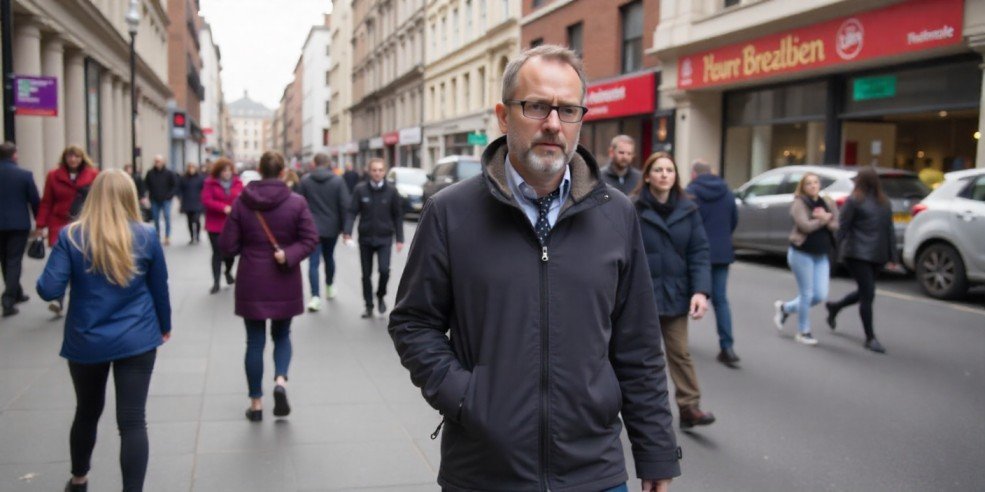
The UK is planning major immigration reforms — inspired by Denmark’s strict but structured approach to border control and asylum. These new policies aim to tighten asylum procedures, introduce faster deportations, and strengthen integration requirements for migrants. For Nigerians living in the UK or planning to move, this could signal big changes in how migration and settlement are managed.
🔍 Why the UK is Considering Denmark’s Model
With record-high Channel crossings and political pressure to “restore control,” Home Secretary Shabana Mahmood and her team are studying Denmark’s system — which focuses on temporary protection instead of permanent settlement.
Denmark’s approach gives asylum seekers temporary stay based on their contribution to society, job participation, and integration progress. If adopted in the UK, this could mean that new migrants (including Nigerians) might need to meet stricter work and integration standards to qualify for longer-term residency.
⚖️ Key Features of the Danish Model Being Studied
- Temporary, not permanent, protection: Refugees are granted short-term stay, renewed only if their home country remains unsafe and they meet work/integration criteria.
- Stricter family reunification rules: Applicants must prove income stability, language skills, and suitable housing before bringing family members over.
- Integration expectations: Migrants are encouraged (and sometimes required) to join language classes, vocational training, and community service as proof of contribution.
🇬🇧 What This Could Mean for Nigerians in the UK
For the Nigerian community — one of the UK’s fastest-growing African diasporas — this reform could bring both challenges and opportunities:
- Stricter residency renewals: You may need to show consistent work, tax records, or training participation to extend your visa.
- Tougher asylum reviews: Asylum or protection claims might face shorter validity periods and closer scrutiny.
- Higher focus on integration: Being active in your local community, working, and upskilling could play a bigger role in future settlement decisions.
💬 Voices Across the UK
- Local councils warn of housing and healthcare pressures.
- Business groups are urging the government not to limit skilled workers.
- Human rights advocates argue the reforms may leave vulnerable groups — including African asylum seekers — in long-term uncertainty.
🧭 Balancing Control and Compassion
The UK faces a delicate challenge — protecting borders while staying true to humanitarian obligations. The reforms could reshape Britain’s image: from being a place of refuge to one focused on managed migration and measurable contribution.
✅ What Nigerians Should Do Now
- Stay informed on Home Office announcements.
- Keep documentation up to date — especially proof of employment, education, or community involvement.
- Seek advice early from legal or immigration professionals if your visa or asylum status may be affected.
In summary:
The UK’s Denmark-inspired immigration reforms aim to control irregular migration while demanding more from migrants already here. For Nigerians in the UK, adapting early — through work, skills, and community engagement — will be key to securing long-term stability.
📰 Read more news and updates for Nigerians in the UK on Naija UK Connect → https://naijaukconnect.co.uk
Join Our WhatsApp Channel
Stay updated on the latest UK news, including education, health, job openings, and more for those living in the UK!
Join here: Naija UK Channel
Also, follow us on our social media channels for the latest updates and discussions:
- Twitter: @NaijaUKConnect
- Facebook: Naija UK Connect
- Instagram: @naijaukconnect