Prediabetes is more common than many people think. In the UK, especially among African and Caribbean communities, the risk is even higher due to genetic and lifestyle factors. If you’re a Nigerian living in the UK, understanding what prediabetes is and how to prevent it could save your life—and improve your quality of living.
What Is Prediabetes?
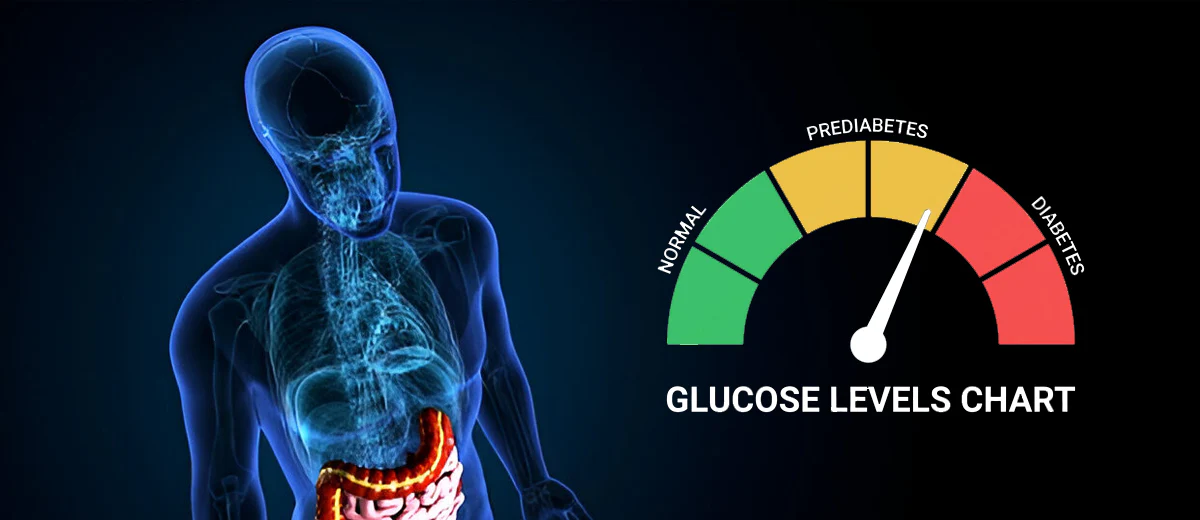
Prediabetes means your blood sugar levels are higher than normal, but not high enough to be diagnosed as type 2 diabetes. It’s a silent warning sign that your body isn’t processing sugar efficiently. Unfortunately, many people with prediabetes are unaware they have it.
This condition often occurs due to insulin resistance—when your body stops responding well to insulin, the hormone that helps sugar enter your cells. As a result, sugar builds up in your bloodstream.
Why Nigerians in the UK Should Be Concerned
Research shows that Black communities in the UK, including Nigerians, are at a greater risk of developing type 2 diabetes. But the risks don’t stop there. Even if prediabetes never progresses to diabetes, it still raises your chances of serious health problems like:
- Heart disease
- Kidney disease
- Fatty liver disease
Key Health Risks Linked to Prediabetes
1. Cardiovascular Disease
Prediabetes increases your risk of heart attacks and strokes by up to 15%. If you also have high blood pressure or high LDL (“bad”) cholesterol, your risk climbs even more. If you’re a smoker, the dangers are multiplied.
What You Can Do:
- Quit smoking.
- Aim to keep your blood pressure closer to 120/80 mmHg (rather than just under 140/90).
- Target LDL cholesterol levels of 70 mg/dL or lower if possible.
2. Kidney Disease
Your kidneys filter waste from your blood. High blood sugar makes their job harder and can lead to chronic kidney disease. People with prediabetes are up to twice as likely to develop kidney problems.
3. Fatty Liver Disease
Prediabetes can cause fat to build up in the liver, especially if you’re overweight. This condition—now called metabolic-associated steatotic liver disease—can eventually lead to liver damage.
How to Know If You Have Prediabetes
Prediabetes doesn’t usually have symptoms, which is why many people miss it. If you are overweight—even slightly—it’s worth asking your GP for a blood test (HbA1c). This test shows your average blood sugar levels over the past three months. A result between 5.7% and 6.4% means you have prediabetes.
Lifestyle Tips to Reverse Prediabetes
You can stop prediabetes in its tracks—and even reverse it—by making small but powerful lifestyle changes.
Weight Loss
Losing just 5–10% of your current weight can drastically reduce your blood sugar, blood pressure, and cholesterol. For example, if you weigh 90 kg, aim to lose around 5–9 kg.
Exercise
The NHS recommends 150 minutes of moderate-intensity exercise per week, like brisk walking, cycling, or swimming. Add strength training 2–3 times per week using your body weight or light weights.
Diet
Avoid foods that cause sugar spikes, such as:
- White rice
- White bread
- Sugary drinks and snacks
Instead, focus on:
- Whole grains (brown rice, oats)
- Beans and lentils
- Leafy green vegetables
- High-fibre foods
Top Tip: Fibre helps you feel fuller for longer and keeps your blood sugar stable.
Final Thoughts
Prediabetes is a wake-up call—but it doesn’t have to become diabetes. As Nigerians living in the UK, taking control of your health with small, consistent changes can lead to major long-term benefits.
Ask your GP about screening if you’re unsure of your risk. Prevention truly is better than cure.
Join Our WhatsApp Channel
Stay updated on the latest UK news, including education, health, job openings, and more for those living in the UK!
Join here: Naija UK Channel
Also, follow us on our social media channels for the latest updates and discussions:
- Twitter: @NaijaUKConnect
- Facebook: Naija UK Connect
- Instagram: @naijaukconnect