
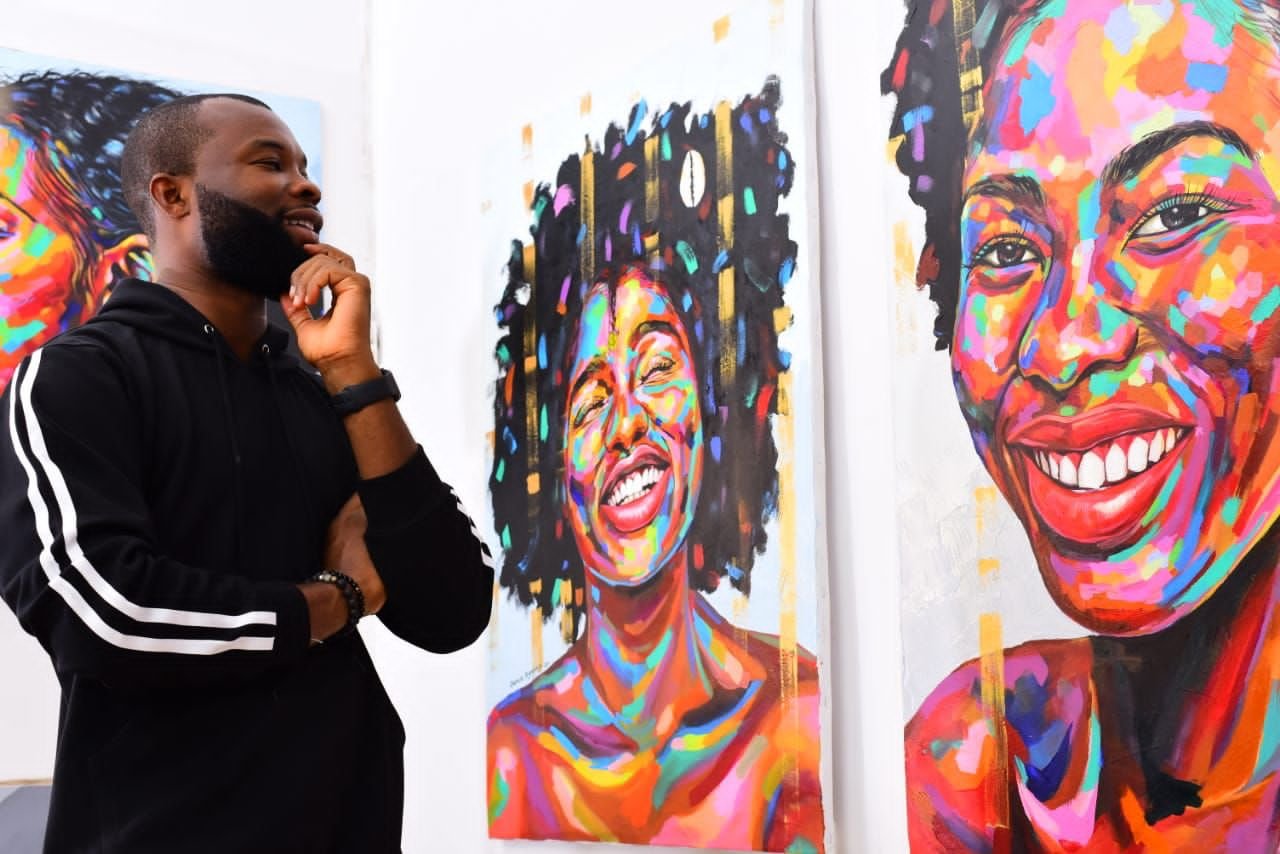
The UK Global Talent Visa is a valuable opportunity for talented individuals working in the arts and culture sector to bring their expertise to the UK. This visa allows you to live and work in the UK, contributing to the vibrant and diverse creative industries. For those applying in the arts, highlighting your artistic contributions and cultural impact is crucial for a successful application. Understanding the eligibility criteria and knowing how best to present your work is the key to standing out in this competitive field.
Eligibility Criteria For Arts Applicants
To apply for the UK Global Talent Visa as an arts applicant, you must meet certain eligibility requirements. These include demonstrating both your artistic excellence and the potential contribution you will make to the UK’s creative sector.
- Endorsement by an Approved Body: One of the first steps in the application process is securing an endorsement from a recognised body in the arts. If you’re in visual arts, performing arts, music, or other cultural sectors, you could seek endorsement from organisations such as Arts Council England (ACE), a leading endorsing body for the arts. These bodies will assess whether your work and career meet the UK government’s high standards.
- Demonstrated Excellence: The Global Talent Visa targets individuals who have shown exceptional talent or achievements in their fields. For artists, this could be through awards, exhibitions, performances, or international recognition. Your application should highlight key career milestones that display creativity and impact.
- Relevance to UK Arts and Culture: The UK is keen to attract artists whose work will contribute to and enrich its cultural landscape. Whether you’re a visual artist, musician, performer, or creator in another artistic form, it’s essential to demonstrate how your work has influenced the global arts community, as well as the UK’s cultural scene.
- Financial Support: While not all applicants need to prove financial stability, you may need to show that you can support yourself while residing in the UK. This could involve showing a history of paid work in the arts, sponsorship from a recognised institution, or providing financial statements.
Showcasing Artistic Contributions
Your application must not only highlight your artistic ability but also showcase the scope and significance of your contributions to the arts. Demonstrating your standing in the field and your ongoing impact on the arts scene is essential.
- Diverse Artistic Output: Present a portfolio that reflects your versatility. Whether your medium is visual art, theatre, music, or dance, your portfolio should highlight the breadth of your creativity. Be sure to include projects that have received critical acclaim or have made a public impact.
- Global and National Recognition: The UK seeks artists whose work has already gained recognition internationally. Whether through exhibitions, performances at prestigious venues, or collaborations with global institutions, make sure your application includes any accolades that demonstrate your global standing.
- Media Coverage and Publications: If your work has been featured in the media, art magazines, or online platforms, include these references in your application. Media recognition is a strong indicator of the impact your work has both nationally and internationally.
Demonstrating Cultural Impact
Alongside showcasing artistic contributions, it’s just as important to demonstrate the cultural impact of your work. The UK’s arts and cultural landscape is intricately connected to its society, and your art should reflect, influence, or contribute to that dynamic.
- Community and Social Engagement: Art has the power to drive social change. If your work addresses pressing social or political issues, be sure to highlight how it has contributed to important conversations or sparked dialogue. This could include community-based art projects, activism through art, or collaborations with organisations focused on societal issues.
- Long-Term Cultural Legacy: The UK values artists whose work has a lasting impact. Whether through mentoring emerging artists, contributing to educational initiatives, or creating works that will become part of the UK’s cultural heritage, demonstrating how your contributions have long-term relevance is key.
- Collaborations with UK Institutions: If you’ve worked with UK-based cultural organisations in the past—whether through exhibitions, performances, or collaborations—emphasise these partnerships. The UK is keen on fostering international collaboration, and showcasing your involvement with UK institutions can strengthen your application.
Building a Strong Portfolio
A solid portfolio is one of the most important parts of your Global Talent Visa application. It should not only showcase your work but also tell the story of your career and how it continues to evolve.
- Select Key Projects: Choose a selection of works that best showcase your abilities and artistic vision. Include pieces that reflect your technical skill, creativity, and unique perspective. It’s not about quantity, but about presenting the most significant works that demonstrate your growth and accomplishments.
- Showcase Artistic Evolution: The UK Global Talent Visa is looking for artists whose work evolves over time. Include pieces that demonstrate how your art has developed and how you’ve pushed boundaries or experimented with new techniques. Show how your work continues to be relevant in the arts community.
- Online Presence: In today’s digital world, a strong online presence is vital. Having an up-to-date website or professional social media profiles that showcase your work and career achievements can help demonstrate your engagement with a broader audience and cultural community.
Common Challenges and Solutions
Applying for the UK Global Talent Visa in the arts can be a competitive process, and applicants often face challenges along the way. However, with preparation and understanding, these hurdles can be overcome.
- Challenge 1: Insufficient Documentation: One of the most common challenges is providing enough documentation to prove your achievements. To avoid this, gather as much supporting material as possible, such as exhibition catalogues, media coverage, recommendation letters from industry leaders, and any awards or recognitions you’ve received.
- Challenge 2: Securing the Endorsement: Gaining an endorsement from a recognised body can be competitive. To increase your chances, make sure your portfolio is comprehensive, well-curated, and clearly communicates your impact on the arts scene. Seek advice from colleagues or mentors who have navigated the endorsement process successfully.
- Challenge 3: Financial Documentation: If you need to prove financial stability, gather bank statements, sponsorship letters, or proof of income from past projects. Having a clear financial plan will make the application process smoother.
By focusing on showcasing your artistic achievements, cultural contributions, and long-term impact, you can position yourself as a strong contender for the UK Global Talent Visa. With a compelling portfolio and the right endorsement, your talent can play an integral role in enriching the UK’s creative landscape.
Join Our WhatsApp Channel
Stay updated on the latest UK news, including education, health, job openings, and more for those living in the UK!
Join here: Naija UK Channel
Also, follow us on our social media channels for the latest updates and discussions:
- Twitter: @NaijaUKConnect
- Facebook: Naija UK Connect
- Instagram: @naijaukconnect