
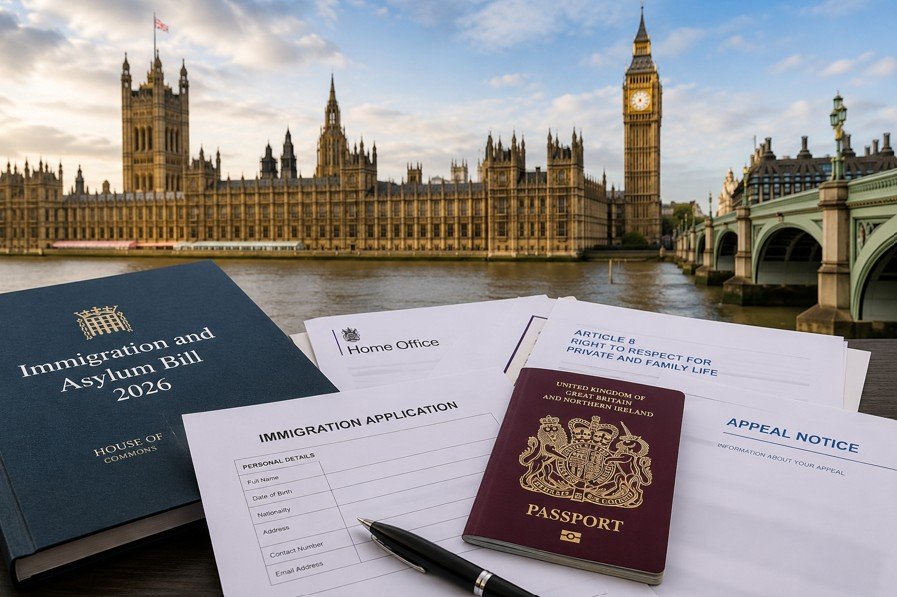
Immigration and Asylum Bill 2026: Amnesty International UK Raises Concerns Over Proposed Appeals Reforms
Published: 11 October 2026
Amnesty International UK has raised serious concerns about proposed changes to the UK’s immigration and asylum appeals system under the Immigration and Asylum Bill 2026. The organisation warns that the reforms could weaken the independence of immigration appeals, reduce professional oversight and leave people challenging Home Office decisions more vulnerable to errors.
The concerns are outlined in a recent briefing examining plans to replace the existing First-tier Tribunal (Immigration and Asylum Chamber) with a new body known as the Independent Immigration Appeals Authority (IIAA).
The proposed changes have prompted questions about how immigration appeals would be handled, who would make decisions and whether the new system would remain sufficiently independent of the government department responsible for immigration policy.
What Is the Immigration and Asylum Bill 2026 Proposing?
Under the proposals described in Amnesty International UK’s briefing, the new Independent Immigration Appeals Authority would replace the First-tier Tribunal (Immigration and Asylum Chamber) as the first-tier body responsible for hearing immigration and asylum appeals against Home Office decisions.
The proposed authority would also handle applications for immigration bail.
The reforms are intended to change how appeals are managed, with the wider policy objectives including reducing the backlog of cases and enabling the government to remove people from the UK more quickly.
However, Amnesty argues that the structure and oversight of the proposed authority raise important questions about whether those appealing immigration decisions would continue to receive sufficiently independent and professionally informed consideration.
Concerns Over the Independence of the New Appeals Body
One of Amnesty International UK’s central concerns is the proposed relationship between the Independent Immigration Appeals Authority and the Home Office.
According to the briefing, the new authority would operate within the wider immigration and asylum system overseen by the Home Office. The Home Secretary would also have a role in appointing senior officials, with an indirect influence over the appointment of adjudicators.
Amnesty argues that these arrangements could undermine confidence in the authority’s independence, particularly because the Home Office is itself responsible for making the decisions that many applicants would be challenging.
Under the existing system, the First-tier Tribunal (Immigration and Asylum Chamber) forms part of the independent tribunal system. Its judicial decision-makers operate separately from the Home Office and are not appointed, trained or directed by the Home Secretary in the manner described in the proposed arrangements.
For Amnesty, preserving that separation is essential to ensuring that immigration and asylum decisions can be challenged fairly.
Adjudicators Instead of Judges: What Could Change?
Another major issue highlighted in the briefing concerns the people who would decide immigration and asylum appeals.
Under the proposed arrangements, cases would be decided by adjudicators rather than judges. Amnesty says these adjudicators would not necessarily need formal legal qualifications or previous legal experience, although the new authority would provide training and legal assistance.
The organisation questions whether this approach would provide the necessary level of professional expertise, particularly in cases involving complicated immigration legislation, asylum claims and fundamental rights.
Immigration and asylum cases can involve difficult questions of law and fact, as well as sensitive evidence about persecution, family relationships and the risk of harm if someone is returned to another country.
Amnesty’s concern is that reducing the professional requirements for decision-makers could make it more difficult to ensure consistent, legally sound and impartial outcomes.
Concerns About Faster Removals and Appeal Backlogs
The briefing also questions the reasons being advanced for replacing the existing tribunal.
Reducing the backlog of immigration appeals and allowing the Home Office to remove people from the UK more quickly are among the policy objectives associated with the proposed reforms.
Amnesty argues that these objectives create a potential conflict of interest when considered alongside the proposed structure of the new authority.
The Home Office makes the decisions that individuals may challenge, while the proposed system would sit within the broader immigration framework overseen by the same department.
According to Amnesty, the independence of the appeals process is particularly important when the government has a strong policy interest in achieving particular immigration outcomes.
An effective appeals system must be capable of identifying and correcting errors, even when doing so delays or prevents a removal decision from being implemented.
Amnesty Warns of a Possible Reversal of Previous Reforms
Amnesty International UK also places the proposals in the context of earlier changes to the immigration appeals system, which it says have helped strengthen independence and professional standards.
The organisation argues that the proposed legislation risks reversing that progress.
In its briefing, Amnesty warns that the Bill would undo earlier efforts to improve independence and professionalism within the first tier of the appeals system, potentially going further than previous arrangements.
It also highlights the growing complexity of immigration law and the increasingly politically contested nature of immigration policy.
Amnesty’s position is that these developments make independent judicial oversight more important, not less.
If the law becomes more complicated while the professional independence of decision-makers is weakened, the organisation argues, the risks associated with errors and unfair decisions could increase.
Why the Proposed Changes Matter to Migrants and Asylum Seekers
Immigration appeals can have life-changing consequences for people living in the UK or seeking protection there.
A rejected application may affect someone’s right to remain in the country, their family life, their employment prospects or their ability to obtain protection from persecution.
For asylum seekers, an appeal may be a critical opportunity to challenge a decision that could expose them to serious harm if returned to their country of origin.
Independent oversight helps ensure that decisions are examined impartially and that mistakes can be corrected through a fair legal process.
Amnesty argues that people affected by immigration decisions are particularly vulnerable because they often have limited influence over the political decisions that shape the system governing their rights.
The organisation therefore considers an independent appeals body an important safeguard against administrative mistakes, unfair treatment and potential violations of fundamental rights.
Amnesty Opposes Replacing the Existing Tribunal
Amnesty International UK has stated that it does not support replacing the First-tier Tribunal (Immigration and Asylum Chamber) with the proposed Independent Immigration Appeals Authority or another organisation established by or operating within the Home Office.
Its position is that the appeals system must remain independent of the department whose decisions it reviews.
The organisation argues that efficiency measures should not come at the expense of professional standards, impartial decision-making or effective scrutiny of government decisions.
Although reducing delays in immigration appeals is an important objective, Amnesty’s concerns centre on whether the proposed structure would provide adequate protection for people whose immigration status and rights are at stake.
What Happens Next?
The implications of the Immigration and Asylum Bill 2026 will depend on the legislation’s progress and the final form of any measures that are enacted.
For migrants, asylum seekers, immigration advisers and legal professionals, the proposed changes are worth monitoring closely, particularly the provisions relating to appeals, adjudicator qualifications, appointments and the relationship between the new authority and the Home Office.
Anyone facing an immigration or asylum decision should continue to seek reliable, case-specific legal advice rather than assume that the proposed reforms have already taken effect.
For now, Amnesty International UK’s briefing presents a clear warning: changes intended to speed up immigration enforcement must also preserve the independence and professional standards needed to ensure that decisions affecting people’s lives are fair.
Disclaimer: This article summarises concerns attributed to Amnesty International UK’s briefing as described in the supplied material. The Bill’s current legislative status and the precise wording of its provisions should be checked against official parliamentary documents before relying on them.
Join Naija UK Connect
Stay updated with the latest UK visa sponsorship jobs, relocation opportunities, and career guides tailored for Nigerians through Naija UK Connect.
Join here: Naija UK Channel
Also, follow us on our social media channels for the latest updates and discussions:
Twitter: @NaijaUKConnect
Facebook: Naija UK Connect
Instagram: @naijaukconnect