
7 Money Habits Every Parent Should Teach Their Child Before They Start Earning
Money lessons should not begin when a child receives their first salary. Some of the most important financial habits can be developed much earlier through simple experiences at home.
Children often learn about money by watching their parents. How parents save, spend, plan purchases and make everyday financial decisions can shape the way children think about money as they grow.
Rather than waiting until adulthood to discuss finances, parents can introduce simple and age-appropriate money lessons from an early stage.
Here are seven valuable money habits every parent can teach their child before they start earning.
1. Teach Them That Love Does Not Have a Price Tag
It is natural for parents to show affection by buying gifts for their children. However, children should also understand that love and care are not measured by the amount of money spent on them.
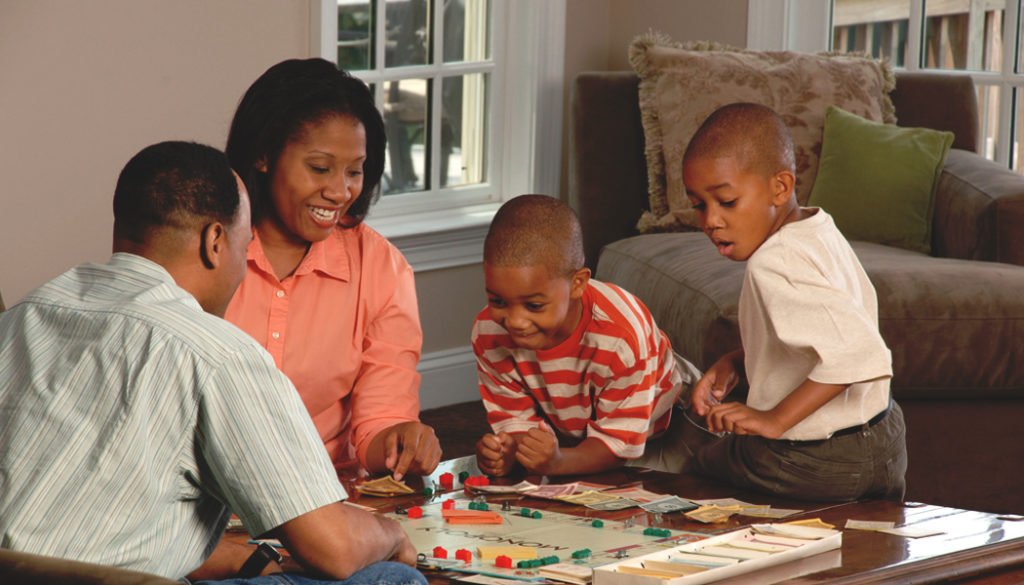
Sometimes, a simple activity can create a more meaningful memory than an expensive gift. Parents could prepare a meal together, play a game, visit a park or simply spend quality time as a family.
The lesson is that happiness, love and appreciation do not always require spending money.
Children who understand this early may be less likely to associate expensive possessions with love, success or self-worth.
2. Teach Priorities Instead of Simply Saying, “We Don’t Have Money”
When children ask for something that may not fit into the family budget, parents do not always have to respond by saying, “We don’t have money.”
Instead, the conversation can focus on priorities and choices.
For example, rather than spending money on an expensive outing, parents could suggest a free or less expensive alternative, such as visiting a park, going for a walk or exploring a local attraction.
This teaches children that having money is not the only factor involved in making decisions. They begin to understand that spending involves choosing what is important and deciding what provides the best value.
3. Let Children Experience How a Transaction Works
Money becomes much easier to understand when children get the opportunity to use it themselves.
Depending on their age and with appropriate supervision, parents can give children a small amount of money and allow them to participate in a simple shopping trip.
They can help choose products, compare prices, hand over the money and receive change.
These small experiences introduce important concepts such as prices, spending, budgeting, comparison and the basic idea that money is exchanged for goods or services.
4. Teach Them to Save Before They Buy
Children naturally want things immediately, but learning to wait and save can be one of the most valuable financial lessons they receive.
If a child wants an expensive toy, bicycle or another item, parents can turn it into a savings goal instead of buying it immediately.
For example, parents could encourage the child to save a portion of their pocket money regularly while contributing to the goal themselves.
This teaches patience, planning and delayed gratification.
More importantly, children begin to understand that wanting something does not always mean they need to have it immediately.
5. Help Them Understand That Shopping Is Not Happiness
Children can easily develop the habit of associating outings with spending. A trip to the shopping centre, restaurant or market may eventually become something they expect to involve buying something.
Parents can help change this mindset by creating enjoyable experiences that do not involve shopping.
A family could visit a park, museum, historical site or simply spend an afternoon together at home.
The message is simple: an enjoyable experience does not always require a purchase.
This is particularly important in a world where advertising and social media constantly encourage people to believe that buying something will make them happier.
6. Turn Special Occasions Into an Early Business Lesson
Festivals, holidays and other special occasions can provide children with a simple introduction to entrepreneurship.
Parents can encourage them to make greeting cards, decorations, artwork or other creative products. With appropriate guidance, older children could even try selling their creations to family members, friends or neighbours.
The goal is not necessarily to make a significant amount of money.
Instead, children can learn how an idea can become a product, how products can have value and why customers are willing to pay for certain things.
They can begin to understand basic concepts such as effort, pricing, customers, revenue, profit and responsibility.
Even a small childhood project can provide an early introduction to how business works.
7. Give Them Some Financial Independence and Let Them Make Small Mistakes
One of the most effective ways for children to learn about money is to make small, manageable mistakes.
If a child spends their pocket money too quickly, parents do not necessarily need to immediately replace it.
Allowing them to experience the consequences can create an opportunity to discuss what happened and what they could do differently next time.
Of course, the level of independence should be appropriate for the child’s age.
The goal is not to leave children to figure everything out alone. It is to gradually teach them responsibility, decision-making and the consequences of their financial choices.
Small mistakes during childhood can become valuable lessons that help prepare them for bigger financial decisions as adults.
The Most Important Money Lesson Starts at Home
Children often learn more from what their parents do than from what they are told.
When children regularly see their parents planning purchases, saving money, comparing prices and avoiding unnecessary spending, they begin to understand that money requires thoughtful decisions.
The most important financial lesson is not simply learning how to save or spend. It is understanding that money represents time, effort, choices and priorities.
Teaching children these principles early can give them a strong foundation for managing money responsibly when they eventually start earning their own income.
Final Thoughts
Financial education does not have to involve complicated lessons or formal classes. Everyday experiences can become powerful teaching opportunities.
From saving for a desired item to understanding that happiness does not always come from shopping, these simple habits can help children develop a healthier relationship with money.
The earlier children learn to make thoughtful financial decisions, the better prepared they may be to handle the responsibilities that come with earning and managing money as adults.
Join Naija UK Connect
Stay updated with the latest UK visa sponsorship jobs, relocation opportunities, and career guides tailored for Nigerians through Naija UK Connect.
Join here: Naija UK Channel
Also, follow us on our social media channels for the latest updates and discussions:
Twitter: @NaijaUKConnect
Facebook: Naija UK Connect
Instagram: @naijaukconnect