
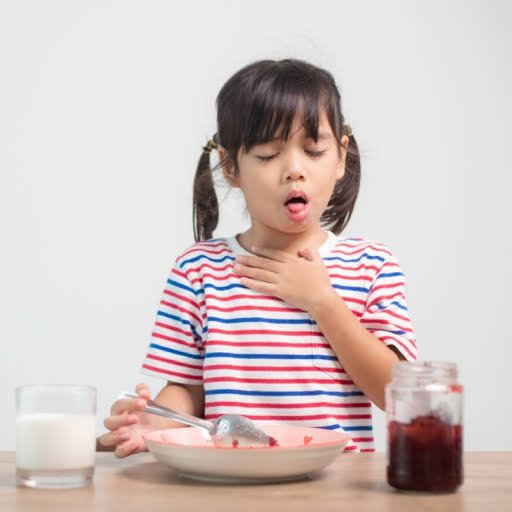
Foods That Are Choking Hazards for Children: Foods Parents Should Avoid
Choking is a serious risk for young children, particularly toddlers who are still developing their chewing and swallowing skills. Some everyday foods can become dangerous when they are served whole, in large pieces, or with a texture that is difficult for a child to manage.
Parents and caregivers can reduce the risk of food choking in children by knowing which foods are most likely to cause airway blockages and by preparing meals in a child-friendly way.
Why Are Young Children at Risk of Choking?
Young children are more vulnerable to choking because their chewing and swallowing abilities are still developing. They may also eat quickly, put too much food in their mouths, or become distracted while eating.
Choking occurs when food enters the airway instead of passing safely into the oesophagus. If the airway becomes blocked, a child may have difficulty breathing and can suffer serious injury if the blockage is not quickly removed.
Food can also enter the airway without causing an obvious choking episode. In some cases, an object can remain lodged in the airway and cause symptoms such as persistent coughing, wheezing, breathing difficulties or repeated respiratory problems.
Foods That Can Be Choking Hazards for Children
Some foods have a particularly high choking risk because they are hard, round, sticky, chewy, slippery or difficult to break down.
1. Whole Nuts and Peanuts
Whole nuts, including peanuts, almonds and cashews, can be difficult for young children to chew safely. They can also become lodged in the airway.
For younger children, avoid giving whole nuts and consider age-appropriate alternatives or preparations recommended by a healthcare professional.
2. Whole Grapes and Cherries
Grapes and cherries are small, round and slippery, which can make them a choking hazard when served whole.
Cut grapes lengthwise into smaller, manageable pieces and remove pits from cherries before serving them to young children.
3. Raw Carrots and Hard Vegetables
Raw carrots and other hard vegetables can be difficult for toddlers to bite and chew.
Cook vegetables until they are soft enough for the child to manage safely, or prepare them in an age-appropriate texture.
4. Raw Apples and Large Fruit Pieces
Large or hard pieces of apple and other firm fruits can become lodged in a child’s airway.
Cut fruit into suitable, manageable pieces and consider softer preparations for younger children.
5. Hard Sweets and Lozenges
Hard candies, boiled sweets and lozenges can completely block a child’s airway.
These foods should be avoided for young children because they are difficult to chew and can easily become lodged in the throat.
6. Popcorn
Popcorn can be particularly difficult for young children to eat safely. Unpopped or partially popped kernels can pose a choking risk.
7. Sticky and Chewy Foods
Some sticky foods can be difficult to swallow, especially when served in large amounts. Examples include:
- Thick spoonfuls of peanut butter
- Chewing gum
- Toffee
- Caramel sweets
- Other sticky sweets
If giving a sticky food, make sure it is prepared in a form that is appropriate for the child’s age and eating ability.
8. Sausages and Hot Dogs
Sausages and hot dogs can be slippery and have a shape that may increase choking risk, particularly when cut into round slices.
They should be prepared carefully and cut lengthwise and into small, manageable pieces rather than served as thick circular slices.
9. Cheese Cubes
Large cubes of cheese can be difficult for young children to chew and may become lodged in the airway.
Choose softer textures and cut cheese into small, age-appropriate pieces.
10. Cherry Tomatoes and Olives
Whole cherry tomatoes and olives are round and slippery, making them potential choking hazards.
Cut them into smaller pieces before giving them to young children and remove pits where necessary.
11. Large Pieces of Meat or Bread
Large chunks of meat, bread, roti and similar foods can be difficult for young children to chew and swallow.
Serve softer foods in small, manageable pieces and avoid giving children portions that are too large for them to handle safely.
12. Uncooked Peas and Corn Kernels
Hard, uncooked peas and corn kernels can also pose a choking risk. Cooking them until soft can make them easier for young children to manage.
How to Reduce the Risk of Food Choking
Parents can take several simple steps to make mealtimes safer.
Prepare Food in an Age-Appropriate Way
Food should be prepared according to the child’s age and chewing ability. Hard foods may need to be cooked, softened, mashed, grated or finely chopped.
Round foods such as grapes and cherry tomatoes should be cut into appropriate pieces rather than served whole.
Always Supervise Children While Eating
Young children should be supervised during meals and snacks. Avoid leaving them alone with food, particularly foods that are known choking hazards.
Encourage Children to Sit While Eating
Children should eat while sitting calmly rather than while running, walking, playing or lying down.
Encourage children to finish chewing and swallowing before talking, laughing or moving around.
Avoid Distractions During Mealtimes
Running, playing or talking while eating can increase the risk of food entering the airway. Creating a calm eating environment can help children concentrate on chewing and swallowing.
What Happens When Food Enters the Airway?
The body’s swallowing mechanism normally directs food into the oesophagus while protecting the airway. However, food can sometimes enter the trachea, also known as the windpipe.
A blockage can cause choking, coughing, wheezing or difficulty breathing. In some cases, a foreign object can become lodged deeper in the airway and may not immediately cause severe symptoms.
Parents should seek urgent medical attention if they suspect that a child has inhaled or swallowed an object that may be stuck in the airway, particularly if the child develops breathing difficulties, persistent coughing, wheezing or unusual respiratory symptoms.
Choking Prevention for Toddlers and Young Children
Knowing the most common choking hazards for children is an important part of keeping young children safe. Foods such as whole nuts, grapes, hard sweets, popcorn, raw vegetables, whole cherry tomatoes, sausages and large pieces of food should be prepared carefully or avoided when they are not suitable for the child’s age and eating abilities.
Parents and caregivers should also supervise children during meals, encourage them to sit while eating and make sure food is served in a safe, age-appropriate texture and size.
If you are concerned that a child is choking or has inhaled food, seek emergency medical help immediately. For specific advice about what foods are appropriate for your child’s age, speak with a paediatrician, health visitor or other qualified healthcare professional.
Join Naija UK Connect
Stay updated with the latest UK visa sponsorship jobs, relocation opportunities, and career guides tailored for Nigerians through Naija UK Connect.
Join here: Naija UK Channel
Also, follow us on our social media channels for the latest updates and discussions:
Twitter: @NaijaUKConnect
Facebook: Naija UK Connect
Instagram: @naijaukconnect