
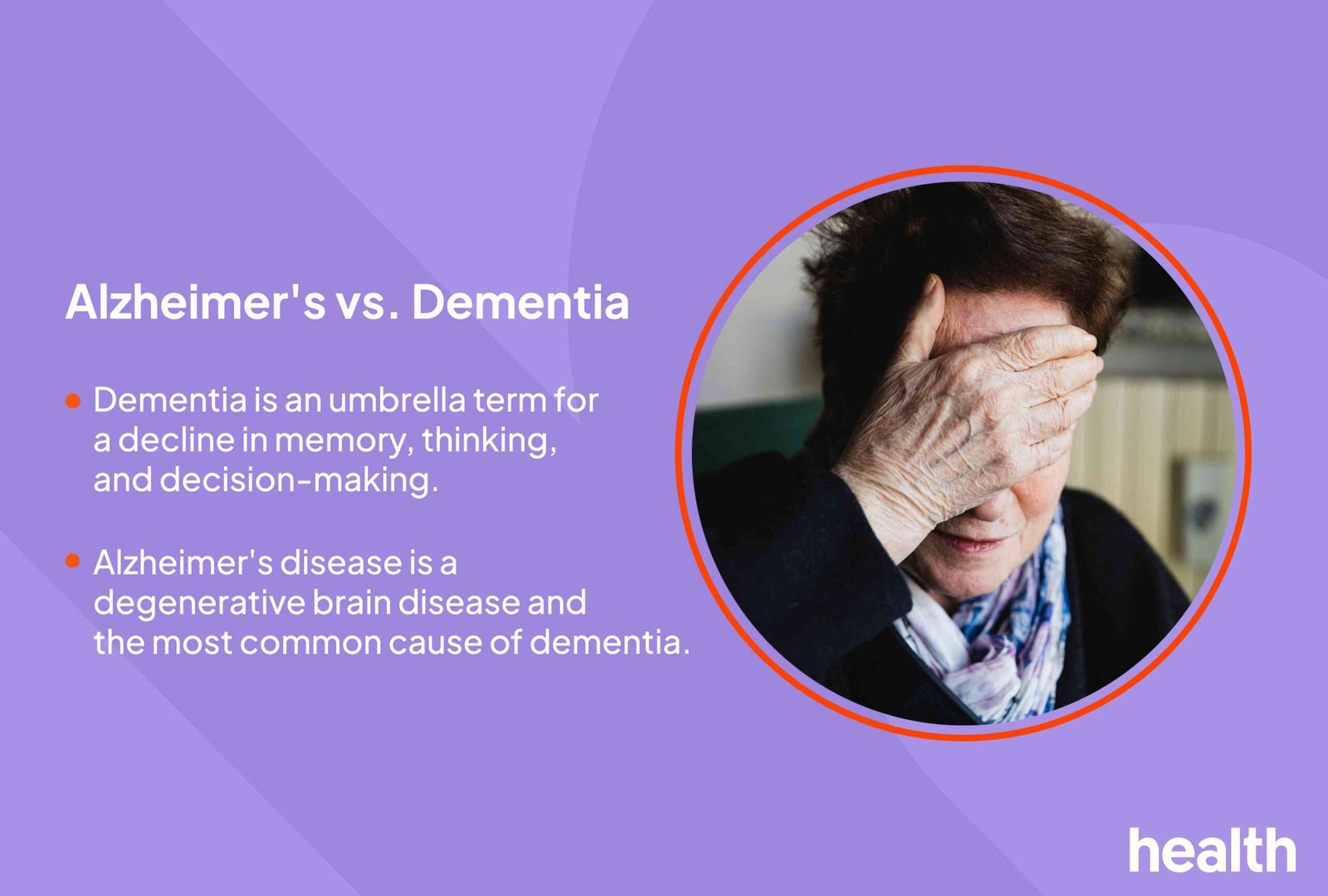
Alzheimer’s Disease Symptoms: Early, Middle and Later Signs
Alzheimer’s disease is a progressive condition that affects memory, thinking, behaviour and the ability to carry out everyday activities. The symptoms usually develop gradually over several years, although the rate of progression varies from person to person.
Some early signs of Alzheimer’s disease can be mistaken for normal ageing. However, persistent or worsening memory problems should not be ignored.
Other health problems can also cause dementia symptoms to suddenly become worse. These may include infections, stroke or delirium. Certain medicines can also contribute to a worsening of symptoms.
If someone with Alzheimer’s disease experiences a rapid or sudden deterioration in symptoms, they should be assessed by a doctor. In some cases, there may be an underlying cause that can be treated.
Stages of Alzheimer’s Disease
Alzheimer’s disease symptoms are generally described in three stages:
- Early-stage Alzheimer’s disease
- Middle-stage Alzheimer’s disease
- Later-stage or severe Alzheimer’s disease
The symptoms and their severity can vary considerably between individuals.
Early Symptoms of Alzheimer’s Disease
One of the most common early signs of Alzheimer’s disease is memory loss, particularly difficulty remembering recent information.
A person in the early stages may:
- Forget recent conversations or events
- Misplace belongings more frequently
- Forget the names of familiar places or objects
- Struggle to find the right words during conversations
- Ask the same questions repeatedly
- Have difficulty making decisions or using good judgement
- Become less willing to try unfamiliar activities
- Experience periods of confusion
- Become increasingly anxious, worried or agitated
These changes may initially appear minor, but they can gradually become more noticeable and begin to interfere with everyday life.
Middle-Stage Alzheimer’s Symptoms
As Alzheimer’s disease progresses, memory problems generally become more pronounced. A person may have difficulty remembering the names of people they know and may eventually struggle to recognise family members or friends.
Other middle-stage symptoms can include:
- Increased confusion and disorientation
- Getting lost in familiar places
- Wandering or becoming unsure about the time of day
- Repetitive, obsessive or impulsive behaviour
- Believing things that are not true or becoming suspicious of others
- Difficulty speaking or understanding language
- Changes in sleeping patterns
- Depression, anxiety, frustration or agitation
- Difficulty judging distances or performing spatial tasks
- Seeing or hearing things that are not actually there, known as hallucinations
At this stage, a person with Alzheimer’s disease will often require increasing support with everyday activities.
They may need assistance with tasks such as eating, washing, dressing and using the toilet.
Later-Stage Alzheimer’s Symptoms
In the later stages of Alzheimer’s disease, symptoms become more severe and the person may require substantial or full-time care.
Changes in behaviour can include:
- Aggression, such as shouting or hitting
- Restlessness or increased distress
- Calling out repeatedly
- Asking the same questions over and over
- Increased confusion or disorientation
Other symptoms may include:
- Difficulty eating or swallowing
- Problems moving around or changing position without assistance
- Significant or unexplained weight loss
- Loss of bladder or bowel control
- Increasing difficulty speaking
- Severe short-term and long-term memory problems
Hallucinations and delusions may also continue to occur and can become more difficult to manage as the disease progresses.
In severe Alzheimer’s disease, a person may need round-the-clock care and assistance with eating, mobility and personal care.
When Should You See a GP About Memory Problems?
If you are concerned about your own memory or think you may be experiencing signs of dementia, speak to a GP.
If you are worried about a family member or someone close to you, encourage them to make an appointment. You may also offer to accompany them.
Memory loss does not always mean Alzheimer’s disease. Memory and concentration problems can have other causes, including stress, depression, certain medicines and other health conditions.
A GP can perform initial assessments and may arrange further tests or refer the person to a specialist if necessary.
Getting medical advice early can help identify the cause of memory problems and ensure that appropriate support is provided.
Frequently Asked Questions About Alzheimer’s Disease Symptoms
What is the first common symptom of Alzheimer’s disease?
Persistent problems with recent memory are among the most common early symptoms. A person may repeatedly forget recent conversations, events or information.
What are the symptoms of moderate or middle-stage Alzheimer’s disease?
Middle-stage symptoms can include worsening memory loss, confusion, disorientation, difficulty recognising people, communication problems, changes in behaviour, sleep disturbances and increasing difficulty managing everyday activities.
What happens in the later stages of Alzheimer’s disease?
Later-stage Alzheimer’s can cause severe memory and communication problems, difficulty eating and swallowing, reduced mobility, incontinence and the need for extensive assistance with personal care and daily activities.
Can memory loss be caused by something other than Alzheimer’s disease?
Yes. Memory problems can have several possible causes, including stress, depression, medicines and other medical conditions. A healthcare professional can help determine the underlying cause.
Getting Help for Alzheimer’s Symptoms
If memory problems are becoming persistent, worsening or interfering with everyday life, speak to a GP or another qualified healthcare professional.
Early medical assessment can help determine whether the symptoms are related to Alzheimer’s disease, another form of dementia or a different condition that may be treatable.
Join Naija UK Connect
Stay updated with the latest UK visa sponsorship jobs, relocation opportunities, and career guides tailored for Nigerians through Naija UK Connect.
Join here: Naija UK Channel
Also, follow us on our social media channels for the latest updates and discussions:
Twitter: @NaijaUKConnect
Facebook: Naija UK Connect
Instagram: @naijaukconnect